

Why Go Low-Water? More Than Just Savings
The idea of a low-water garden, often called xeriscaping, is rapidly moving from a niche concept to a mainstream necessity. In many Indian cities, fluctuating water availability and rising utility costs make maintaining a thirsty lawn and water-intensive
plants a significant challenge. But the shift towards water-wise landscaping is driven by more than just conservation. A well-designed low-water garden requires less time and money to maintain once established. It means less weeding, less mowing, and a more resilient green space that can withstand harsh summer heat. Beyond the practical benefits, these gardens enhance biodiversity, improve soil health, and can even increase a home's value. They represent a move towards working with our climate, not against it, creating a landscape that is both responsible and beautiful.
The New Aesthetic: Rethinking Garden Beauty
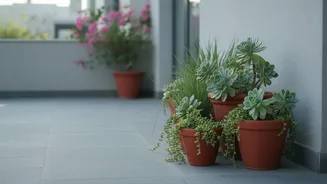
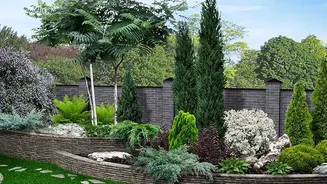
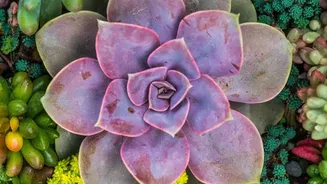
A common misconception is that a low-water garden is a barren 'zeroscape' of rocks and cactus. The reality is far more lush and creative. The modern water-wise aesthetic focuses on texture, structure, and year-round interest. It swaps delicate, thirsty flowers for sculptural agaves, feathery ornamental grasses, and succulents in a jewel-box of colours. One of the core principles of xeriscape design is 'hydrozoning'. This involves grouping plants together based on their water needs. An 'oasis zone' near your entryway might feature slightly more water-intensive plants where they have the most visual impact, while the outer 'xeric zones' would host the toughest, most drought-tolerant species. This planned approach ensures every drop of water is used effectively without sacrificing beauty.
Smart Plant Selection for Indian Climates
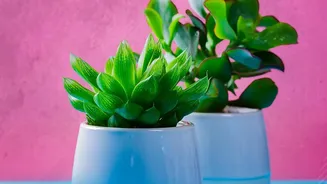
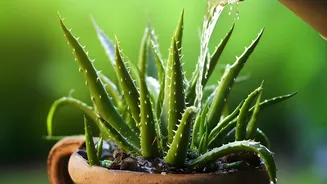
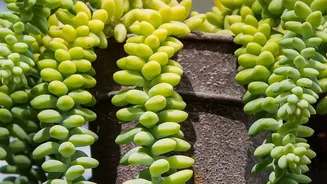
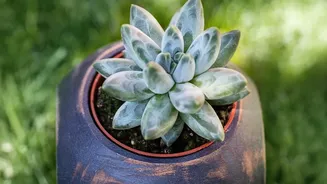
Choosing the right plants is the cornerstone of a successful low-water garden. The goal is to select species that are naturally adapted to thrive with minimal supplemental water once they are established. For Indian conditions, this opens up a world of vibrant and hardy options. Succulents like Aloe Vera and Agave are perfect for their architectural forms and ability to store water. Colourful shrubs like Bougainvillea and Lantana provide spectacular blooms even in peak summer with little care. Native trees and shrubs such as Neem, Peepal, and the Curry Leaf plant are inherently suited to local soil and weather patterns, making them incredibly low-maintenance choices. Other excellent options include flowering plants like Portulaca (Moss Rose) and fragrant herbs like Lavender and Holy Basil (Tulsi), all of which handle heat with grace. Always consult a local nursery to find the best drought-tolerant plants specifically for your region's climate.
Design Beyond Plants: Mulch and Hardscaping
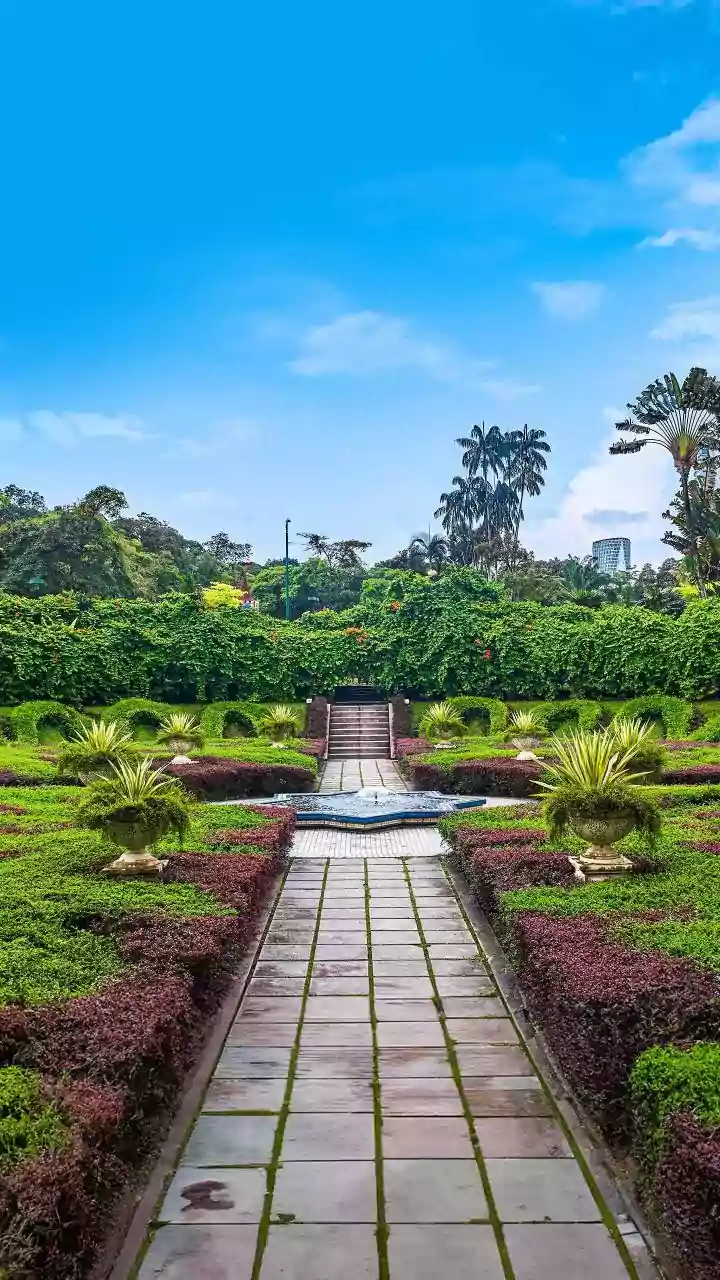
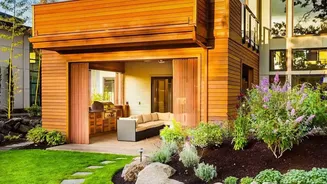
A truly water-wise garden thinks about the entire ecosystem, not just the plants. Two key elements are mulch and hardscaping. Applying a layer of organic mulch, like bark chips or wood shavings, over the soil is one of the most effective water-saving techniques. Mulch acts like a blanket, shading the soil from the sun, which significantly reduces water evaporation. It also suppresses weed growth, preventing other plants from competing for precious moisture. Hardscaping refers to the non-living elements of your garden design, such as stone pathways, gravel beds, patios, or retaining walls. Thoughtfully incorporating these elements reduces the overall area that needs to be watered, while adding structure, texture, and functional space for seating or entertainment. This balance between soft plantings and hard surfaces is the hallmark of sophisticated, modern garden design.
Watering Smarter, Not Harder
In a low-water garden, the way you water is just as important as how often you water. The guiding principle is to water deeply but infrequently. This encourages plants to develop deep, strong root systems that can seek out moisture far below the surface, making them more resilient during dry spells. The best time to water is early in the morning, when cooler temperatures and calmer winds mean less water is lost to evaporation. For maximum efficiency, consider installing a drip irrigation system. These systems deliver water slowly and directly to the base of each plant, right where it's needed at the root zone. This method eliminates wasteful runoff and can reduce water use by up to 70% compared to traditional sprinklers, while also helping to prevent fungal diseases caused by wet foliage.