









More Than Just a Free Meal
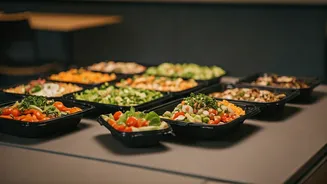
Forget the stereotypical soggy sandwiches or lukewarm buffets of the past. Today's 'smart' office lunch is a strategic tool designed to enhance the employee experience. Unlike traditional catering, these programs are intentional, often featuring rotating
menus from popular local restaurants, customizable options, and a strong emphasis on quality and variety. [1, 5] The goal is to move beyond mere convenience and offer food that reflects employee values, such as health, sustainability, and authenticity. [9] This means providing fresh, chef-crafted meals that accommodate a wide range of dietary preferences, including plant-based, gluten-free, and halal options, making every employee feel considered. [2] It’s a shift from a generic perk to a personalized experience.
The Tangible Business Benefits
While providing high-quality lunches comes at a cost, many companies see a significant return on investment. For one, it boosts productivity. Employees who eat well-balanced meals are less likely to suffer from the dreaded afternoon slump, leading to better focus and cognitive function. [5, 8] It also saves valuable time. When employees don't need to leave the office, they avoid traffic and long queues, which can add up to significant productivity gains. [3, 4] Furthermore, in an era of hybrid work, a great lunch program acts as a powerful incentive to bring people into the office, transforming it from a place of obligation into a desirable destination. [18] This helps foster the spontaneous collaboration and social connection that can be lost in a remote setup.
Winning Over Younger Generations
For Millennial and Gen Z employees, a job is more than just a paycheque; it's about aligning with a company's culture and values. Smart lunch programs speak directly to this mindset. A study showed that 63% of Gen Z employees see catering as an important reason to come to the office. [13] This generation prioritizes health and wellness, and a company that provides nutritious food demonstrates a genuine commitment to their well-being. [11, 14] They also value diversity, new experiences, and supporting local businesses. [5] Offering a rotating menu of global cuisines from independent restaurants hits all the right notes. [1] It shows that the company is modern, culturally aware, and invested in the community—factors that are highly attractive to younger talent pools. [17]
Food as a Culture and Community Connector
Perhaps the most significant benefit of a shared meal is its power to build community. In a busy workplace, lunch can be a rare opportunity for unstructured social interaction. Gathering around a table encourages employees from different departments to connect in a relaxed, informal setting. [7, 8] Research from Cornell University even found that teams who eat together exhibit higher levels of collaborative behavior. [3] These shared moments strengthen relationships, break down hierarchies, and foster a more cohesive and positive company culture. [15] When employees feel a genuine sense of belonging and appreciation, job satisfaction and loyalty naturally increase. [20]
The Evolution of Corporate Dining
The rise of smart lunches also reflects a decline in the traditional corporate cafeteria, which is often seen as inflexible and lacking in quality. [4] Many companies are now partnering with tech platforms that streamline the entire process, from ordering and customization to delivery and budget management. [6] These platforms provide access to thousands of local restaurants, ensuring variety and reducing administrative burdens. [6] While a 2026 tax change in the US will eliminate the tax deductibility for routine employee meals, the focus is shifting towards event-driven food offerings, like all-hands lunches, which remain deductible and serve a clear purpose in team-building and engagement. [10] This suggests the trend is moving toward more intentional, high-impact culinary events rather than just daily sustenance.