






Understanding Hydration and Electrolytes
Before comparing drinks, it's important to understand what your body needs. Hydration isn't just about drinking water; it's about maintaining a balance of fluids and essential minerals called electrolytes. These minerals, including sodium, potassium,
calcium, and magnesium, carry electrical charges that power your muscles, regulate nerve function, and maintain fluid balance inside and outside your cells. When you sweat during exercise or on a hot day, you lose both water and these vital electrolytes. Simply drinking plain water might quench your thirst, but it doesn't always replace the minerals needed for optimal recovery and function.
The Profile of a Commercial Sports Drink
Commercial sports drinks are scientifically formulated to help with hydration during intense physical activity. Their main components are water, carbohydrates (often in the form of sugar like high-fructose corn syrup), and a specific blend of electrolytes, primarily sodium. The sugar is there to provide a quick source of energy, while sodium helps your body retain water and replenish what's lost through sweat. However, the downsides are significant. Many popular sports drinks contain high amounts of added sugar—sometimes more than 30-40 grams in a single bottle—as well as artificial colours and flavours. For the average person engaging in light to moderate exercise, this sugar load can be unnecessary and counterproductive.
Nature's Answer: Coconut Water
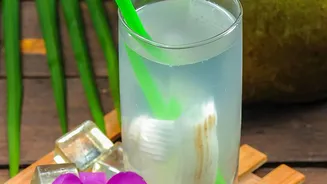
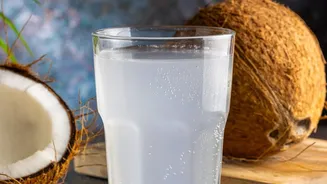
Often called "nature's sports drink," unsweetened coconut water is the clear liquid found inside young, green coconuts. It is naturally low in calories and sugar compared to most commercial sports drinks. Its main claim to fame is its incredibly high potassium content. A single cup can contain more potassium than a banana. Potassium is a crucial electrolyte that works with sodium to balance fluids and is essential for muscle function. Coconut water also contains other helpful minerals like magnesium and calcium, making it a well-rounded natural hydrator.
The Missing Piece: Why Salt Is Crucial
While coconut water is a potassium powerhouse, it is naturally low in sodium. Sodium is the primary electrolyte you lose when you sweat heavily. Replenishing sodium is critical for preventing dehydration and potential muscle cramps. This is where the headline's simple hack comes in. Adding a small pinch of rock salt (like Himalayan or sea salt) to your coconut water transforms it into a more complete electrolyte beverage. This addition boosts the sodium content, creating a drink that more closely matches the mineral composition of your sweat.
The Winning Combination: Natural vs. Formulated
When you combine coconut water with a pinch of rock salt, you create a beverage that offers the best of both worlds. You get the high potassium, magnesium, and natural (not added) sugars from the coconut water, plus the essential sodium from the salt. This DIY drink effectively replenishes the key electrolytes lost during moderate workouts without the high sugar content and artificial additives found in many commercial products. Studies show that for rehydration after light to moderate exercise, coconut water performs similarly to sports drinks. By adding salt, you enhance its effectiveness, particularly for activities where you sweat more.
The Verdict for Everyday Hydration
For elite athletes in endurance events, a precisely formulated sports drink might still have its place. But for most people—whether you're at the gym, going for a run, or just trying to stay hydrated on a warm day—the natural solution often wins. Coconut water with rock salt is lower in calories, contains far less sugar (and no refined sugars), and is free from the artificial dyes and flavourings that are common in bottled sports drinks. It provides a clean, effective way to rehydrate and replenish your body with the nutrients it actually needs.