







The Old Playbook Is Fading
For generations of Indians, the path to success was clearly mapped: excel in school, secure a spot in a reputable college, and earn a degree. This piece of paper was more than a qualification; it was a symbol of security, social mobility, and professional
promise. Companies, in turn, used degrees from top-tier institutions as a reliable filter for talent. This system worked in an economy where the pace of change was slower, and a university curriculum could stay relevant for years. But in today's digital-first world, that long-standing pact between education and employment is showing cracks. The traditional model of mass-hiring fresh graduates and training them on the job is becoming unsustainable for many firms.
Why Skills Suddenly Matter More
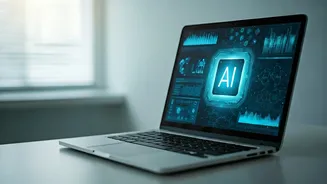
The shift towards skills-based hiring is not a fleeting trend but a fundamental response to a rapidly changing economy. The primary driver is technology. Fields like Artificial Intelligence (AI), data analytics, and cloud computing are evolving so quickly that academic programmes struggle to keep up. This creates a significant gap between the theoretical knowledge students gain in college and the practical, job-ready skills employers need. As a result, companies are looking for candidates who can contribute from day one with minimal training. Reports from NASSCOM and the World Economic Forum highlight that employers now prioritise demonstrable abilities, with many large companies in India actively dropping degree requirements for certain roles in favour of skill assessments, coding challenges, and project portfolios.
Tech and Startups Lead the Change
The technology sector and India's booming startup ecosystem have been at the forefront of this change. Companies like Google, IBM, and TCS are increasingly vocal about hiring for capability, not just credentials. In the fast-paced startup world, resource constraints and the need for agility mean that a candidate's ability to solve problems and adapt is far more valuable than their academic pedigree. This approach is spreading to other industries, including fintech, digital marketing, and even manufacturing, where digital literacy and specialised technical skills are in high demand. The message is clear: while a degree might get your CV shortlisted, it is your portfolio of practical skills that will secure you the job.
What This Means for Job Seekers
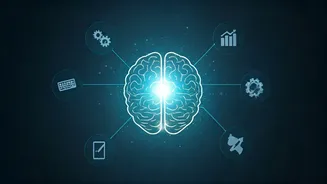
This new reality requires a mindset shift from students and professionals alike. The idea of education as a one-time event is obsolete; lifelong learning is the new imperative. For students, this means supplementing their formal education with internships, real-world projects, and specialised certifications that prove their abilities. For working professionals, continuous upskilling is essential to stay relevant. Rather than relying on a job title, the focus should be on building a portable toolkit of skills. The rise of AI also means that uniquely human skills—such as critical thinking, creativity, communication, and leadership—are becoming more valuable than ever, as they are the capabilities technology cannot replicate.
The Evolving Role of the Degree
This is not to say that a university degree has become worthless. Instead, its role is evolving. A degree can provide essential foundational knowledge, credibility, and a structured environment for learning. It signals discipline and the ability to grasp complex subjects. However, it is no longer sufficient on its own. The most successful professionals in the coming years will be those who combine the foundational knowledge from their education with a constantly updated set of practical, in-demand skills. The degree is the starting point, not the finish line. True career resilience comes from pairing that academic base with a proactive plan for continuous skill development.