








The Art of the Journey
Slow travel is more than just a relaxed pace; it's a mindset. It prioritises connection, cultural immersion, and sustainability over simply ticking off a list of destinations. Instead of rushing between sights, the focus shifts to the journey itself,
allowing for a deeper appreciation of the landscapes and communities along the way. Reports show this trend is gaining significant momentum in India, especially among younger demographics who are increasingly seeking authentic experiences rather than curated photo opportunities. For them, travel is becoming an act of self-expression, a way to connect with themselves and the world on a more meaningful level.
Why Gen Z is Getting Onboard
Born into a hyper-digital world, Gen Z's attraction to the analogue charm of train travel might seem surprising. Yet, it aligns perfectly with their values. Many are seeking a digital detox, a chance to disconnect from screens and reconnect with the physical world. The rhythmic motion of a train journey provides a meditative backdrop, reducing the stress often associated with modern travel. Furthermore, this generation is highly conscious of its environmental impact, and rail travel offers a more sustainable alternative to flights. It also satisfies their craving for authenticity; instead of seeing a filtered version online, they get to experience the unfiltered reality of a place, from sharing a carriage with locals to watching the landscape slowly transform.
Central India's Hidden Gem
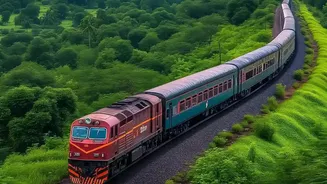
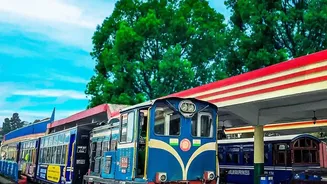
While the mountain railways of the Himalayas often steal the spotlight, Central India boasts its own remarkable heritage journey that perfectly captures the spirit of slow travel: the Patalpani-Kalakund Heritage Train. Situated in Madhya Pradesh near Indore, this metre-gauge line, a remnant of the 19th-century Holkar State Railway, was preserved specifically for tourism. The train travels at an average speed of just 6-10 km/h, ensuring passengers have ample time to soak in the stunning scenery of the Vindhya range, especially during the monsoon when the landscape is lush and waterfalls cascade near the tracks.
A Journey Through Tunnels and Valleys
The Patalpani-Kalakund route is an engineering marvel, navigating steep gradients, sharp curves, numerous bridges, and tunnels as it winds through deep gorges and forests. The journey offers an immersive experience, connecting passengers to both nature and history. The train itself becomes the destination. Stations like Patalpani, near a famous waterfall, and Kalakund, a quiet village known for its local sweets, become points of discovery rather than mere stops. By making this historic and scenic route accessible, Indian Railways has turned an old track into a major draw for ecotourism, attracting families, nature lovers, and a new generation of slow travellers.
The Future of Mindful Travel
The embrace of heritage rail routes by Gen Z signifies a broader shift in travel priorities. It reflects a departure from the 'fear of missing out' towards the 'joy of missing out'—missing the stress, the crowds, and the superficiality. This trend is about finding value in the small moments: a conversation in the dining car, the taste of local food at a station, or simply watching the world go by from a window seat. As more young Indians prioritise personal fulfilment and authentic connection, the gentle, rhythmic chug of a heritage train offers a compelling alternative to the frantic pace of modern life, proving that sometimes the slowest way forward is the most rewarding.