
Sattu: The Humble Powerhouse
Often called the 'poor man's protein', sattu is a flour made from roasted Bengal gram and is a nutritional superstar that deserves more credit. Traditionally consumed in states like Bihar and Uttar Pradesh as a cooling sharbat, this ingredient is packed
with protein, fibre, and essential minerals like iron and magnesium. A 100-gram serving can contain around 20 grams of protein. While the classic sattu drink is perfect for summer hydration, modern uses include adding it to rotis, parathas, or even energy balls, making it a versatile and affordable way to boost your daily protein intake.
Pulses and Lentils: The Daily Dal
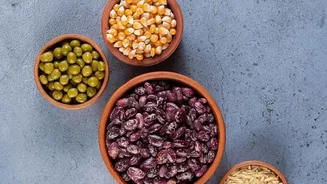
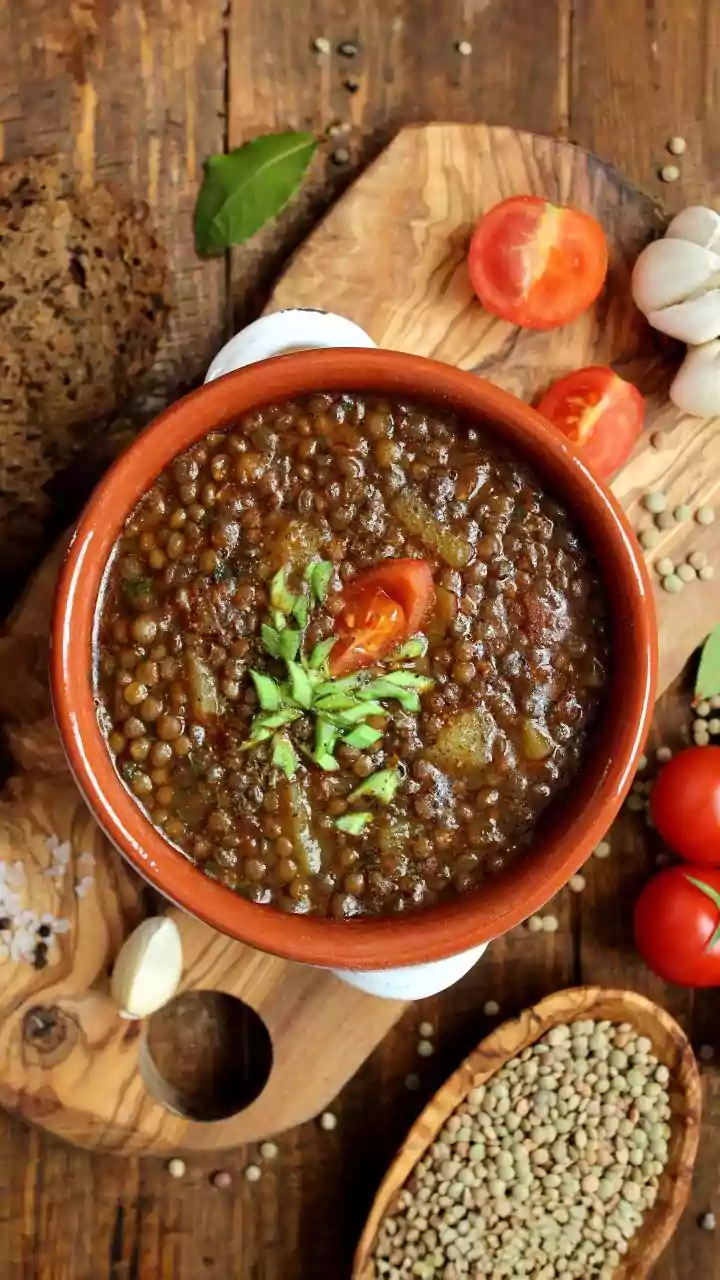
No Indian meal feels complete without a bowl of dal, and for good reason. Lentils (like masoor, moong, and toor) and legumes (like rajma and chana) are the backbone of vegetarian protein in India. A single cup of cooked dal can provide a significant portion of your daily protein needs. For instance, cooked masoor dal offers about 9 grams of protein per 100g, while urad dal is one of the highest in protein density. The traditional combination of dal with rice or roti is a brilliant example of food science, as pairing legumes with grains creates a complete amino acid profile, similar to animal protein.
Chickpeas (Chana): The Versatile Legume
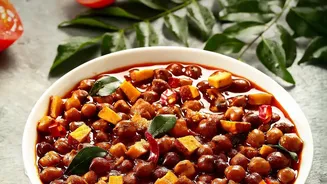
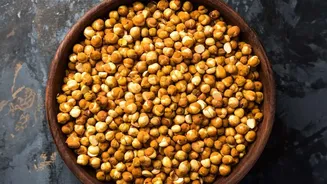
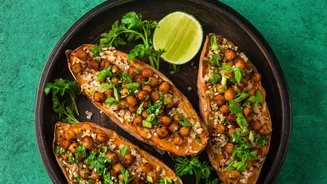
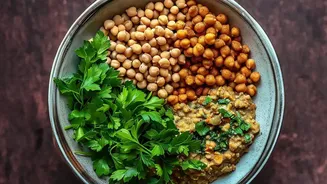
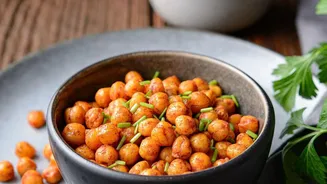
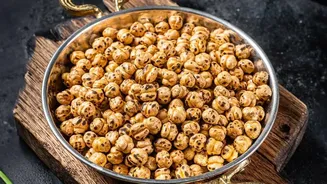
Whether it's the star of the robust 'chole bhature' or the base for a simple sundal, the chickpea is a protein-packed and versatile ingredient. A 100-gram serving of cooked chickpeas provides around 15 grams of protein, making it a filling and nutritious choice. Beyond classic curries, chickpeas are fantastic in salads, roasted as a crunchy snack, or mashed into hummus-style dips. Sprouting chickpeas before cooking can also improve their digestibility and nutrient absorption, making them even more beneficial.
Soy Products: A Modern Mainstay
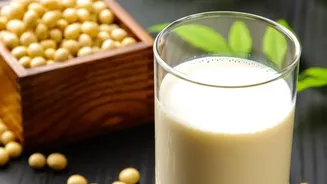
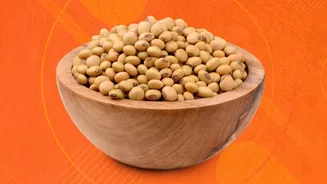
While tofu might seem like a recent import, soy products have seamlessly integrated into modern Indian cooking. Soy chunks, often used as a meat substitute in curries and pulao, are a protein heavyweight, with some varieties containing over 50 grams of protein per 100 grams (dry). Tofu, made from soybeans, offers about 15 grams of protein per 100 grams and serves as a lower-fat alternative to paneer in dishes like bhurji or stir-fries. As a complete plant protein containing all essential amino acids, soy is an excellent and efficient option.
Seeds and Nuts: The Crunchy Boost
Often relegated to a simple garnish, seeds and nuts are quiet contributors to the protein content of many Indian dishes. Pumpkin seeds, for example, pack about 9 grams of protein in a 30-gram serving, while peanuts offer around 7 grams. Sesame seeds, crucial in dishes like 'til ke laddu', are another excellent source. Incorporating a handful of nuts as a snack or adding a spoonful of mixed seeds to your breakfast poha or upma is an easy way to add extra protein, healthy fats, and a satisfying crunch to your meals.
The Modern Bowl: Grains and Beans Reimagined
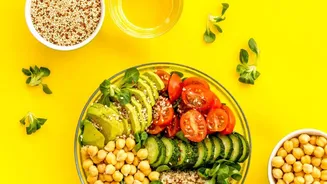
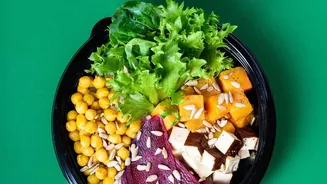
The global trend of 'Buddha bowls' or grain bowls has found a natural home in Indian cuisine. These one-bowl meals combine a base of whole grains like quinoa or brown rice with roasted vegetables and a protein source like chickpeas, kidney beans, or spiced tofu. A well-constructed Indian-inspired bean bowl can be a complete meal, offering a balanced mix of complex carbohydrates, fibre, and high-quality plant protein. This modern format is not only convenient but also a delicious way to mix and match traditional ingredients for a wholesome and satisfying dish.