




A Spiritual Spectacle in the Himalayas
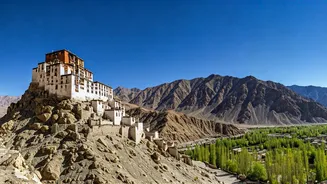
Every year, in the fifth month of the Tibetan lunar calendar (typically June or July), the courtyard of the Hemis Monastery, Ladakh's largest and wealthiest, transforms into a mystical stage. Pilgrims, locals, and travellers from around the world gather
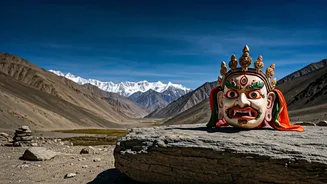
to witness the Hemis Tsechu, a two-day festival dedicated to Guru Padmasambhava. Set against a backdrop of barren mountains and piercing blue skies, the festival is a profound immersion into the living traditions of Tibetan Buddhism. The air hums with the deep, resonant tones of long horns (dungchen), the clash of cymbals, and the steady beat of drums, creating an otherworldly atmosphere that feels suspended in time.
Honouring a Great Master
At its heart, the Hemis festival celebrates the birth anniversary of Guru Padmasambhava, also revered as Guru Rinpoche. He was an 8th-century Buddhist master from India who is credited with firmly establishing Tantric Buddhism in Tibet and the Himalayan region. Legend holds that his mission was to vanquish the demons and negative forces that were obstructing the spread of dharma (the cosmic law and order). The festival, therefore, is not merely a birthday celebration but a powerful reaffirmation of his victory of good over evil. The entire event is a tribute to his life and teachings, which form the bedrock of the Nyingma school of Tibetan Buddhism, of which Hemis Monastery is a key centre.
The Soul of the Festival: The 'Cham' Dances
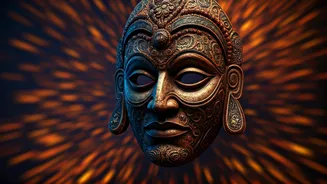
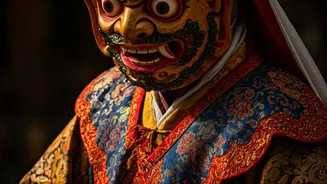
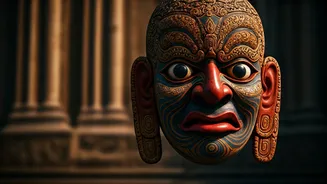
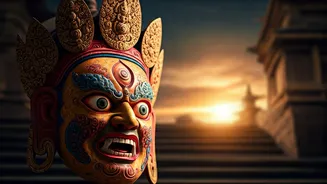
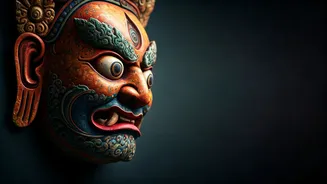
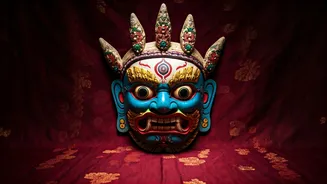
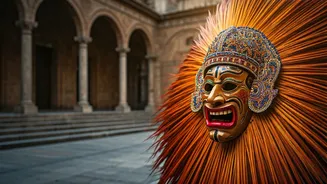
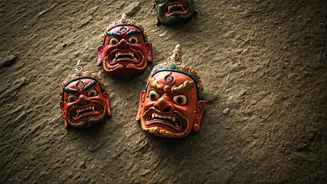
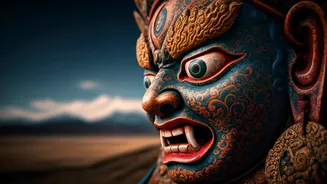
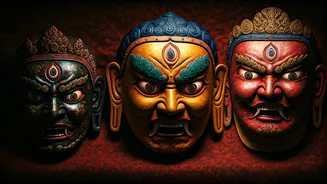
The main attraction and spiritual core of the festival are the 'Cham' dances. These are not performances in the theatrical sense but are deeply meditative and sacred rituals performed by trained monks. Donning elaborate silk costumes and larger-than-life, often fearsome masks, the monks transform into representations of various deities, demons, and historical figures from Buddhist lore. Each mask is a work of art, meticulously crafted to embody the spirit of the character it represents—from wrathful protectors who destroy obstacles to the ego, to compassionate deities and comical skeleton figures who remind viewers of the impermanence of life.
Symbolism in Every Movement
Every slow, deliberate step, every turn, and every gesture in the Cham dance is rich with symbolic meaning. The dances re-enact the magical feats of Guru Padmasambhava and depict the eternal struggle between benevolent gods and malevolent demons. One of the central narratives portrayed is the subjugation of the 'dark forces' to clear the path for compassion and enlightenment. The slow, hypnotic rhythm of the dance is designed to be a form of active meditation for both the performer and the observer. Watching the Cham is considered a form of blessing, capable of purifying the mind, warding off evil spirits, and sowing the seeds for good karma and spiritual merit.
A Vibrant Cultural Gathering
While the masked dances are the spiritual centrepiece, the Hemis festival is also a vibrant social and cultural event for the people of Ladakh. It is a time for families to gather, dressed in their finest traditional attire. A lively fair, or 'mela', springs up around the monastery, where vendors sell local handicrafts, jewellery, and traditional foods. For the isolated communities of Ladakh, it is a rare and cherished opportunity for communal celebration. The culmination of the festival involves the unfurling of a giant thangka, a sacred silk appliqué scroll depicting Guru Padmasambhava, which is displayed once every 12 years, drawing immense crowds for a glimpse of the sacred relic.