





1. Finger Millet (Ragi)
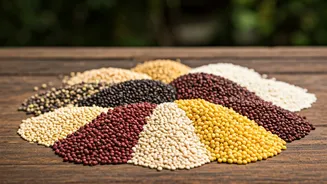
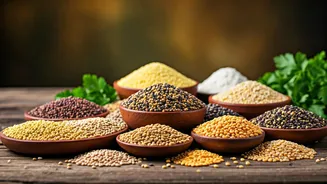
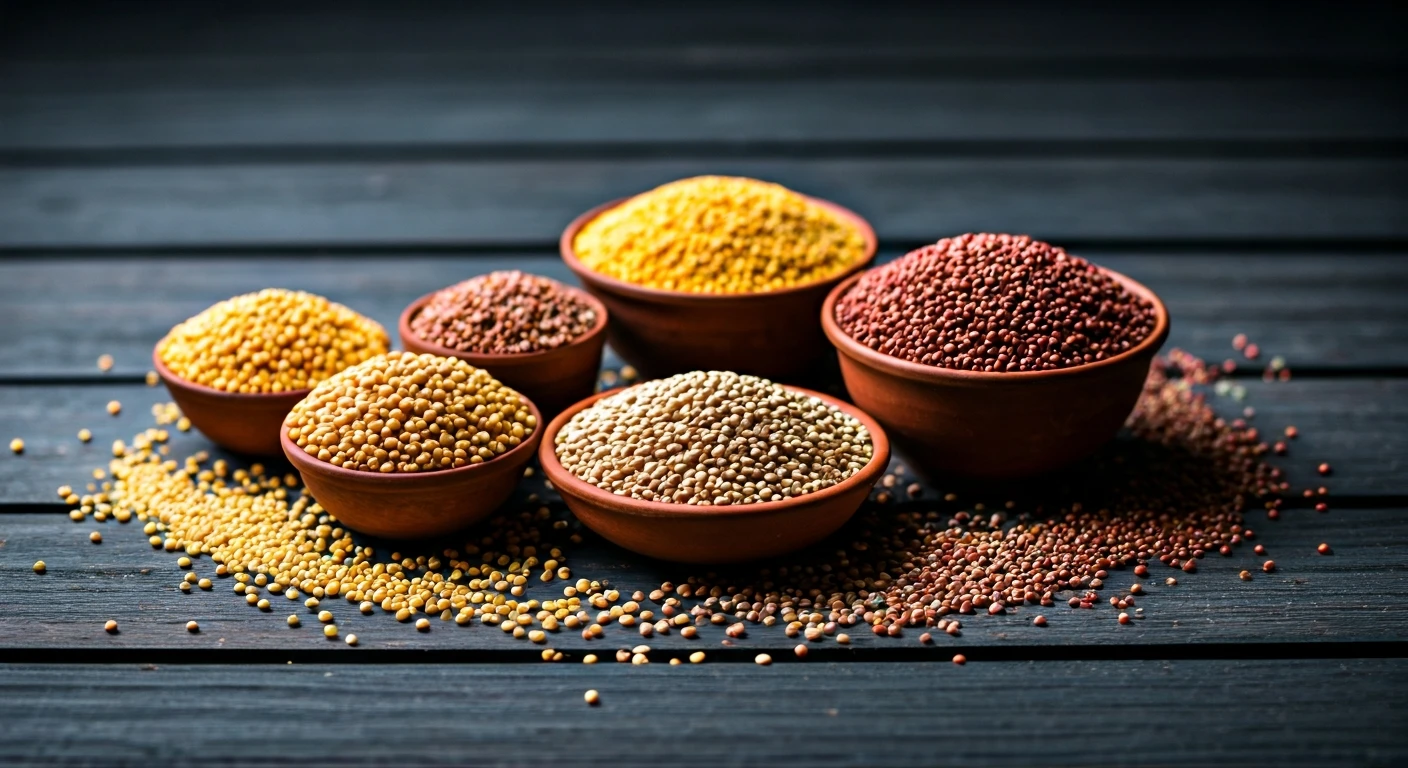
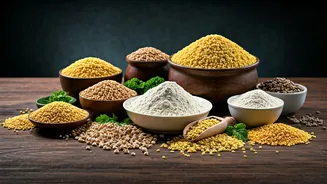
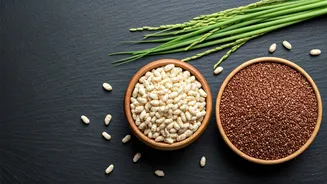
The headline star, ragi, is a nutritional powerhouse perfect for the rainy season. It is rich in calcium, iron, and fibre, which aids digestion and prevents constipation—common issues when our metabolism slows down during this season. Ragi's high antioxidant
content also helps bolster the immune system to fight off seasonal infections. While often used as a flour or in powders to make porridge or rotis, whole ragi seeds can be cooked similarly to rice. They offer a nutty flavour and a wealth of health benefits, including strengthening bones and helping to prevent anaemia.
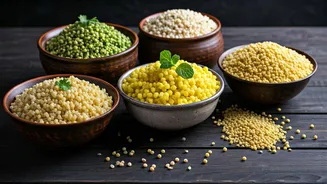
2. Foxtail Millet (Kangni/Thinai)
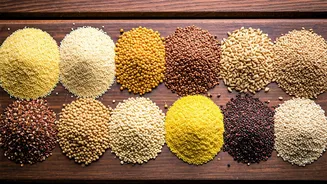
Another excellent rice substitute is foxtail millet. It’s light on the stomach and easy to digest, making it ideal for the sluggish digestive system common in monsoons. Rich in protein, dietary fibre, and essential minerals like iron and magnesium, it provides sustained energy without the heaviness of white rice. Its low glycemic index helps in managing blood sugar levels. Furthermore, its high fibre content acts as a prebiotic, feeding good gut bacteria and promoting a healthy gut microbiome, which is crucial for strong immunity.
3. Barley (Jau)
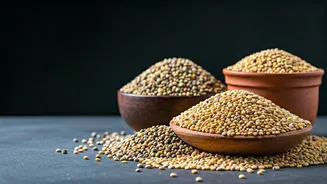
Barley is a fantastic, hearty grain that’s packed with soluble fibre, particularly beta-glucan, which is known for reducing cholesterol and improving blood sugar control. It has a low glycemic index and is higher in fibre than white rice, which helps you feel full for longer, aiding in weight management. During monsoons, when the body can be prone to water retention, barley's diuretic properties can be beneficial. You can cook barley grains just like rice for a chewy, satisfying alternative in khichdi, soups, or as a simple side dish.
4. Quinoa
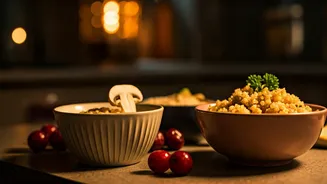
Though not native to India, quinoa has become a popular health food for good reason. It is one of the few plant foods that is a complete protein, containing all nine essential amino acids. This makes it an incredibly nutritious swap for rice, especially for vegetarians. Quinoa is also gluten-free and boasts a high content of fibre, magnesium, iron, and various antioxidants. Its versatility means it can be used in everything from pulaos to salads, offering a fluffy texture and a mild, nutty taste that pairs well with Indian curries and vegetables.
5. Cauliflower Rice
For the most inventive and low-carb swap, look no further than cauliflower rice. Made by grating or processing cauliflower florets into rice-sized bits, this alternative is extremely low in calories and carbohydrates compared to traditional rice. It’s a great way to increase your vegetable intake and is packed with nutrients like Vitamin C and fibre. Being light and easy to digest, it's perfect for a monsoon diet, helping you avoid the bloating and lethargy that can come with heavier meals. It's a quick-cooking option that works wonderfully in stir-fries and as a base for your favourite gravies.