







The Architect of Scale Steps Back
Santosh Janardhan is one of the key figures who built the engine room of Meta. Since joining in 2009, when the company was still just Facebook, he has been instrumental in developing the vast global network of software, hardware, and data centres that
support services used by billions. As Head of Infrastructure and co-head of engineering, his domain included everything from the servers running Instagram and WhatsApp to the custom silicon and developer tools that underpin the company’s operations. Earlier this year, CEO Mark Zuckerberg also tasked him with co-leading Meta Compute, a new initiative to manage the enormous computing power needed for its artificial intelligence ambitions. His planned departure in early 2027 marks the end of an era for one of Meta’s most influential, though less public-facing, leaders. In an internal memo, Janardhan said it was the right time to 'pass the baton', though no specific reason for his departure was given.
A Carefully Planned Handover
Unlike abrupt executive exits that can rattle a company, Janardhan’s departure is structured as a long and orderly transition. He will remain in his role through the first quarter of 2027 to ensure a smooth handover before moving into an advisory position for the Meta Compute initiative. This long runway signals a focus on continuity during a critical period. His successor is Dave Brown, who joined Meta as Vice President of Infrastructure earlier in 2026. Brown is an industry veteran, having spent nearly two decades at Amazon Web Services (AWS), where he worked extensively on cloud computing, infrastructure, and AI technologies. In his memo, Janardhan praised Brown, stating he has the 'instincts, depth and judgment this moment requires', suggesting confidence in the new leadership. Zuckerberg also thanked Janardhan, noting that he has 'built a strong team that can carry this work forward'.
The AI Infrastructure Arms Race
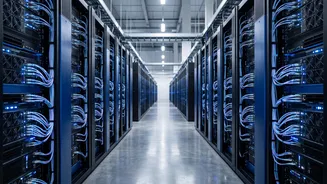
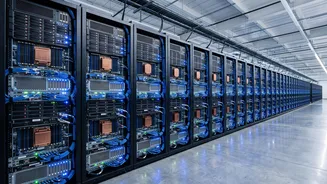
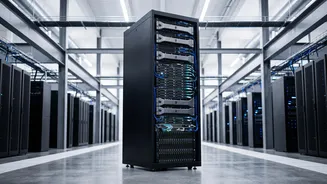
This leadership transition is happening as Meta undertakes one of the most aggressive capital expenditure programs in corporate history, driven almost entirely by the race for AI dominance. The company’s planned spending for 2026 is estimated to be between $130 billion and $145 billion, with the vast majority earmarked for data centres and AI hardware. This includes building colossal new data centre campuses, like the 5GW 'Hyperion' facility in Louisiana, which is projected to cost over $50 billion. Meta is also pursuing a hybrid 'build-and-buy' strategy, signing massive deals with external providers like CoreWeave for cloud capacity to de-risk its AI roadmap and accelerate timelines. This immense build-out is foundational to training and deploying more advanced AI models, which Meta sees as central to its future across its family of apps and for developing new products.
Why This Change Matters Now
Janardhan’s departure is significant precisely because of this context. He was the leader who scaled Meta for the social media era; his successor, with deep experience in AI and cloud workloads from AWS, is positioned to lead the next phase. The transition underscores how the technical challenges and leadership requirements at major tech companies are being reshaped by AI. Running infrastructure is no longer just about maintaining uptime for social apps; it’s about managing multi-billion-dollar budgets to secure a foothold in the next generation of computing. Brown’s primary task will be to execute this hugely expensive vision efficiently, turning massive investment into functional AI capacity while navigating complex supply chains and power procurement challenges. The success of Meta's multi-billion dollar AI bet rests heavily on the stability and execution of the infrastructure team he will now lead.