

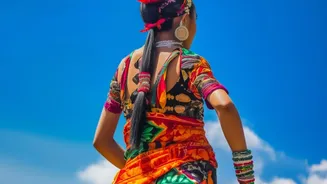
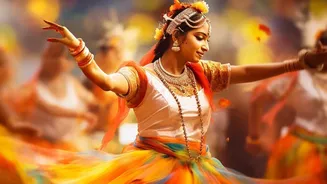
Every December, the hills of Nagaland come alive with a stunning display of culture, music, and tradition. The Hornbill Festival is back for its 27th edition, once again promising to be one of India's most vibrant and unforgettable travel experiences.
The 'Festival of Festivals'
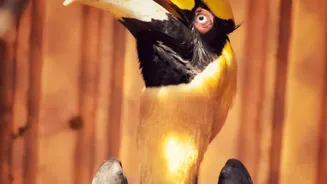
Often called the 'Festival of Festivals', the Hornbill Festival is a grand celebration that unites all of the indigenous tribal communities of Nagaland. Conceptualised in 2000 by the state government, the event aims to preserve Nagaland's rich cultural heritage and foster inter-tribal unity. For ten days, from December 1 to 10, the Naga Heritage Village of Kisama, located about 12 kilometres from Kohima, transforms into a microcosm of Naga life. The festival is named after the revered hornbill bird, a creature central to the folklore and traditions of most Naga tribes, symbolising grandeur and respect.
A Spectacle of Sound and Colour
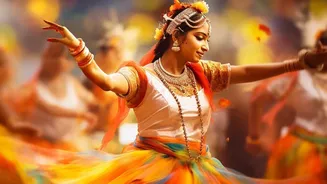
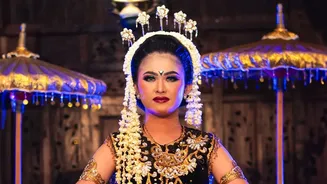
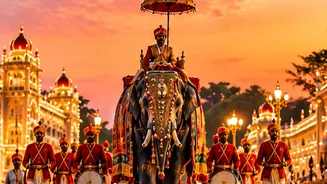
The heart of the festival beats in the main arena, a natural amphitheatre where visitors can witness an extraordinary showcase of cultural performances. Each day, different tribes, dressed in their spectacular ceremonial attire, take the stage to perform ancient war dances, folk songs, and traditional rituals. The air fills with the sound of log drums and soulful melodies as performers share ancestral stories through their art. Beyond the main stage, the festival grounds are home to 17 Morungs, or traditional Naga bachelor dormitories. Each Morung represents a different tribe, offering a unique opportunity to interact with community elders, witness craft demonstrations like weaving, and understand the Naga way of life up close.
A Feast for the Senses
No trip to the Hornbill Festival is complete without indulging in the local cuisine. The food stalls are a major attraction, offering a diverse array of Naga delicacies. Visitors can sample dishes like smoked pork with bamboo shoot, flavourful fermented soybean (axone), and dishes featuring the famously spicy Naga King Chilli. Paired with sticky rice and the local rice beer known as 'zutho', it is a true culinary adventure. The craft bazaar is another highlight, where artisans sell beautiful handwoven shawls, intricate beadwork, wood carvings, and black pottery, providing a perfect opportunity to take a piece of Naga heritage home while supporting local craftsmen.
Modern Beats and Indigenous Games
While tradition is at its core, the Hornbill Festival also embraces contemporary culture. The evenings often shift from the heritage village to Kohima, where a bustling Night Bazaar offers more food and music. One of the festival's most popular modern attractions is the Hornbill International Rock Contest, one of the oldest and largest band competitions in the country, drawing rock acts and music lovers from across India. Back at Kisama, visitors can watch or even participate in a variety of indigenous games and sports, including traditional Naga wrestling (Aki Kiti), archery, and the much-anticipated, fiery King Chilli eating competition.
Planning Your 2026 Visit
The 27th Hornbill Festival is scheduled to run from December 1 to December 10, 2026. The main events take place daily at the Naga Heritage Village, Kisama, typically from 9 AM to 5 PM. Due to the festival's immense popularity, it is crucial to book accommodation and transport well in advance. Options range from hotels in Kohima to homestays and tented camps closer to the festival grounds. Visitors from outside Nagaland must obtain the necessary permits. Indian tourists require an Inner Line Permit (ILP), while foreign nationals need a Protected Area Permit (PAP), both of which can be processed online. Always check the latest permit regulations before travelling, as rules can change.