

Meet the Seed of Many Names
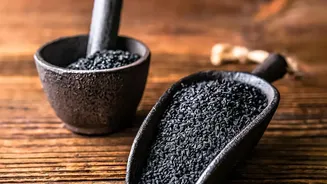
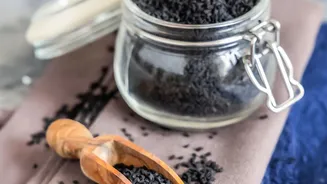
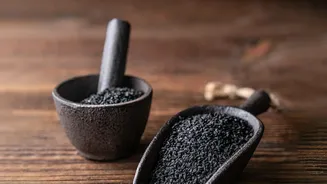
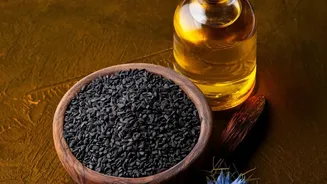
Before we get to baking, let’s get acquainted. Nigella seeds come from the Nigella sativa plant, native to South and Southwest Asia. While they look a bit like black sesame seeds, they are entirely different. Nigella seeds are matte and more triangular,
whereas sesame seeds are flatter and glossier. In India, they are famously known as 'kalonji' and are a staple in many kitchens, particularly in spice blends like the Bengali panch phoron. You might also hear them called black caraway or black onion seed, though they have no relation to onions. Their flavour is where they truly stand out: a complex, pungent mix of onion, black pepper, and oregano with a slightly bitter, peppery edge.
The Secret to the Lasting Crunch
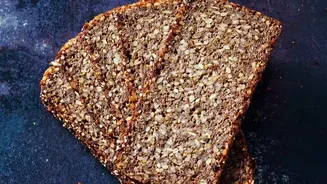
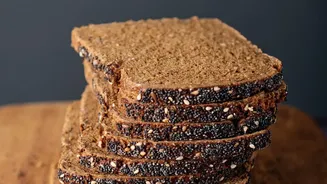
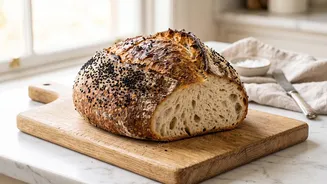
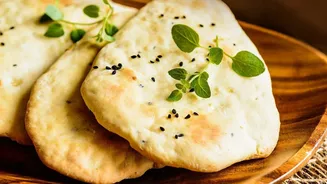
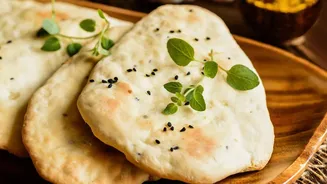
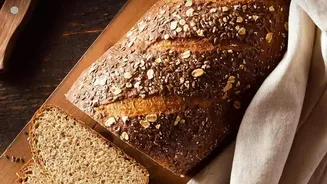
The headline makes a bold claim, and it’s entirely true. When other seeds soften and disappear into the crumb of a loaf, whole nigella seeds retain a distinct, satisfying crunch. This is thanks to their hard, durable outer shell and low moisture content. They don't absorb water from the dough in the same way softer seeds do. Whether kneaded into a sourdough, sprinkled on a soft naan, or baked into a rustic loaf, that textural pop remains. This provides a wonderful contrast, especially in softer breads, where the crisp bite offers a delightful surprise. Because the seeds are almost always used whole, you get these tiny bursts of texture and flavour in every slice.
Flavour That Blooms With Heat
Baking doesn't just preserve the texture of nigella seeds; it enhances their flavour. The raw seeds have a sharp, slightly harsh taste, but heat transforms them. As the bread bakes, the seeds toast, mellowing their bitterness and bringing out warmer, nuttier, and almost smoky notes. This aromatic quality fills your kitchen with an incredible scent. For an even deeper flavour, you can lightly toast the seeds in a dry pan for a minute or two before using them. This step isn't always necessary, especially if you're using them as a topping, as the oven's heat will do the work for you.
How to Use Nigella Seeds in Your Bread
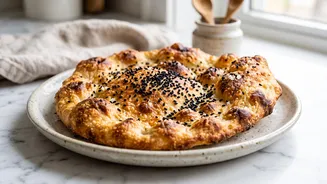
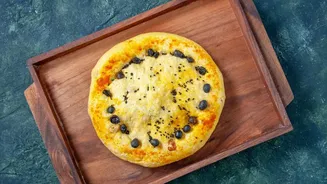
Incorporating kalonji into your baking is simple. You have two main options: mix them into the dough or use them as a topping. For a flavour that permeates the entire loaf, add about one to two teaspoons of whole seeds to your flour mixture when preparing the dough for recipes like sourdough or savoury buns. Be mindful that their flavour is strong, so a little goes a long way. For a more pronounced crunch and visual appeal, use them as a topping. Simply brush your shaped dough with a little water or an egg wash, then sprinkle the seeds over the top before baking. This method is classic for flatbreads like naan, Turkish pide, and parathas.
Perfect Pairings and Inspiration
Nigella seeds are incredibly versatile. Their savoury, onion-like profile pairs beautifully with other ingredients. In bread, they are fantastic with garlic, cheese, and herbs like rosemary or thyme. They elevate simple quick breads, add a professional touch to homemade bagels and dinner rolls, and are essential for an authentic naan experience. You can even add them to the crust of your homemade pizza for an extra layer of flavour. Don't be afraid to mix them with other seeds, such as sesame and poppy seeds, for a flavourful and texturally diverse crust on your loaves and rolls.