






An Engineering Marvel Through Paradise
Stretching over 740 kilometres from Maharashtra to Karnataka, the Konkan Railway is a testament to human ingenuity harmonising with nature. Before its inauguration in 1998, the rugged terrain of the Western Ghats made a direct coastal connection seem
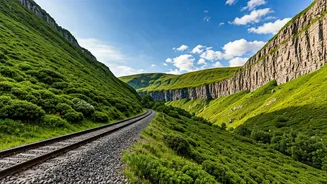
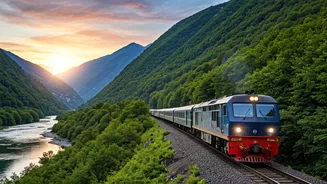
impossible. Today, the line is a celebrated feat of engineering, boasting over 2,000 bridges and 91 tunnels that slice through mountains and soar over valleys. This masterpiece of construction allows travellers to access some of India's most breathtaking and previously hidden landscapes. As the train journeys south from Mumbai, it leaves the city's chaos behind, trading it for the serene beauty of the Sahyadri mountains, dense forests, and sparkling rivers.
The Spectacle of the Monsoons
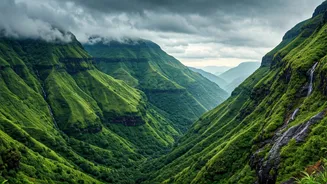
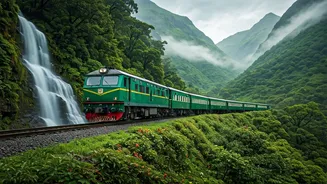
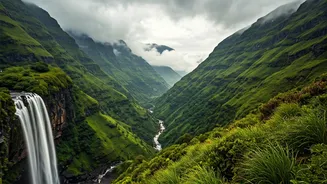
While the journey is stunning year-round, it takes on a truly magical quality during the monsoon months from June to September. The rains transform the landscape into a vibrant, lush paradise. The parched earth gives way to emerald-green paddy fields, and the hillsides come alive with countless temporary waterfalls cascading down their slopes. From the train window, you can witness the majestic Dudhsagar Falls, which becomes a particularly spectacular sight during this season. The air is fresh, the scenery is dramatic, and the experience of sipping a hot cup of tea while watching the rain-drenched world go by is a memory cherished by all who experience it.
A Tapestry of Landscapes
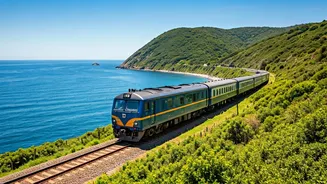
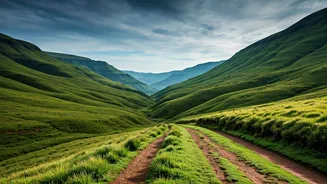
What makes the Konkan route so captivating for a nature enthusiast is its sheer diversity. The journey is a constantly evolving panorama of India's western coastline. The train winds through dense tropical forests, hugs coastal cliffs with stunning vistas of the Arabian Sea, and crosses wide estuaries where rivers meet the ocean. You’ll pass by quaint villages nestled amongst palm-fringed backwaters, offering glimpses into the unhurried coastal life. The route covers the lush landscapes of Maharashtra, Goa, and Karnataka, each with its distinct charm, from the mango orchards of Ratnagiri to the beaches of Goa and the verdant countryside of Udupi.
Iconic Sights Along the Way
Beyond the general beauty, several specific landmarks make this journey unforgettable. One of the most awe-inspiring moments is crossing the Panval Nadi viaduct near Ratnagiri. Standing at a height of 64 metres, it is one of Asia's tallest railway bridges, and looking down from the train feels almost like flying over the valley. The route is also famous for its tunnels, particularly the 6.5 km long Karbude Tunnel, which plunges the train into darkness before revealing the sunlit landscape on the other side. Each bridge and tunnel is not just a part of the infrastructure but a viewpoint, offering a new and dramatic perspective of the Konkan's beauty.
A Haven for Flora and Fauna
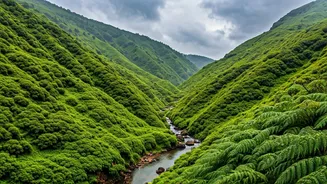
This corridor is a living, breathing ecosystem. The Konkan Railway Corporation has actively engaged in afforestation along the route, planting over a lakh saplings of various fruit, flowering, and medicinal trees. These efforts have helped maintain the green cover and support local biodiversity. Near Karmali in Goa, the railway's proximity to Carambolim Lake has led to initiatives to plant trees and create mounds to attract migratory birds, further enhancing the area for nature lovers. The journey offers a chance to see a wide variety of plant life, from teak and mango trees to bamboo groves and vibrant wildflowers, making it a moving botanical garden.