





Securing the View with Screens
For a cat, a window or balcony is a portal to an exciting world of birds, sounds, and movements. However, in high-rise apartments common in Indian cities, an unsecured opening is a serious hazard. Cats are agile, but a sudden lunge after a bird can lead
to a tragic fall. The solution is not to block the view, but to secure it. Pet-safe netting is a must for any accessible balcony or window. Look for durable, UV-resistant nylon or polypropylene mesh that a cat cannot easily chew through or get entangled in. Professional installation is recommended to ensure there are no gaps or weak points. These nets are often transparent or black, preserving your view while creating a safe 'catio' where your pet can enjoy fresh air and stimulation without risk. Remember to move furniture away from railings to prevent your cat from using it as a launchpad.
The Critical Role of Hydration
Cats have a naturally low thirst drive, a holdover from their desert ancestors who derived most of their moisture from prey. In a modern apartment, this can lead to chronic dehydration, putting them at risk for urinary tract and kidney issues. A simple bowl of still water may not be enticing enough. Moving water, however, often triggers a cat's instinct to drink. This is where a pet water fountain becomes invaluable. The flowing water is more attractive, and the filtration systems in most fountains keep the water tasting fresh and clean. Place the fountain away from their food and litter box, as cats instinctively avoid water sources that could be contaminated. Keeping your cat well-hydrated is one of the most effective and proactive steps you can take for their long-term health.
Litter Box Logic
A clean and correctly placed litter box is the cornerstone of a harmonious human-cat household. Litter box problems are a common source of stress, but they can often be solved by understanding a cat's perspective. First, choose a quiet, low-traffic area where your cat feels safe and has some privacy. Avoid placing it next to noisy appliances or right beside their food and water bowls. The general rule is to have one litter box per cat, plus one extra. This prevents territorial disputes in multi-cat homes. The box itself should be large enough for your cat to turn around in comfortably. Most importantly, cleanliness is non-negotiable. Scoop the box at least once a day and do a full change of litter regularly. An unclean litter box is one of the main reasons a cat will choose to go elsewhere.
The Necessity of Retreats
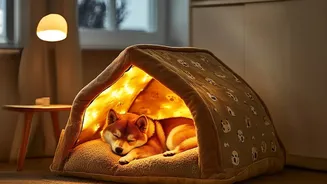
Hiding is a normal and essential feline behaviour. Cats are both predators and prey, and their instincts drive them to seek out secure, enclosed spaces where they can rest without being vulnerable. A cat without a safe place to retreat can become chronically stressed. Providing these retreats is a fundamental part of cat enrichment. These don't have to be fancy. A simple cardboard box, a closet with the door slightly ajar, or a space under a bed can serve as a perfect hideaway. Cat trees with enclosed cubbies or wall-mounted shelves offer vertical retreats, which cats love because it gives them a secure vantage point to survey their territory. Ensuring your cat has multiple hiding spots throughout the home allows them to decompress and manage stress, leading to a more confident and relaxed companion.