
Why The Change?
The Indian diet has long been rich in plant-based proteins, but the reliance on a few key sources like paneer, dal, chana, and rajma is being challenged by a wave of new health and culinary consciousness. Several factors are driving this shift. A growing
awareness around balanced nutrition has people seeking a wider variety of amino acid profiles, which comes from eating diverse foods. The rise of veganism and lactose intolerance has also created a demand for dairy-free protein options. Furthermore, as global food trends become more accessible, sheer culinary curiosity is inspiring home cooks and chefs to experiment with new ingredients and textures. It’s less about replacing tradition and more about expanding the definition of a wholesome Indian meal.
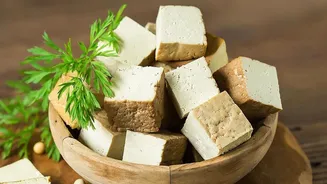
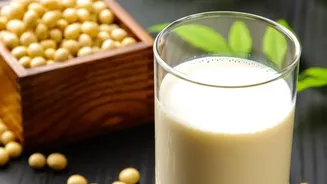
The Soy Revolution: Tofu, Tempeh, and Soya Chunks
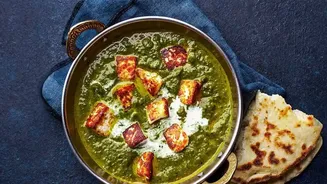
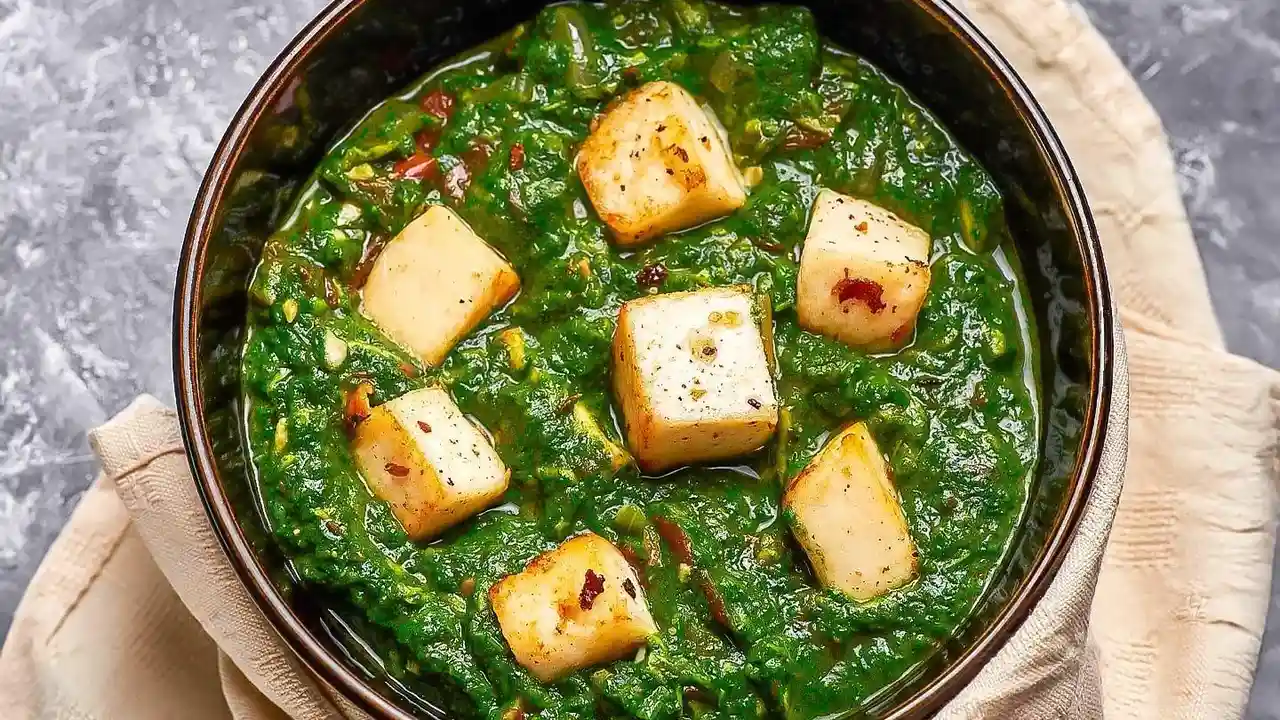
Soy-based products are at the forefront of this protein diversification. Tofu, once seen as a niche health food, is now a common substitute for paneer. Its ability to absorb spices makes it a natural fit for Indian cooking, appearing in dishes like Tofu Bhurji and Palak Tofu. Soya chunks, or Nutri, have been a quiet staple for years but are now being celebrated for their high protein content (around 52g per 100g) and meaty texture, making them perfect for curries and pilaus. Tempeh, a fermented soybean cake from Indonesia, is also gaining traction. When cubed and fried, it develops a firm, nutty texture that works beautifully in dishes like Tempeh Tikka Masala or spicy stir-fries, offering a satisfying alternative to both paneer and meat.
The Return of Ancient Grains and Millets
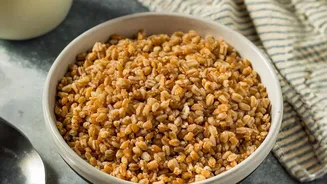
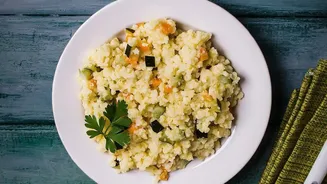
Millets like ragi, jowar, and bajra, once considered humble, are experiencing a major comeback. Pushed by government initiatives and a growing appreciation for their nutritional might—they are rich in protein, fibre, and minerals—these grains are moving from the fringe to the mainstream. They are no longer just for rotis; millets are being used to create everything from protein-rich khichdi and upma to salads. Quinoa has also found a firm place in the urban Indian diet, often used in curries and salads for a protein boost. These grains offer a way to increase the protein content of a meal without relying solely on a single curry or side dish.
Legumes and Seeds Get a Makeover
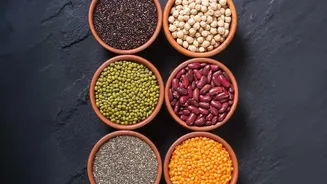
While dal is a constant, other legumes are being used in more innovative ways. Beyond the classic chole and rajma, we see mixed-bean curries, sprouted moth bean (matki) usal, and black-eyed pea curries gaining popularity for their flavour and impressive protein counts. Seeds, too, are playing a bigger role. Hemp, chia, and flaxseeds are now common additions to smoothies, rotis, and even breakfast bowls. Peanuts and sesame seeds are being used more prominently in curries, not just as a garnish or part of a tempering, but as a core ingredient that provides richness, flavour, and a surprising amount of protein.
A More Diverse and Resilient Plate
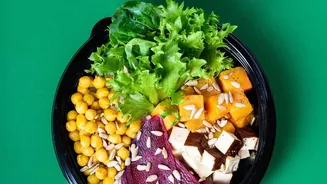
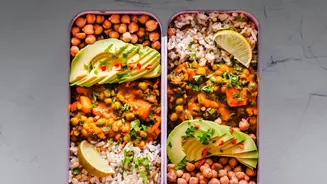
This culinary expansion is more than just a passing trend; it signifies a move towards a more resilient and nutritionally robust way of eating. By incorporating a wider variety of plant-based proteins, the everyday Indian meal becomes more balanced and exciting. It addresses the needs of a new generation of health-conscious consumers, vegans, and those with dietary restrictions, all while building upon the foundational flavours of Indian cuisine. It proves that the vegetarian plate can be incredibly dynamic, offering a vast spectrum of textures and nutrients well beyond the familiar comfort of paneer and dal.