






A Global Stage for Ancient Arts
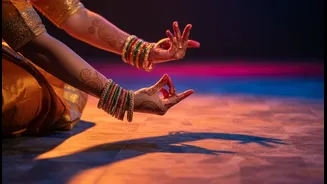
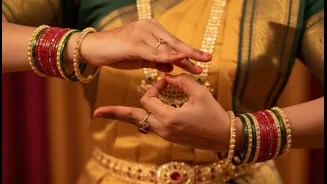
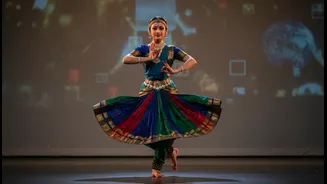
For decades, the story of Indian classical dance abroad was one of preservation. First-generation immigrants established small schools to keep their culture alive. Today, that narrative is shifting to dynamic evolution. Across the world, forms like Bharatanatyam
and Kathak are being reimagined on professional stages, attracting diverse audiences. They are captivated by the intricate footwork, expressive storytelling, and profound spiritual roots of these ancient arts. The conversation is no longer just about saving a tradition, but about its exciting future in a globalised world.
The Festival as a Cultural Hub
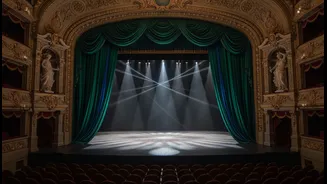
A major catalyst for this boom is the rise of professionally organised diaspora festivals. These events offer a scale and visibility that community showcases cannot match. Festivals like New York's 'All-Indian Dance Festival' at Carnegie Hall provide a concentrated burst of classical arts, drawing performers from India and the diaspora. They act as cultural magnets, attracting not only devotees but also the curious through an accessible format. For artists, these festivals offer a prestigious stage and a chance to collaborate, while audiences get an entry point into a complex art world.
A New Generation of Torchbearers
The energy of this movement comes from a new generation of performers. Born and raised outside India, these young dancers are fluent in their dance form yet are products of their multicultural environments. This duality infuses their art with a fresh perspective. They use social media to build followings, collaborate with artists from other genres, and tackle contemporary themes—from identity to mental health—through the vocabulary of classical dance. They see no contradiction in performing a traditional piece one day and choreographing a contemporary work the next. These artists are not just inheritors of a tradition; they are its active co-creators.
Innovation Meets Tradition
This new wave of creativity inevitably sparks debate. While some purists worry about diluting classical forms, many artists see evolution as a sign of a living tradition. The fusion is often subtle, involving innovative lighting, stage design, and new musical arrangements to enhance the original form’s power. Dancers are exploring narratives that resonate with their lived experiences, such as immigration or the search for identity, proving the timeless storytelling power of abhinaya (expression). This creative tension between classicism and contemporary relevance is what makes the scene so compelling.
Overcoming Modern Challenges
Despite the successes, the path is not without its obstacles. Maintaining high training standards outside India is a significant challenge. Access to qualified gurus, musicians who understand the repertoire, and even appropriate performance spaces can be limited and expensive. There is also pressure to make the art form commercially viable in markets that may not fully understand its cultural significance. Performers often have to become educators and advocates, balancing the need to earn a living with the immense dedication that classical dance demands.