



Why Less Is Now More
For years, the global beauty narrative was dominated by more: more layers, more coverage, more drama. But a significant shift, often called 'skinimalism', is taking hold in India. This trend prioritises healthy skin over hiding it, focusing on enhancing
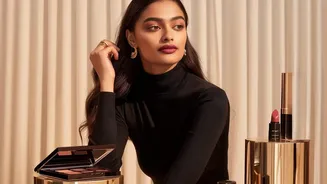
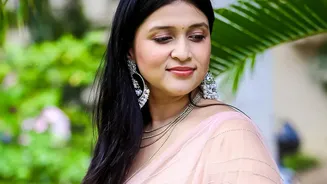
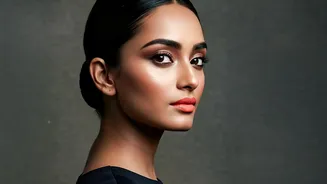
natural features rather than creating new ones. The reasons for this are practical and cultural. India’s hot and humid climate makes heavy makeup uncomfortable and difficult to maintain. There's also a growing desire, spurred by wellness movements and championed by celebrities like Alia Bhatt, to embrace authenticity and let real skin—pores, texture, and all—shine through. This isn't about wearing no makeup; it's about using makeup more thoughtfully to achieve a radiant, 'you-but-better' finish that feels comfortable and confident all day long.
The Base: Sheer and Skin-Like
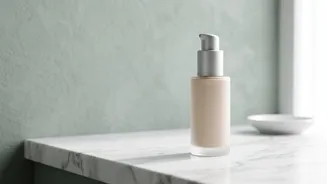
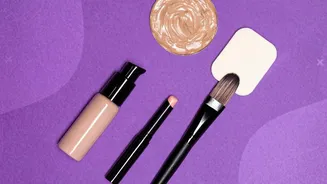
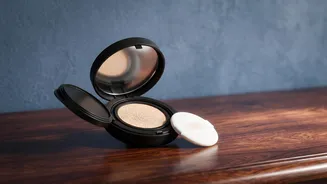
The foundation of this new look is, quite literally, the foundation. Full-coverage, heavy bases are being replaced by lightweight alternatives like skin tints, tinted moisturisers, and BB creams. The goal is no longer to erase every imperfection but to even out skin tone while allowing the natural texture to show. This approach requires good skin preparation. A well-moisturised and sun-protected canvas is crucial for a sheer base to look its best. Application with fingers is often encouraged, as the warmth helps the product melt into the skin for the most seamless, second-skin finish. For areas needing more coverage, like under-eye circles or blemishes, a targeted application of concealer is used instead of adding another layer of foundation all over. This selective concealing keeps the overall look light and breathable.
The Colour: A Soft, Natural Flush
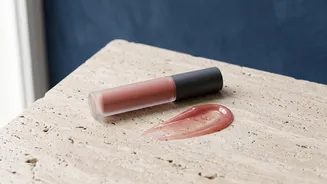
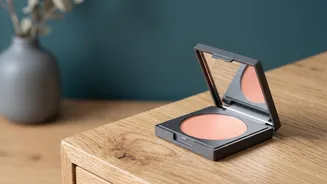
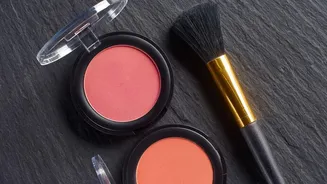
Perhaps the most vital element to bring this look to life is blush. A soft, natural-looking flush on the cheeks prevents the minimal base from looking flat and adds a healthy, vibrant glow. Cream and liquid blushes are the heroes of this trend, prized for their ability to melt into the skin and create a 'lit-from-within' effect, unlike powders which can sit on the surface. Shades of peach, rose, and warm terracottas are particularly popular as they beautifully complement Indian skin tones. The application technique is also key. Instead of a precise stripe, blush is often dabbed onto the apples of the cheeks and blended upwards towards the temples, a technique known as 'blush draping', for a lifted, youthful effect. The result is a soft, diffused colour that looks like a genuine, natural flush.
The Finish: Embracing Texture
Completing the look is an embrace of natural texture. Gone are the days of baking the face into a uniform matte finish. Instead, a light dusting of powder is used only where necessary, such as the T-zone, to control excess shine while leaving the rest of the skin with a natural, dewy finish. This extends to other features as well. Eyebrows are brushed up and feathery, often referred to as 'soap brows', rather than being sharply drawn and filled in. Eyelashes are given a simple coat of mascara, often just on the top lashes, to open up the eyes without looking heavy. Lips are typically treated with a tinted balm or a dab of the same cream blush used on the cheeks, providing a soft stain of colour that enhances the natural lip tone. It's a holistic approach where every element is designed to look effortless and authentic.