






Choose an Eco-Friendly Idol
The centrepiece of the festival is the Ganesha idol, and making a conscious choice here is the most significant step. Traditional Plaster of Paris (PoP) idols are harmful to water bodies as they are non-biodegradable and release toxic chemicals. Instead,
opt for idols made from natural materials like Shadu maati (clay), which dissolves easily in water. Many artisans now create beautiful clay idols painted with natural, non-toxic colours like turmeric and geru. An even more innovative option is a 'seed Ganesha,' an idol embedded with seeds that can be grown into a plant after immersion, symbolising a cycle of life.
Embrace Natural Decorations
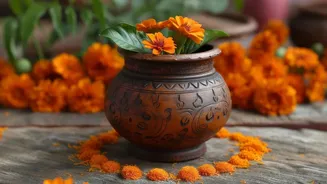
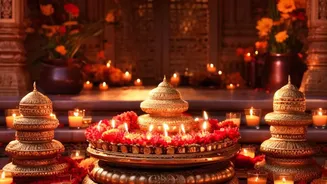
Swap out plastic and thermocol decorations for natural, biodegradable alternatives that add traditional charm. Use fresh flowers like marigolds and hibiscus, mango leaves, and banana leaves to adorn your home and pandal. You can create beautiful backdrops with cotton or jute fabrics, or even craft colourful fans from recycled paper. For lighting, choose traditional clay diyas and brass lamps over excessive electric lights. If you do use string lights, opt for energy-efficient LEDs and use them sparingly. Floral rangolis made with petals, rice flour, and pulses are a vibrant and safe alternative to synthetic powders.
Practice a Symbolic Immersion
The visarjan (immersion) ceremony signifies Lord Ganesha's return to the elements. To protect our rivers and lakes, avoid immersing idols in natural water bodies. A wonderful alternative is performing the immersion at home in a bucket or a small tub. The dissolved clay and water can later be poured into your garden or potted plants, completing the cycle in a beautiful, nurturing way. Many municipalities also set up artificial immersion tanks, which is another responsible option that prevents pollution while honouring the ritual.
Manage Offerings and Waste Mindfully
Festivals can generate a significant amount of waste, but a little planning can make a big difference. When distributing prasad or serving meals, use reusable steel utensils or biodegradable options like banana leaves instead of disposable plastic plates and cutlery. Set up separate bins for wet (organic) and dry waste to make recycling easier. Organic waste, such as flowers, fruits, and other offerings, can be composted at home. This turns holy offerings, or 'nirmalya,' into valuable manure for your plants, ensuring nothing goes to waste.
Reduce Noise and Foster Community
While celebration is key, it's important to be mindful of noise pollution. Keep music at a volume that doesn't disturb neighbours, especially the elderly and children. Fostering a sense of community is at the heart of Ganeshotsav. Instead of multiple small pandals in one locality, consider a collective celebration with your neighbours. This not only reduces noise and waste but also strengthens community bonds, bringing everyone together in a shared spirit of devotion.
Share Prasad and Gifts Thoughtfully
The joy of Ganeshotsav is multiplied when shared. When preparing bhog and other sweets, consider donating any excess to local shelters or those in need, ensuring the festive spirit reaches everyone. If you are giving return gifts, think sustainably. Instead of plastic items, consider giving small saplings, seed kits, jute bags, or handmade clay diyas. These thoughtful gifts extend the message of responsibility and care, making your celebration even more meaningful for your guests.