

A Return to Rhythms
The concept of seasonal eating is hardly new; it’s a wisdom our grandparents lived by. For generations, Indian diets were naturally aligned with the seasons — cooling foods like curd and watermelon in the summer, warming millets and root vegetables in winter,
and light, digestible meals during the monsoon. Today, this age-old practice is seeing a powerful resurgence. Consumers are increasingly seeking out produce that is fresh, locally grown, and naturally in season. This shift is driven by a desire for better flavour, higher nutritional value, and a more sustainable way of living. Foods eaten in their natural season are often richer in vitamins and antioxidants, as they are harvested at their peak. This conscious choice supports local farmers, reduces the environmental footprint associated with long-distance transport and cold storage, and reconnects us with our culinary heritage.
The Humble Hero: Chakka
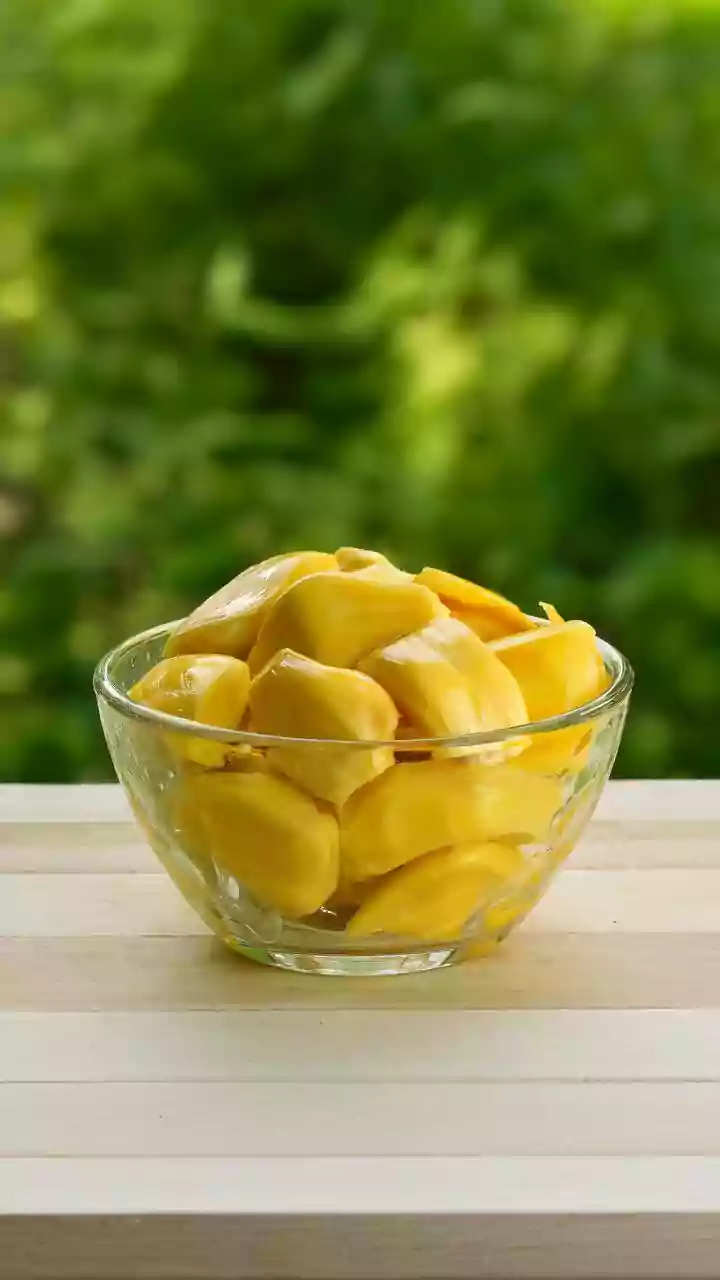
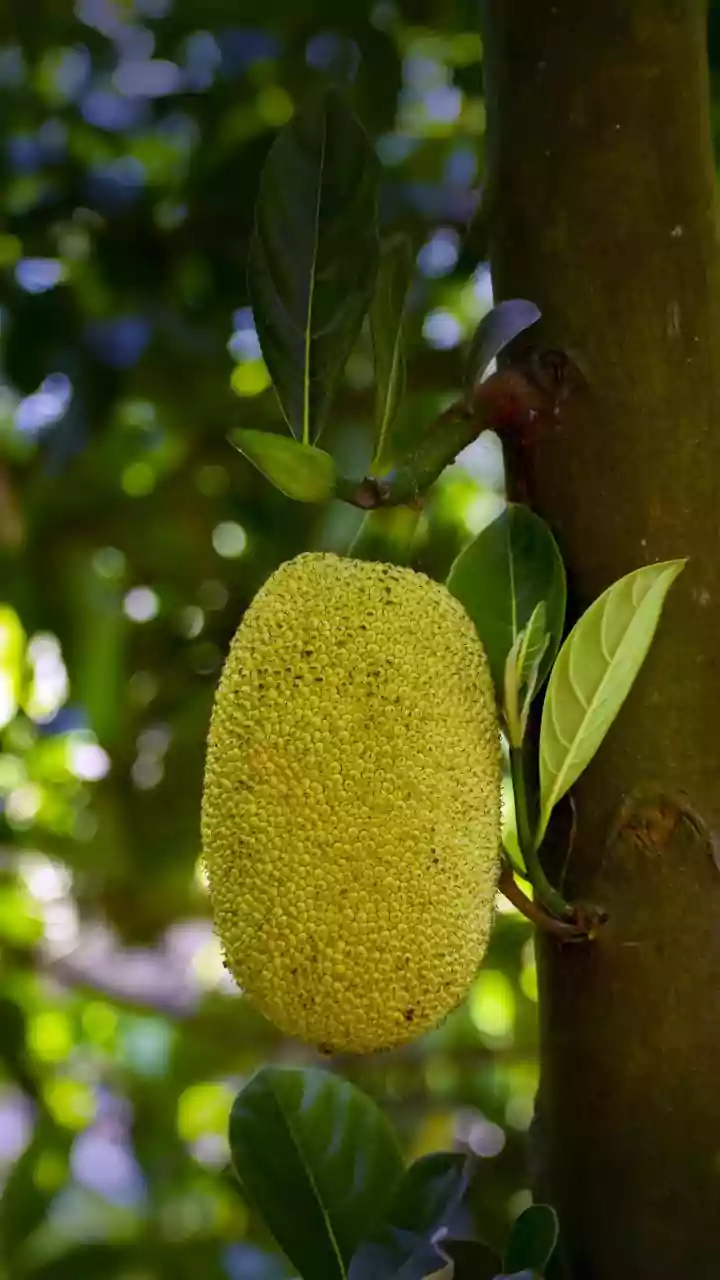
Enter the jackfruit, or chakka, as it’s lovingly known in Kerala. This giant, humble fruit is the perfect icon for the seasonal eating movement. For a few months each year, it offers incredible versatility. When unripe and green, its fibrous texture makes it a fantastic, popular meat substitute, perfect for savoury preparations. As it ripens, its fragrant yellow pods become a sweet, succulent treat. Jackfruit is not just versatile; it's also a nutritional powerhouse. It's an excellent source of dietary fiber, vitamin C, potassium, and numerous antioxidants like carotenoids and flavonoids. Studies suggest these compounds can help reduce inflammation, support heart health, and contribute to better blood sugar control.
The Savoury Staple: Chakka Puzhukku
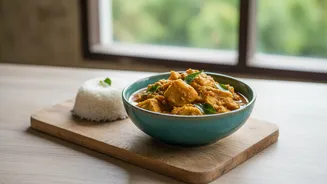
One of the most beloved classic dishes is Chakka Puzhukku, a hearty and comforting mash made from raw or semi-ripe jackfruit. This traditional Kerala dish involves cooking chunks of jackfruit until tender and then combining them with a coarse paste of grated coconut, green chillies, cumin, and turmeric. The mixture is slow-cooked until the flavours meld together, and finally finished with a drizzle of fresh coconut oil and fragrant curry leaves. It's a simple, rustic dish that’s both a satisfying meal in itself and a wonderful side, often served with a spicy fish curry. Chakka Puzhukku is a prime example of how a single, seasonal ingredient can be transformed into a wholesome, flavour-packed meal.
The Crispy Snack: Chakka Varuthathu
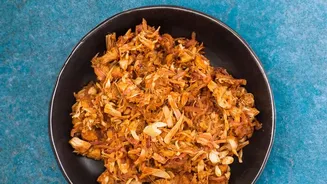
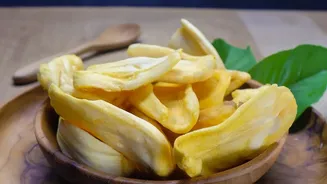
No discussion of chakka is complete without mentioning Chakka Varuthathu, or jackfruit chips. These impossibly crispy, golden chips are a quintessential Kerala snack, especially popular during festive seasons like Vishu. Made from unripe jackfruit pods sliced thinly and deep-fried, traditionally in coconut oil, these chips are a testament to the fruit's ability to be preserved. A little salt is often the only seasoning needed to enhance the naturally subtle sweetness of the fruit. Making them is a labour of love, from carefully cutting the large fruit to frying the strips to perfection, but the result is a delicious, addictive snack that captures the essence of the season in every crunch.
A Sweet Finale: Chakka Pradhaman
On the sweeter side of the spectrum lies Chakka Pradhaman, a rich and decadent payasam (kheer) that is a true festive delicacy. This dessert is made from the pulp of ripe, fragrant jackfruit, cooked down with jaggery until it forms a thick, jam-like consistency. This rich base is then thinned with coconut milk—first the thinner second extract, and then finished with the creamy, thick first extract. Scented with cardamom and often studded with fried coconut bits and cashews, Chakka Pradhaman is a luxurious celebration of the fruit at its ripest and most flavourful. It is a beloved dessert served during sadhyas (feasts) and special occasions, showcasing the sweet, glorious finale to the chakka season.