





The Golden Rule: Personal UPI Stays Free
First and foremost, the core function of UPI for the average user is not changing. The National Payments Corporation of India (NPCI) and government officials have repeatedly confirmed that all person-to-person (P2P) transactions remain entirely free.
This means sending money from your bank account to a friend's, paying your domestic help, or splitting a dinner bill with family will not cost you anything, regardless of the amount. The zero-cost convenience that made UPI a household name for personal transfers is here to stay.
So, What Is the New Merchant Fee?
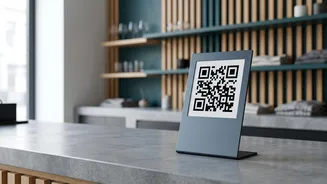
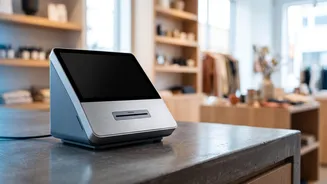
The change grabbing headlines is the introduction of a Merchant Discount Rate (MDR) on certain UPI transactions. Starting October 15, 2026, a fee of 0.4% will be applied to person-to-merchant (P2M) payments that are over ₹2,000. This is not a fee for the consumer. It is a charge that the merchant pays to their bank and payment service provider for processing the digital payment. Think of it as an operational cost for the business, similar to the fees they already pay for accepting credit or debit card payments.
Who Actually Pays This Fee?
To be crystal clear: the customer does not pay this fee. The 0.4% MDR is borne by the merchant. The government has explicitly advised that merchants should not pass this cost on to consumers by adding a surcharge to their bill. The fee is part of a revenue-sharing model between the merchant's bank, the payment app provider, and other entities that keep the digital payments infrastructure running smoothly and securely. For very large business transactions, the fee is capped at a maximum of ₹300 for any payment of ₹75,000 or more, preventing costs from escalating on high-value sales.
Are All Merchants Affected?
No, and this is a critical point. The new MDR framework is designed to protect small businesses. Small vendors who receive up to ₹1 lakh per month via UPI QR codes are completely exempt from this charge. This ensures that your local kirana store, street food vendor, or neighbourhood tailor can continue to accept digital payments without incurring new costs. The fee is aimed at larger, more established commercial enterprises that process a higher volume and value of transactions. This structure means that over 95% of all merchant transactions by volume will remain outside the new fee structure, as they are below the ₹2,000 threshold.
Understanding the Special Cases
The 0.4% rate is not universal. For certain essential services and key sectors, the government has set a different, lower fee to keep costs down. For transactions above ₹2,000 in categories like railways, telecom, insurance, and fuel, merchants will pay a flat fee of just ₹5, instead of a percentage-based charge. This special rate ensures that digital payments for utilities and critical services remain highly affordable for the businesses providing them, which in turn benefits the consumer.
Why Was This Change Necessary?
For years, the cost of running the massive UPI network—which now processes billions of transactions monthly—has been largely absorbed by banks and payment companies. The introduction of a modest MDR for high-value commercial transactions is aimed at creating a financially self-sustaining ecosystem. The revenue generated will be reinvested into strengthening payment infrastructure, enhancing cybersecurity, and driving further innovation, ensuring that the UPI system remains robust, secure, and ready for future growth.