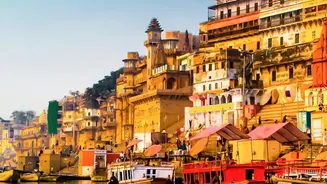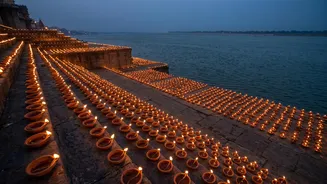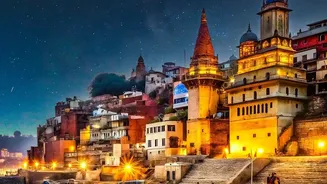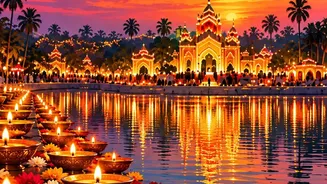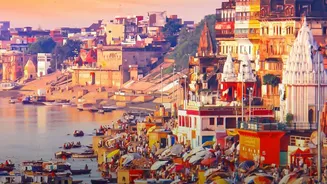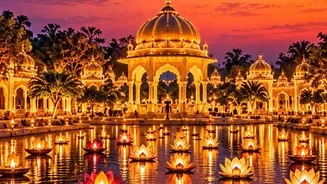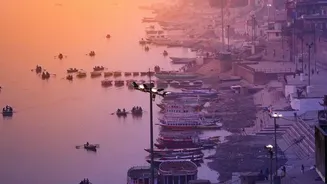



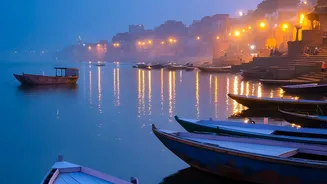
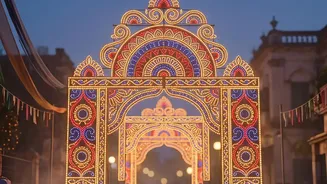
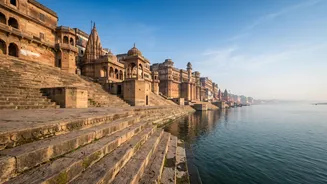
Imagine a staircase of light stretching for kilometres, its reflection dancing on the holy Ganga. On Dev Deepawali, Varanasi's ghats glow with over a million lamps. This is not a miracle, but a massive testament to human spirit and volunteerism.
The Festival of the Gods
Dev Deepawali,
often called the 'Diwali of the Gods', is a festival unique to Varanasi, celebrated on Kartik Purnima, the full moon night that arrives fifteen days after the nationwide Diwali celebrations. This year, it falls on November 24, 2026. The core belief is that on this auspicious night, the gods themselves descend to Earth to bathe in the sacred waters of the Ganga. To welcome these divine visitors, the city transforms its entire riverfront, covering more than 80 ghats from Ravidas Ghat to Rajghat, in a breathtaking spectacle of light. The tradition, while rooted in ancient mythology commemorating Lord Shiva's victory over the demon Tripurasura, has evolved into a monumental display of faith and culture, drawing hundreds of thousands of pilgrims and tourists who line the riverbanks to witness the grand Ganga Aarti and the surreal glow.
An Army of Unseen Hands
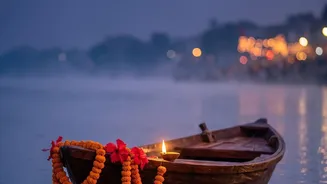
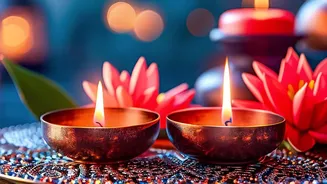
The spectacle of a million flickering flames doesn't just happen. It is the culmination of weeks of planning and the hard work of thousands of volunteers. While the city administration plays a coordinating role, the real energy comes from the ground up. Community groups, student associations, local businesses, and residents' associations all take ownership of different sections of the ghats. In a beautiful display of collaborative effort, these groups source, transport, and meticulously arrange the earthen diyas on every step. It’s a logistical feat driven by devotion. Previous years have seen NGOs and women's self-help groups from as far as Gujarat contributing lakhs of lamps, including eco-friendly ones made from cow dung. Even the tourism department has launched campaigns like 'One Lamp for Kashi,' allowing people who cannot be present to donate a lamp to be lit in their name, connecting them to the celebration from afar.
The Logistics of Light
Organizing over a million points of light is a complex operation. The process begins with sourcing the diyas, often from local potters, providing them with a significant livelihood boost ahead of the festival. Volunteers then distribute these lamps, along with oil and wicks, to designated spots along the ghats. On the day of Dev Deepawali, as dusk approaches, a quiet hum of activity envelops the riverfront. Teams of volunteers, a mix of young students, devout elders, and enthusiastic families, begin the meticulous task of lighting each lamp. This collective action, known as 'Deepdan' or the offering of lamps, is a powerful ritual in itself. The goal is to have all the lamps lit in a coordinated fashion, creating a seamless, unbroken chain of fire that illuminates the architectural grandeur of the ghats and creates a divine atmosphere.
A Deeper Meaning
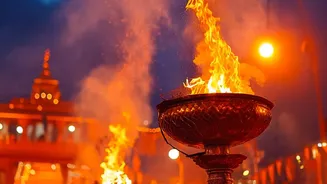
For the volunteers, this is more than just community service; it is an act of faith and cultural preservation. Each lamp lit is a personal offering to the river Ganga and the deities. It is a way to participate directly in a tradition that defines their city's spiritual identity. In recent times, the festival has also taken on a patriotic dimension. A part of the ceremony at Dashashwamedh Ghat is dedicated to honouring the country's martyrs, with army officials often participating. This adds another layer of meaning to the lights, transforming them into symbols of remembrance and national pride. The sheer scale of participation underscores a powerful truth: that Varanasi's most iconic festival is not merely a government-managed event, but a living tradition carried forward by the collective will and devotion of its people.