




From Bean to Bar: A New Chocolate Philosophy
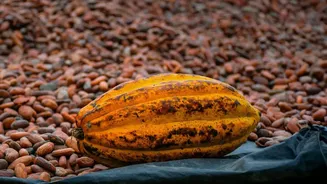
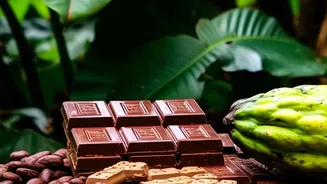
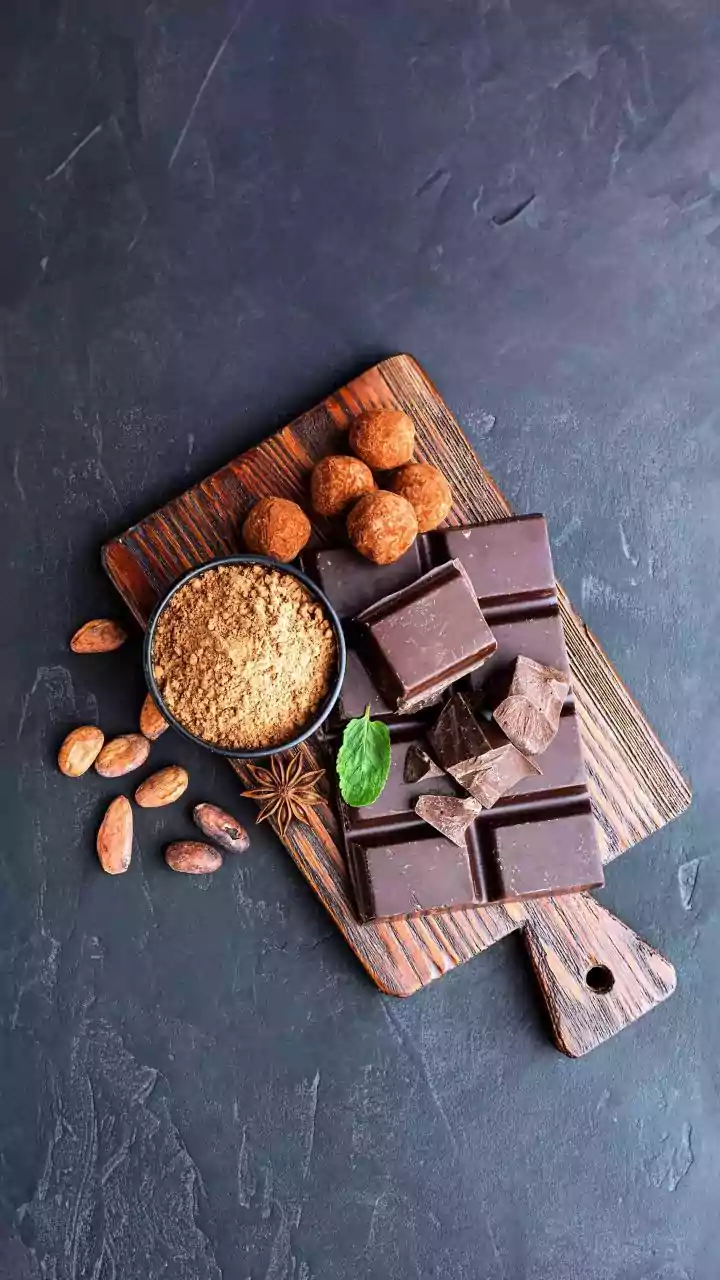
For decades, Indian chocolate was largely uniform. Today, a growing 'bean-to-bar' movement is changing everything. This philosophy involves craft chocolate makers managing the entire process, from sourcing the cacao beans to creating the final bar. This allows
for unprecedented control over quality and flavour. At the heart of this movement is single-origin cacao, where the beans are sourced from a specific farm or region, much like fine wine or coffee. This approach allows the unique characteristics of the local environment—the 'terroir'—to shine through in the final product. The result is a chocolate that tells a story of its origin, a stark contrast to industrial chocolates that blend beans from various sources.
South India: The Cradle of a Cacao Renaissance
The southern states of India, particularly Kerala, Tamil Nadu, Andhra Pradesh, and Karnataka, have emerged as the epicentre of this cacao renaissance. Regions like the Idukki district in Kerala and the Godavari region in Andhra Pradesh offer ideal climatic conditions for cacao trees to thrive, often intercropped with coconut, areca nut, and spice plantations. This biodiversity contributes to the complex flavour profiles of the beans. Brands like Soklet, India's first tree-to-bar maker, grow their own cacao in the Anamalai Hills of Tamil Nadu, controlling the entire process from the soil to the finished bar. Others, like Paul and Mike, source high-quality beans from a network of farmers in Kerala and Andhra Pradesh, often involving themselves in post-harvest processes like fermentation to ensure quality. This direct relationship not only guarantees superior beans but also ensures farmers receive better prices for their produce.
The Artisans Redefining Indian Chocolate
A new generation of Indian chocolatiers is leading the charge. Pioneers like Mason & Co, based in Auroville, work with organic-certified farms in South India and are known for their all-women production team. Hyderabad-based Manam Chocolate treats each cacao harvest as unique, creating bars that express the specific character of the beans. Bon Fiction, from Andhra Pradesh, showcases cacao from the Godavari region in its tree-to-bar process. These brands are not just making chocolate; they are educating a new generation of consumers. They foreground details like cacao percentage, origin, and tasting notes of red fruit, honey, or earth, turning a simple purchase into an experience. Many have gained international recognition, with brands like Paul and Mike winning silver at the International Chocolate Awards, proving that Indian cacao can compete on a global stage.
A Sweet Shift in Gifting Culture
The rise of high-quality, locally-made chocolate is profoundly impacting India's gifting market. Traditionally dominated by sweets (mithai), the premium and corporate gifting sectors are now embracing artisanal chocolate. Elegant packaging, unique Indian flavours like sitaphal and thandai, and the story of local origin make these chocolates a sophisticated and modern alternative. For many urban consumers, gifting a box of single-origin Indian chocolate now signifies the same thoughtfulness as a classic mithai box once did. This shift is part of a broader trend towards premiumisation, where consumers are willing to pay more for quality, authenticity, and a compelling brand story.
The Ripple Effect on Desserts and Farmers
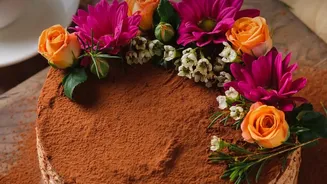
The transformation extends to the dessert menus of cafes and restaurants. Chefs and home bakers now have access to high-quality Indian-made baking chocolate and cacao nibs, allowing them to create desserts with more complex and nuanced flavours. This trend is part of a larger movement in India's food scene toward sustainable, farm-to-table sourcing. For the farmers, this movement is life-changing. By working directly with bean-to-bar makers, they often receive higher, more stable prices than they would selling to large commodity markets. This direct trade model encourages better farming and post-harvest practices, improving the quality of Indian cacao and creating a sustainable ecosystem that benefits everyone from the farmer to the consumer.