







The Unbearable Weight of Our Megacities
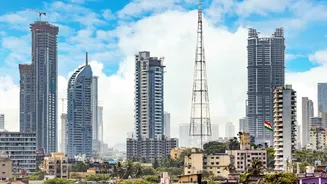
India's metropolitan centres like Mumbai, Delhi, and Bengaluru are engines of economic growth, generating a massive share of the country's GDP and jobs. But this growth has come at a cost. Infrastructure in these cities is stretched to its breaking point.
A daily commute can take hours, public transport is overburdened, housing remains unaffordable for many, and basic utilities like water and power are under constant strain. This over-concentration of economic activity in a few major hubs has created an unsustainable model of urbanisation, leading to pollution, congestion, and a reduced quality of life for residents. The constant influx of people searching for opportunities puts immense, ongoing pressure on a system that is already struggling to cope.
The Rise of a New Economic Geography
A significant shift is underway, with Tier-2 and Tier-3 cities emerging as new, dynamic centres of commerce and innovation. Places like Jaipur, Indore, Kochi, and Lucknow are no longer just satellite towns but are becoming powerful economic hubs in their own right. This decentralisation is fuelled by several factors. The expansion of digital infrastructure, including high-speed internet, has made it possible for businesses to operate from anywhere. Companies are also drawn by significantly lower operational costs, with commercial rents and employee salaries being 40-60% lower than in metros. This allows businesses, especially startups and MSMEs, to operate with healthier margins. More than half of India's recognised startups are now located in these smaller cities, a testament to their growing appeal.
Reversing the 'Brain Drain'
For decades, the standard path for ambitious young professionals was to migrate to a big city. This 'brain drain' left smaller towns with a depleted talent pool. Now, that trend is beginning to reverse. The rise of local enterprise hubs means that skilled professionals can find high-quality jobs and build careers in their hometowns, close to their families and communities. This phenomenon, often termed reverse migration, was accelerated during the COVID-19 pandemic when many professionals returned to their hometowns and continued working remotely. The availability of local opportunities helps retain talent, fosters a sense of community, and leads to more balanced regional development. It creates a virtuous cycle where local talent fuels local businesses, which in turn creates more opportunities.
The Direct Impact on Metro Infrastructure
So, how exactly does a startup in Surat help a commuter in Mumbai? The connection is direct. Every job created and filled in a Tier-2 city is potentially one less person migrating to an already overcrowded metro. This decentralisation of population directly alleviates the pressure on urban infrastructure. Fewer people competing for limited housing can help stabilise soaring rents. Fewer commuters mean less traffic on the roads and less crowding on public transport. The demand on essential services like water, electricity, and waste management is also reduced. This redistribution of economic activity and population doesn't just benefit the smaller towns; it gives metropolitan centres crucial breathing room to upgrade their infrastructure and improve living conditions for their existing residents.
Challenges on the Path to Balanced Growth
The growth of small-town enterprise hubs is not without challenges. These emerging cities must be careful to avoid replicating the problems of the metros they are helping to relieve. Unplanned growth can lead to its own set of infrastructural bottlenecks, from traffic congestion to housing shortages. Furthermore, while the talent pool is growing, finding individuals with highly specialised skills can still be difficult compared to a major metro. Access to venture capital and a dense network of investors also remains more concentrated in big cities, though this is gradually changing. For this decentralised model to be truly sustainable, it requires proactive planning from local governments, continued investment in infrastructure, and robust support systems for entrepreneurs through initiatives like Startup India and various state-level schemes.