





The Psychology of the Endless Snack
Eating directly from a large container is a recipe for overconsumption. It removes a natural stopping point, turning a deliberate snack into an endless graze. This is often done while distracted—watching TV, working, or scrolling on our phones—which means
we don't pay attention to the food or our body's fullness signals. Researchers call this mindless eating, and it's a major reason why snacks can feel unsatisfying. When your brain isn't focused on the act of eating, it doesn't fully register the experience or the calories, leading you to eat more than you intended and feel less content afterward.
The Power of a Clear Beginning and End
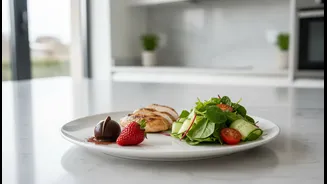
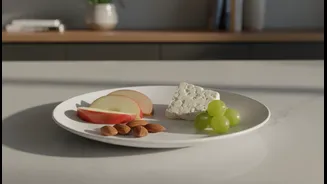
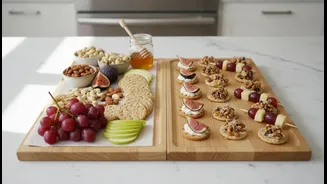
The solution is surprisingly simple: give your snack a defined structure. This starts with portioning. Instead of eating from the bag, decide on a portion size ahead of time and put it in a bowl or on a plate. This simple act creates a clear “end” to the snack. Studies show that using smaller plates can also trick our brains into feeling more satisfied with less food. This practice, known as structured or mindful snacking, shifts the focus from mindless consumption to intentional enjoyment. By planning your snack, you are making a conscious choice rather than reacting to a passing craving, boredom, or stress.
Make it a Mindful Ritual
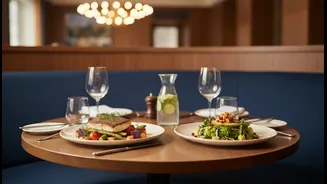
To elevate your snack from a guilty habit to a moment of self-care, turn it into a small ritual. Step away from your screen or workspace. Sit down at a table without distractions and focus on the food in front of you. Pay attention to the flavors, textures, and aromas. Eating slowly allows your body time to send satiety signals to your brain, helping you recognize when you are comfortably full and preventing overeating. This mindful approach helps you reconnect with your body's natural hunger and fullness cues, which can be dulled by years of distracted eating. It transforms snacking into a restorative break rather than a thoughtless action.
Design Your Snack Environment
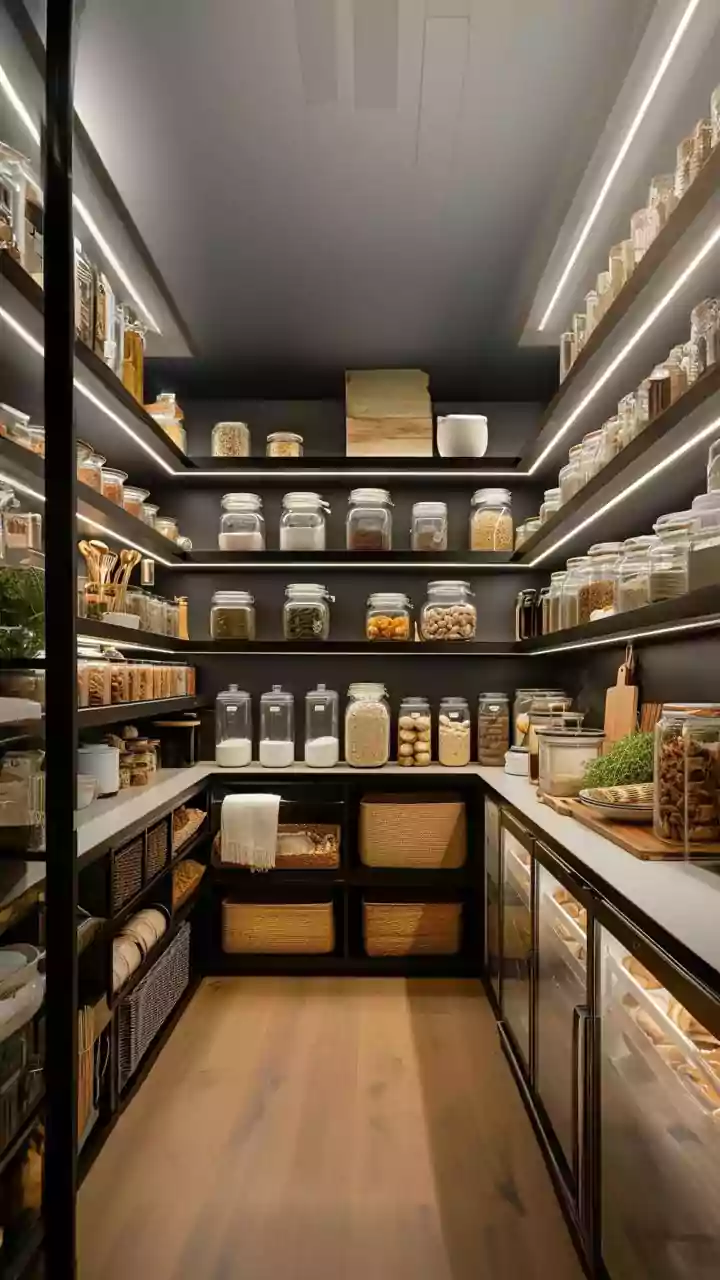
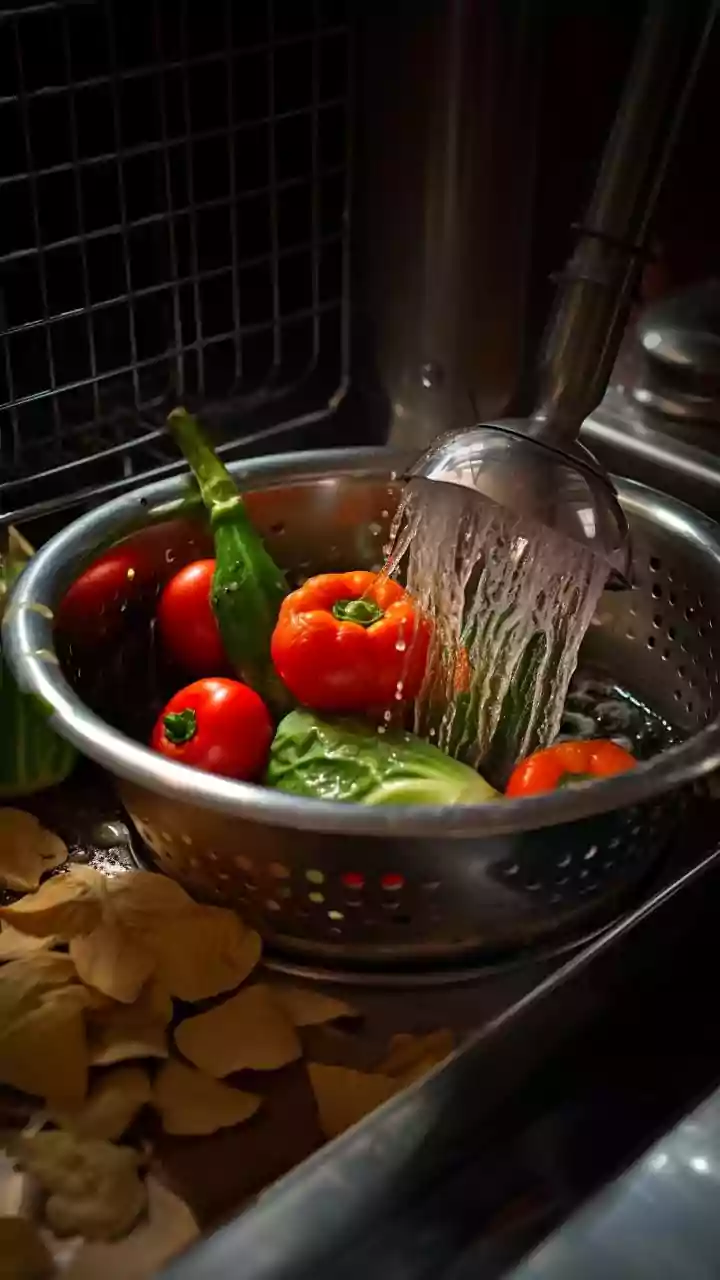
Your environment plays a huge role in your eating habits. You can set yourself up for success by making structured snacking the easiest option. Keep tempting, large-format snacks out of sight or don't bring them into the house at all. Instead, stock your kitchen with healthy, easy-to-grab options. Better yet, spend a little time prepping snacks in advance. Wash and cut vegetables, portion out nuts into small bags, or have yogurt cups ready to go. When a healthy, pre-portioned snack is the most convenient choice, you're far more likely to stick to your goal of eating more mindfully.
More Enjoyment, Less Guilt
Ultimately, structured snacking isn't about restriction; it's about intention. When you plan your snacks, you are more likely to make more nutritious choices that include protein and fiber, which keep you feeling full longer. A planned snack can bridge the gap between meals, preventing you from becoming overly hungry and overeating at your next meal. By deciding what and how much you will eat beforehand, you reclaim control. You get to truly taste and enjoy your food, feel satisfied with a reasonable portion, and move on with your day without the lingering guilt that often accompanies mindless munching. It’s a small change that can lead to a healthier and happier relationship with food.