





The World According to the Algorithm
For years, the social media experience has been defined by a powerful, invisible force: the algorithm. Platforms like Instagram, TikTok, and X (formerly Twitter) don't just show you posts from accounts you follow in the order they were published. Instead,
they use complex systems to curate a personalized feed designed to maximize your engagement. These algorithms track every like, share, comment, and even how long you pause on a video. They learn your preferences and serve you content that they predict you'll find interesting, keeping you on the platform longer. While this can feel personalized, critics argue it also creates echo chambers, where you're primarily shown viewpoints that confirm your existing beliefs. This curated reality shapes everything from the news you see to the products you buy and the communities you join.
The Chronological Comeback
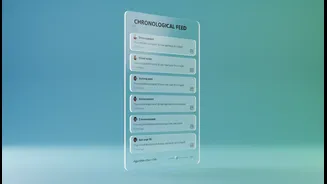
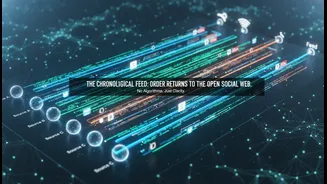
In response to growing concerns about algorithmic manipulation and a desire for more transparency, there's a renewed interest in chronological feeds. In the early days of social media, this was the default: you saw the newest posts first. Today, some platforms are bringing this option back, either as a default setting or a feature users can choose. Platforms like Bluesky, for example, default to a chronological feed and are built on the idea of “algorithmic choice,” allowing users more control over how they see content. Even giants like Instagram and Threads now offer a “Following” tab that presents a simple, time-ordered view of posts from the people you follow. The appeal is clear: it’s a transparent, predictable way to consume content, free from the platform's hidden priorities.
Reshaping News Discovery
One of the most significant potential changes lies in how we discover news. Algorithmic feeds tend to amplify content that is emotionally charged, controversial, or sensational because it generates high engagement. This can distort the media landscape, prioritizing click-worthy headlines over substantive reporting. A chronological feed, by contrast, levels the playing field. It gives equal visibility to all posts, regardless of their potential to go viral. This could lead to a calmer, more deliberate news consumption experience, where users are less likely to be swept up by algorithmically amplified outrage. A survey of social media users found that many perceived algorithms as limiting the diversity of news sources and favored a chronological presentation. By returning agency to the user, a chronological feed lets you decide what's important, not an algorithm optimizing for engagement.
A New Foundation for Communities
Algorithms also play a massive role in shaping online communities by recommending groups and connections. While this can help people find like-minded individuals, it can also lead to the formation of insular bubbles. On algorithm-driven platforms, content that performs well is often formulaic, pressuring creators to mimic successful posts rather than share authentically. An algorithm-free environment could foster more genuine communities. In a chronological feed, a small niche group has the same opportunity to be seen by its followers as a major influencer. This removes the pressure to 'beat the algorithm' and allows for more authentic expression. It creates a space where an equal share of voice is more possible, which is integral to a healthy community.
The Challenges of an Unfiltered World
Despite the benefits, a purely chronological world isn't a perfect solution. The primary reason algorithms were introduced was to manage the overwhelming volume of content. If you follow hundreds or thousands of accounts, a chronological feed can become a firehose of information, making it easy to miss important posts from close friends or trusted sources. Active posters can easily drown out quieter voices. Some argue that a strict chronological feed is itself a 'stupid' algorithm—one that simply ranks by time and rewards those who post most frequently. Finding a balance between complete user control and helpful curation is the central challenge. The future may not be a simple choice between algorithmic or chronological, but a move toward more transparent and customizable systems that give users the tools to build the feed they truly want.