





Why Good Airflow is Essential
We spend most of our time indoors, where air can become concentrated with pollutants like dust, pet dander, and volatile organic compounds (VOCs) from cleaning products and furniture. Without proper ventilation, these contaminants linger, potentially
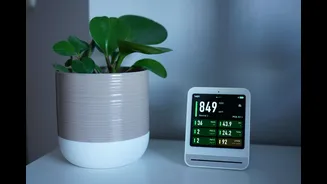
leading to health issues like headaches, fatigue, and worsened allergies or asthma. Good airflow, achieved by exchanging stale indoor air with fresh outdoor air, dilutes and removes these pollutants. This process is fundamental to maintaining good indoor air quality, which supports better respiratory health, improved cognitive function, and even more restful sleep.
The Simple Power of an Open Window
The most basic tool for natural ventilation is the openable window. Modern homes are often built to be airtight for energy efficiency, but this can trap stale air inside. Simply opening windows for at least 15 minutes a day can significantly improve air quality by allowing fresh air in. This simple act of 'airing out' your home helps to reduce moisture that can lead to mould, flush out accumulated pollutants, and lower the concentration of airborne germs. Even in colder weather, briefly opening windows can provide necessary air exchange without a major impact on your heating bill, as fresh, dry air heats up more efficiently than damp, stale air.
Create Clear Paths for Cross-Ventilation
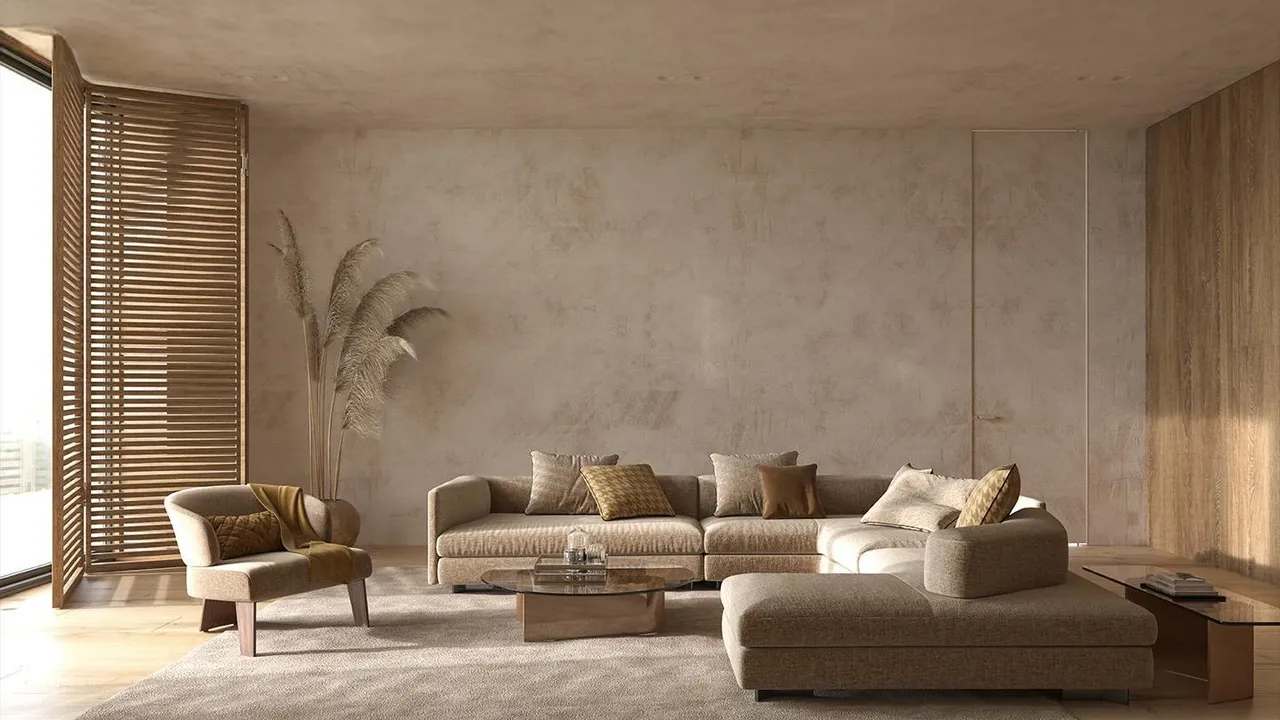
Opening one window is good, but creating a clear path for air to travel through your home is even better. This is known as cross-ventilation, and it's one of the most effective natural cooling and ventilation strategies. It works by opening windows on opposite sides of your home, which creates a pressure difference that pulls fresh air in from one side and pushes stale air out the other. For this to work effectively, interior pathways must be clear. Keep interior doors open to allow air to circulate freely between rooms and avoid placing large furniture that could block the flow. By creating an uninterrupted route, you ensure that fresh air moves through the entire space, not just one isolated area.
Intentionally Direct the Airflow
You can be more strategic than just opening windows. The 'stack effect' is a natural phenomenon where warm air rises. You can use this to your advantage by opening lower windows to let cool, fresh air in and higher windows (like those on an upper floor or clerestory windows) to let warm, stale air escape. Fans can also be powerful tools. To bring fresh air in, place a fan facing inward near an open window. To exhaust stale air, turn the fan around to face outward. For a highly effective setup, use two fans: one pulling cool air in on the breezy side of your home, and another pushing warm air out on the opposite side.
Solutions for Limited Openings
What if you live in a space with few windows or windows that don't open? You still have options. Use mechanical ventilation like bathroom and kitchen exhaust fans, which are designed to pull moisture and pollutants directly outside. Run them during and after cooking or showering to help vent the entire home. If you only have one window in a room, you can still create airflow by opening the interior door and placing a fan near the window, pointing it outward, to pull stale air out of the room. In situations with very poor natural ventilation, a high-quality air purifier can help by filtering contaminants, though it's important to remember that purifiers clean air but do not introduce fresh, oxygenated air.