








So, What Is This Trend?
The trend is called citizen science, and the idea is simple: it’s scientific research conducted, in whole or in part, by amateur or non-professional scientists. Think of it as crowdsourcing for discovery. This isn't just about kids' science fairs. It’s
about regular people contributing valuable data to real, often groundbreaking, research projects. While the concept has been around for over a century—birdwatchers have been contributing to ornithological surveys since the early 1900s—the internet and smartphones have supercharged it. Now, anyone with a laptop or a phone can help classify distant galaxies, track biodiversity in their backyard, digitise historical records, or even help design new medicines by playing a game.
From Hobby to Breakthrough
The impact of citizen science is no longer a niche curiosity; it's a mainstream engine of discovery. Consider Zooniverse, the world's largest platform for people-powered research. Its first project, Galaxy Zoo, asked volunteers to classify images of galaxies from the Sloan Digital Sky Survey—a task computers struggled with. Within a year, volunteers had classified every single one of the million galaxies in the dataset. In the process, a Dutch schoolteacher discovered a new type of astronomical object, now known as 'Hanny's Voorwerp'.
In India, the SeasonWatch project enlists citizens to track the seasonal cycles of trees across the country. This data helps scientists understand the real-world effects of climate change on our local ecosystems. Similarly, the iNaturalist app allows anyone to upload photos of plants and animals, which are then identified by a community of experts and AI. This has led to the documentation of species in new locations and even the discovery of species new to science, all from a simple photo taken on a walk.
Why Science Needs You, Specifically
This isn't just a way to keep people busy. Modern science is drowning in data. Our telescopes, satellites, high-throughput microscopes, and camera traps generate terabytes of information every single day. There are simply not enough scientists or PhD students in the world to sift through it all. This data bottleneck is one of the biggest challenges in research today. This is where you come in. The human brain, even an untrained one, possesses an extraordinary ability for pattern recognition that still outstrips many of the most advanced algorithms. You can spot the weirdly shaped galaxy, identify the faint call of a rare bird in a recording, or notice a subtle anomaly in a satellite image that a computer would miss. This movement isn't just about making science more accessible; it's about solving a fundamental resource problem. Science doesn’t just want your help—it needs it.
Your Lab Is in Your Pocket
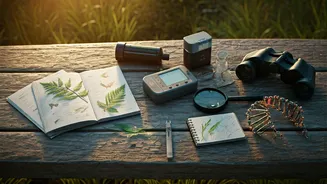
Getting started is easier than you think. You don't need a degree or any special equipment beyond what you likely already own. The most important qualifications are curiosity and a willingness to pay a little closer attention to the world around you. Platforms like Zooniverse offer dozens of projects you can do from your web browser, from transcribing historical ship logs to counting penguins in Antarctica. If you'd rather get outside, apps like eBird (for bird sightings), iNaturalist (for all biodiversity), or the aforementioned SeasonWatch in India, turn your daily walk into a data collection mission. Some projects are even designed as games. Foldit, for instance, is a puzzle game where players compete to fold protein structures, a critical task in drug design. Players have already solved scientific problems that had stumped researchers for years.