




A New Dawn for Solar Power
For years, silicon has been the undisputed king of solar panels, powering homes and businesses across India. But while reliable, silicon technology is approaching its physical limits for efficiency. Enter perovskite solar cells, a game-changing innovation
that has the scientific community buzzing. These next-generation cells are not only demonstrating higher efficiencies in labs but are also made from materials that are cheaper and easier to produce. This combination of high performance and low cost could finally make solar power an accessible and obvious choice for millions of Indian households struggling with high energy costs.
What Exactly Are Perovskites?
Unlike silicon, which is a single element, perovskite refers to a specific crystal structure. Think of it like a specific recipe for a crystal. Solar cells using perovskite materials can be 'tuned' to capture different parts of the light spectrum more effectively than silicon can. This makes them incredibly efficient at converting sunlight into electricity. The active layers in these cells are incredibly thin, meaning less material is needed. Furthermore, they can be manufactured using simpler, low-temperature methods—some researchers are even developing techniques that resemble printing a newspaper, which could dramatically lower production costs.
The Efficiency Leap Explained
The single biggest story around perovskites is the rapid rise in their efficiency. While a standard silicon panel on a rooftop today typically converts 20-22% of sunlight into electricity, perovskite technology is breaking new ground. Recent lab results have seen perovskite-silicon tandem cells—which stack a perovskite layer on top of a traditional silicon cell—achieve certified efficiencies of over 34%. This tandem approach allows the panel to capture a much broader slice of the solar spectrum, generating significantly more power from the same amount of space. Researchers at Nankai University and Xi'an Jiaotong University have also reported efficiencies exceeding 26-27% for different types of perovskite cells in 2026, showcasing the rapid pace of innovation.
The Path to Your Rooftop
So, when can you expect to see these panels on your roof? The journey from a lab record to a commercial product takes time. The biggest challenge for perovskite technology has been durability. Early versions degraded quickly when exposed to moisture and heat—a major concern in the Indian climate. However, recent breakthroughs are tackling this head-on. Scientists have developed new chemical additives and protective layers that are dramatically extending the lifespan of these cells, with some now projected to last for many years, approaching the 20-25 year lifespan of traditional panels. Companies are now beginning initial commercial production, moving this exciting technology from the laboratory to the factory floor.
Real-World Impact for Indian Homes
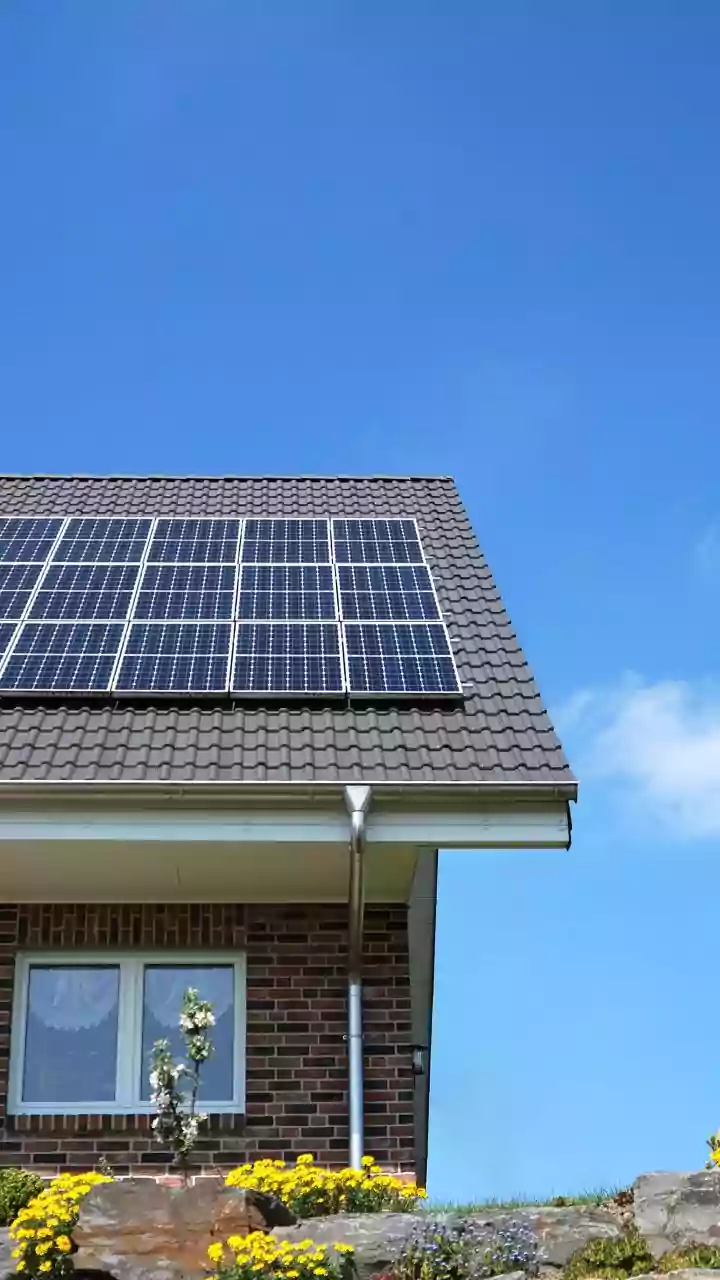
The implications for India are enormous. Higher efficiency means you can generate more electricity from a smaller rooftop, a key advantage in dense urban areas. Lower manufacturing costs should translate directly into cheaper panels for consumers, reducing the upfront investment required to go solar. Research suggests that a highly efficient perovskite tandem panel could produce electricity at the same price as a standard silicon panel, even if the initial cost is slightly higher, because it generates so much more power over its lifetime. This could lead to a faster return on investment and more significant savings on monthly electricity bills, providing relief to households and reducing the strain on the national grid.