

Embrace the Monsoon Magic
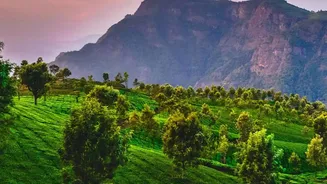
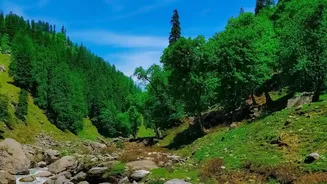
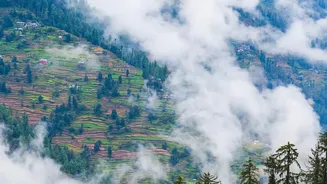
While many travellers shy away from the Indian monsoon, visiting Himachal during this season is a secret held dear by those in the know. The landscape sheds its summer dust and dons a vibrant, emerald coat. Waterfalls, often mere trickles, become dramatic
cascades, and the scent of wet earth and pine fills the air. The biggest advantages are the significant drop in tourist numbers and the resulting peace that settles over the valleys. Instead of jostling for views, you’ll share them with swirling clouds and the sound of the rain. It’s a time for reading by a window, sipping endless cups of tea, and truly connecting with the rhythm of the mountains. The experience shifts from a hectic sightseeing schedule to a slower, more immersive retreat.
Tirthan Valley: A Riverside Sanctuary
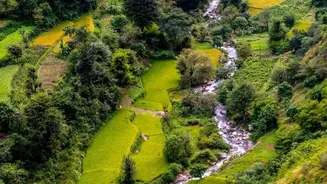
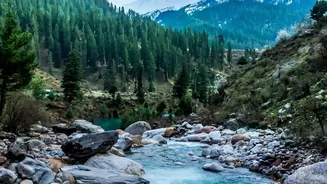
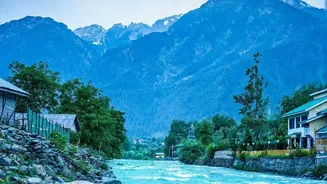
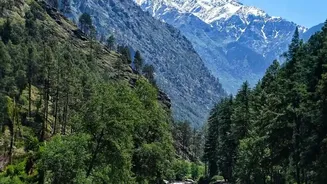
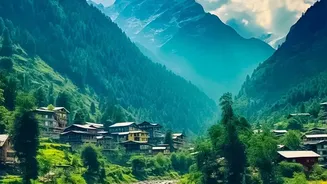
Nestled along the pristine Tirthan River, a tributary of the Beas, this valley is the gateway to the Great Himalayan National Park, a UNESCO World Heritage Site. In monsoon, the river runs full and fast, its roar a constant, soothing soundtrack. The valley is known for its traditional wooden homes, trout fishing, and a strong culture of eco-tourism. While some higher-altitude treks into the core national park area might be restricted, there are countless low-impact walks through sleepy villages like Gushaini and Nagini, dense deodar forests, and along the riverbanks. The monsoon makes these trails incredibly lush and alive.
Quiet Stays in Tirthan
The soul of Tirthan lies in its homestays. Forget large hotels; the best experiences are found in family-run properties that offer a genuine taste of Himachali hospitality. Look for traditional Kath-Kuni style cottages set in apple orchards or right by the river. These stays often serve delicious, home-cooked meals made from local produce, a perfect comfort against the cool, rainy weather. Many offbeat abodes are intentionally disconnected from the main road, accessible by a short walk, ensuring complete tranquillity. You’ll find everything from rustic rooms that have been part of a family home for generations to boutique eco-stays that blend comfort with sustainability. Booking a stay away from the main town of Banjar will guarantee a more peaceful experience.
Shoja: A Village Above the Clouds
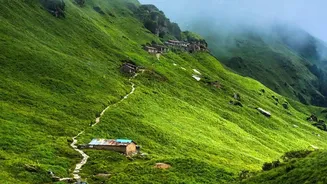
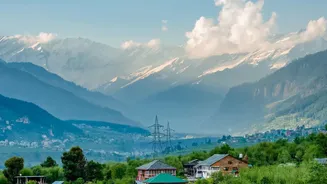
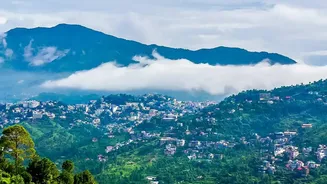
A short, winding drive up from the Tirthan Valley takes you to Shoja. Perched at a higher altitude of over 2,600 metres, this tiny hamlet offers a different perspective. During the monsoon, Shoja is often enveloped in a thick, romantic mist, with the clouds floating right up to your window. The main draw here is the staggering view of the Dhauladhar and Pir Panjal ranges, which play a mesmerising game of hide-and-seek with the monsoon clouds. Shoja is the last village before the Jalori Pass, and its quiet, single-road setting makes it feel wonderfully remote and peaceful. It's a place for long walks, photography, and finding a cosy corner in a cafe to watch the weather change.
Cosy Nooks in Shoja
Accommodation in Shoja consists mainly of small guesthouses and boutique stays, many of which are built to maximize the stunning valley views. Look for properties with wooden balconies or large picture windows where you can settle in with a book. Hostels and homestays here offer a warm, communal vibe, perfect for meeting other travellers who appreciate the slow pace of life. Given its small size, booking in advance is a good idea, even during the off-season monsoon. The stays here are less about riverside access and more about elevated, panoramic silence, offering a perfect, misty mountain retreat.
A Note on Monsoon Travel
While beautiful, monsoon travel in the Himalayas requires caution. Roads, especially the link roads to smaller villages, can be susceptible to landslides. Always check the latest weather advisories and road conditions before you travel and on the day of your journey. Local authorities and your hotel or homestay host are the best sources for real-time information. Pack waterproof jackets and footwear with good grip. Most importantly, build buffer days into your itinerary. Delays are part of the adventure, offering an excuse to slow down even more. Drive only during daylight hours and trust experienced local drivers.