





From Ornamental to Endemic
For years, the ideal urban garden was a carefully manicured collection of ornamental, often non-native, plants. While beautiful, these gardens frequently demand significant resources like water, fertilizers, and pesticides to thrive in a climate they
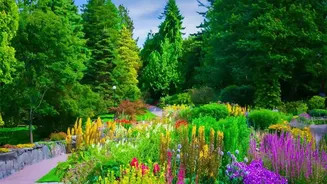
aren't built for. Now, a growing number of city dwellers are shifting their focus from high-maintenance beauty to ecological harmony. This movement, often called 'rewilding' on a small scale, involves choosing plants that are indigenous to the local region. It’s a move away from creating a picture-perfect but sterile environment, towards cultivating a small patch of wilderness that is resilient, vibrant, and deeply connected to its surroundings. This trend prioritises sustainability and celebrates the unique botanical heritage of India.
The Practical Magic of Going Native
So, why are so many gardeners making the switch? The reasons are as practical as they are philosophical. Native plants are, by definition, perfectly adapted to the local climate and soil conditions. This means they generally require far less water—a crucial benefit in a country facing increasing water scarcity. They are also naturally resistant to local pests and diseases, which dramatically reduces the need for chemical pesticides and fertilizers. This not only saves the gardener time and money but also prevents harmful chemicals from entering the environment. In essence, a native garden is a low-maintenance garden. Once established, these plants can largely take care of themselves, making them an ideal choice for busy urbanites who want to enjoy green spaces without constant upkeep.
A Balcony-Sized Biodiversity Hotspot
Perhaps the most compelling reason to go native is the incredible benefit to local wildlife. Native plants provide the specific food and shelter that local insects, birds, and butterflies need to survive. Species like the Parijat (Night-flowering Jasmine), Hibiscus, and Marigold attract a host of pollinators. Planting these species helps create 'green corridors' through our concrete jungles, allowing wildlife to move and thrive even in densely populated areas. By choosing a native plant, you are doing more than just decorating your home; you are creating a vital habitat and contributing to a collective effort to support and sustain the local ecosystem. Your balcony or terrace can become a buzzing, fluttering haven for bees, butterflies, and songbirds, forming a small but essential part of the urban food web.
Easy Ways to Start Your Native Garden
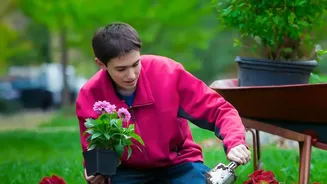
Getting started with native gardening is simpler than you might think. You don't need to overhaul your entire space overnight. Start small by replacing a few of your existing plants with native alternatives. Many nurseries are now increasing their stock of indigenous species in response to growing demand. For a sunny balcony, consider vibrant bloomers like Marigold (Genda), Hibiscus (Gurhal), or the incredibly resilient Bougainvillea. For shadier spots or kitchen gardens, herbs like Tulsi (Holy Basil) and the Curry Leaf plant (Kadi Patta) are excellent choices that are both native and useful. These plants are not only adapted to our environment but are also deeply woven into our cultural fabric, used for everything from daily worship to traditional medicine.
More Than a Trend, It's a Connection
This shift towards native plants in urban gardens is more than just a fleeting trend. It reflects a deeper desire to connect with our environment and embrace a more sustainable way of living. In a world of rapid urbanization, cultivating a garden with plants from our own ecological backyard is an act of restoration—for the environment and for ourselves. It’s about recognizing that our homes and cities are not separate from nature, but a part of it. These gardens become spaces of learning, where we can observe the intricate relationships between plants and animals up close. They are a tangible way to combat climate change, conserve precious resources, and restore a piece of India's rich biodiversity, one balcony at a time.