








The Blueprint: What Are Text Frameworks?
Before any AI magic can happen, you need a story. A text framework is the foundational script for the presentation. It’s a structured document—often just a simple outline, a Word document, or a series of prompts—that contains the core narrative, key data
points, and the logical flow of the argument. Think of it as the detailed blueprint for a house before construction begins. It specifies the problem, the solution, the market size, the business model, financial projections, and the team. The more detailed and well-structured this initial text is, the better the AI can interpret the story and build a relevant, coherent presentation. The crucial first step isn't design; it's getting the narrative right.
The Engine: Multi-Modal AI at Work
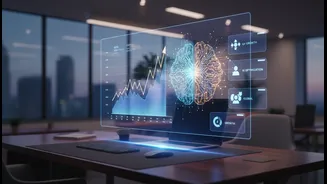
This is where the process becomes transformative. Multi-modal AI is not just about understanding and generating text; it's about processing and creating a variety of content types, including text, images, charts, and even audio. When you feed a text framework into a multi-modal system, it doesn't just copy and paste your words onto slides. The AI reads the text for context. If it sees a line like, "Our revenue grew 300% in the last fiscal year," it understands that this data point is best represented visually. It can then automatically generate a bar chart or a line graph to illustrate that growth, turning a dry fact into a compelling visual. This ability to interpret and translate across different modes of information is what separates modern AI presentation tools from older template-based software.
The Toolkit: Integrated Plugin Suites
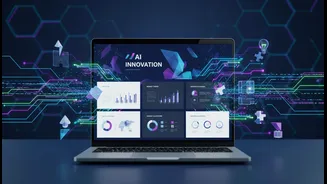
The real power comes from connecting different specialized AI services through a plugin suite. These suites act as a central hub, often integrating directly into familiar software like PowerPoint, Google Slides, or a web browser. Instead of using separate tools for writing, image generation, and data visualization, a plugin suite bundles these capabilities. For example, a single prompt might trigger one plugin to draft the slide's text, another to generate a custom-branded image based on that text, and a third to connect to a financial database to pull real-time data for a chart. Tools like Microsoft Copilot, Templafy, and SlidesAI work within existing presentation software, allowing users to leverage AI without having to learn a completely new platform. This integrated workflow is what enables the seamless jump from a text document to a fully-formed deck.
The Assembly Line: From Prompt to Presentation
The automated workflow typically unfolds in a few steps. First, the user provides the text framework, either by pasting text, uploading a document, or entering a series of prompts. The AI parses this input and generates a draft outline for review. Once the outline is approved, the system generates the full presentation. The AI populates each slide with text, creates relevant charts from any data provided, and selects or generates images that match the content and branding. Many platforms can generate an entire first draft in under a minute. The result is a professional-looking, cohesive presentation that's ready for refinement, not built from scratch. This process cuts down creation time significantly, allowing teams to focus on strategy rather than production.
The Human Touch: AI as a Co-pilot
Despite the impressive automation, these tools are best viewed as powerful assistants, not replacements for human oversight. The AI generates a strong first draft, but strategic messaging, narrative nuance, and factual accuracy still require a human touch. Senior professionals emphasize that AI can handle the heavy lifting of data collection and slide design, but the final story must be guided by human expertise. The most effective use of this technology involves a partnership: the AI builds the foundation quickly, and the human refines the messaging, checks the data, and ensures the story resonates with the intended audience—the investors. This iterative process of generating, reviewing, and refining is where the best results are achieved.