





The Rise of Bioacoustic Technology
The search for environmentally friendly ways to control agricultural pests has led to some surprising innovations. One of the most promising is bioacoustics, a field that uses sound to influence living organisms. Instead of relying on chemical pesticides
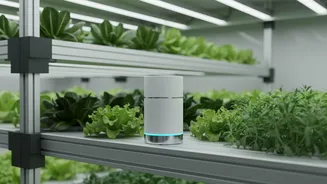
that can harm the environment and human health, this technology uses specific sound frequencies to manage pests. These sounds, often in the ultrasonic range above human hearing, can deter insects, disrupt their behavior, or even prevent the growth of harmful molds and fungi. The concept isn't entirely new, but recent advancements in sensor technology and artificial intelligence are making it a practical reality for modern farms. Companies are developing systems that can "listen" for the signature sounds of pests or plant stress and then emit targeted soundwaves to solve the problem before it starts.
How Sound Creates a 'Force Field' for Crops
So, how can a soundwave stop a bug? The technology works in several ways. For pest control, high-frequency ultrasonic waves create an uncomfortable environment for insects and rodents, effectively repelling them from the area without the use of traps or poisons. Research has shown that specific vibrations can disperse pests like whiteflies from crops and even reduce their ability to lay eggs. It’s like creating a sonic 'no-fly zone' that pests want to avoid. Beyond just repelling, bioacoustic signals can interrupt pest communication, interfering with their ability to mate or find food. For diseases, some research suggests that certain sound frequencies can inhibit the growth of fungus or bacteria. Others are focused on using sound to bolster a plant's natural defenses or even promote faster, healthier growth by stimulating cellular activity.
A Perfect Match for Urban and Vertical Farms
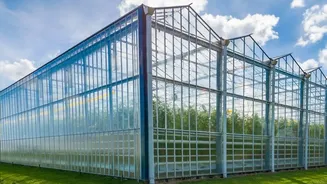
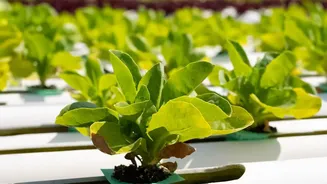
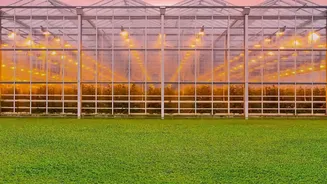
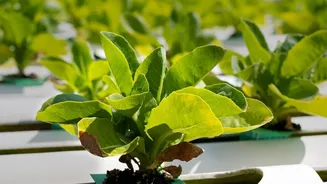
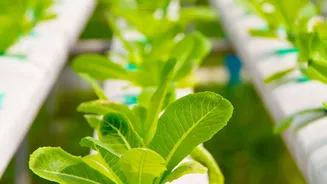
While this technology has broad applications, it’s uniquely suited for urban and controlled-environment agriculture (CEA), like greenhouses and vertical farms. In these enclosed spaces, preventing pest and disease outbreaks is critical, but using chemical sprays is often undesirable due to proximity to people and the enclosed airflow. Ultrasonic systems offer a clean, contained solution that doesn't introduce toxins into the environment. Furthermore, some companies are using ultrasonic frequencies to create a fine mist for aeroponic systems, where plants are grown with their roots suspended in the air. This method has been shown to help some crops grow significantly faster while using less water than traditional hydroponics, a major advantage for resource-conscious city farms.
From Lab to Lettuce: Is It Really Happening?
The headline's claim of "eliminating" chemical use "today" is ambitious, but the technology is moving from theory to practice. While not yet a universal replacement for all chemicals, bioacoustic systems are being deployed in real-world settings. Companies like the UK-based AgriSound use acoustic sensors and AI to monitor pollinator activity, helping farmers optimize pollination and reduce reliance on pesticides that harm bee populations. Other researchers are developing systems that can detect the ultrasonic "pops" plants make when they're stressed from a lack of water, allowing for smarter, automated irrigation long before any visible signs of wilting. The main challenges remain cost, range, and ensuring effectiveness against a wide variety of pests under different environmental conditions. However, as the technology becomes more refined and affordable, it represents a major step toward a future where our food is protected by frequencies, not formulas.