




The Slow Unraveling of Fast Fashion
The allure of fast fashion—affordable, trendy, and instantly gratifying—once seemed unstoppable. It dominated malls and online stores, encouraging a cycle of constant buying and discarding. However, a growing number of Indian consumers, particularly Millennials
and Gen Z, are now reconsidering this model. This change is driven by an increasing awareness of the environmental and ethical costs of mass-produced clothing, from textile waste to pollution. Instead of chasing fleeting trends, shoppers are showing a preference for timeless designs and versatile pieces that can be worn for years, not just a single season. This pivot isn't about rejecting style, but about finding it in places that offer more substance and longevity.
A Return to Roots: The Handloom Revival
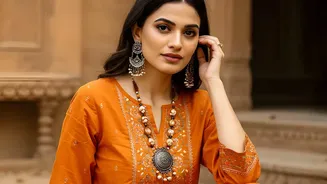
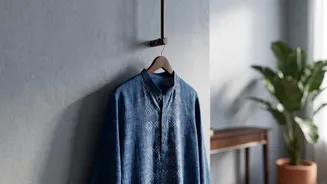
One of the most significant shifts is the renewed appreciation for India's rich textile heritage. Consumers are increasingly choosing handloom fabrics like Khadi, Ikat, and Chanderi, not just for special occasions but for everyday wear. This trend is about more than just aesthetics; it's a conscious decision to support local artisans and preserve cultural craftsmanship. Digital platforms and homegrown brands have been crucial in this revival, connecting weavers in rural clusters directly with urban consumers. By doing so, they make 'Made in India' a mark of authenticity and sustainable luxury, offering a powerful alternative to mass-market goods.
The Rise of the Conscious and Circular Wardrobe
Beyond buying new, Indian shoppers are embracing entirely new ways of consuming fashion. The thrift culture, once a niche market, has exploded into the mainstream, especially among younger demographics. Driven by a desire for unique pieces, affordability, and sustainability, online thrift stores on platforms like Instagram are flourishing. This circular approach reduces textile waste and offers an antidote to the uniformity of fast fashion. Alongside thrifting, clothing rental services are also gaining traction, allowing people to experiment with high-end looks without the commitment of ownership. This collective move towards a circular fashion economy signals a deep-seated change in consumer values.
Investing in Quality Over Quantity
The modern Indian shopper is increasingly adopting an investment mindset. Rather than filling closets with numerous cheap items, there is a growing tendency to purchase fewer, higher-quality garments. Consumers are looking for tangible value, which they define by superior craftsmanship, durability, and brand authenticity. This shift toward 'affordable premium' and 'minimalist luxury' shows that shoppers are willing to pay more for products that last and align with their values. This deliberate approach to spending prioritizes long-term satisfaction over the short-lived high of an impulse buy, fundamentally changing the relationship between the consumer and their clothes.