
The Red Planet's Perfect Storm
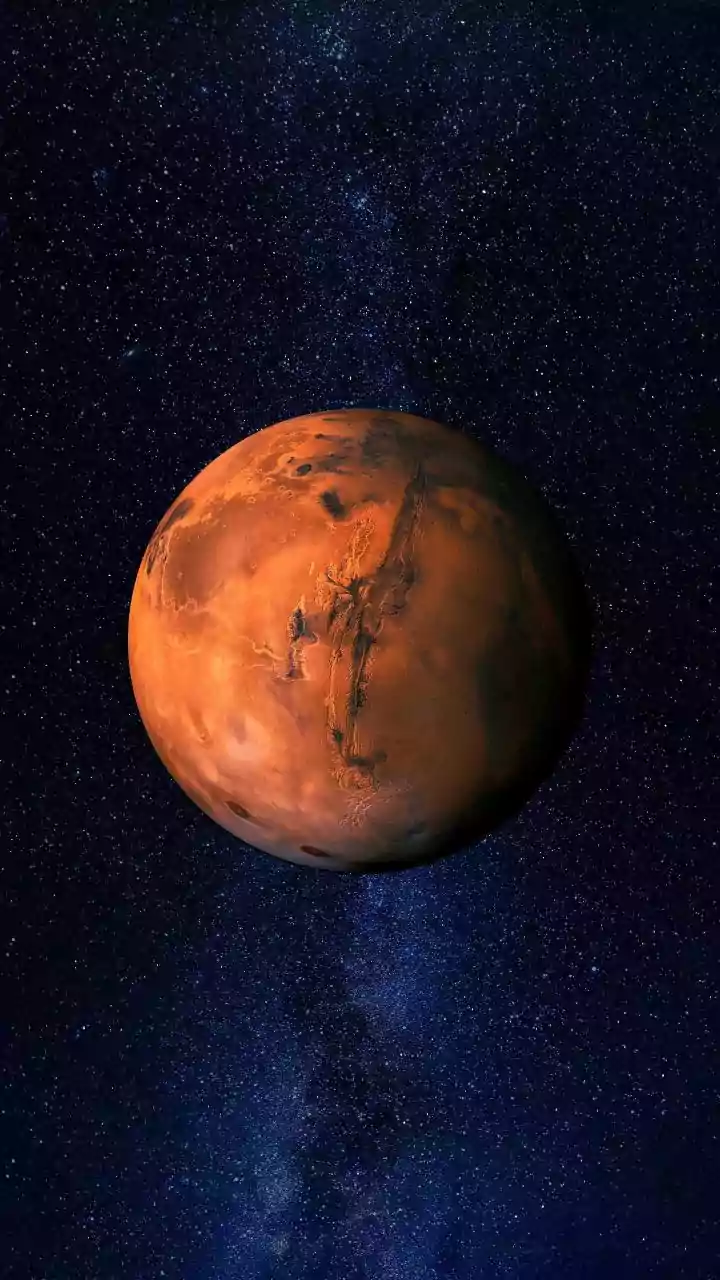
Martian dust storms are a recurring and dramatic feature of the planet's climate. They range from small, localized dust devils to regional events that can last for weeks. Every few Martian years, these regional storms can merge into a single, planet-encircling
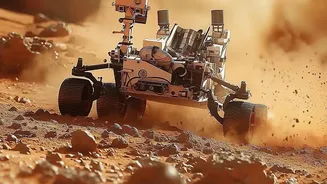
event, a global dust storm that shrouds the entire planet in a thick haze. This isn't like a storm on Earth; the Martian atmosphere is incredibly thin, so the winds lack forceful pressure. The real danger comes from the dust itself. These fine, electrostatic particles are kicked high into the atmosphere, where they can remain suspended for months, blocking out the sun and dramatically reducing the amount of solar energy reaching the surface.
Eyes in the Martian Sky
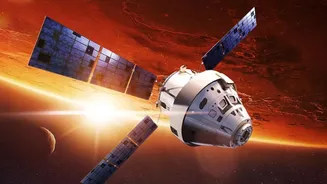
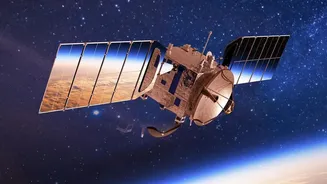
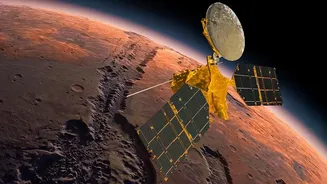
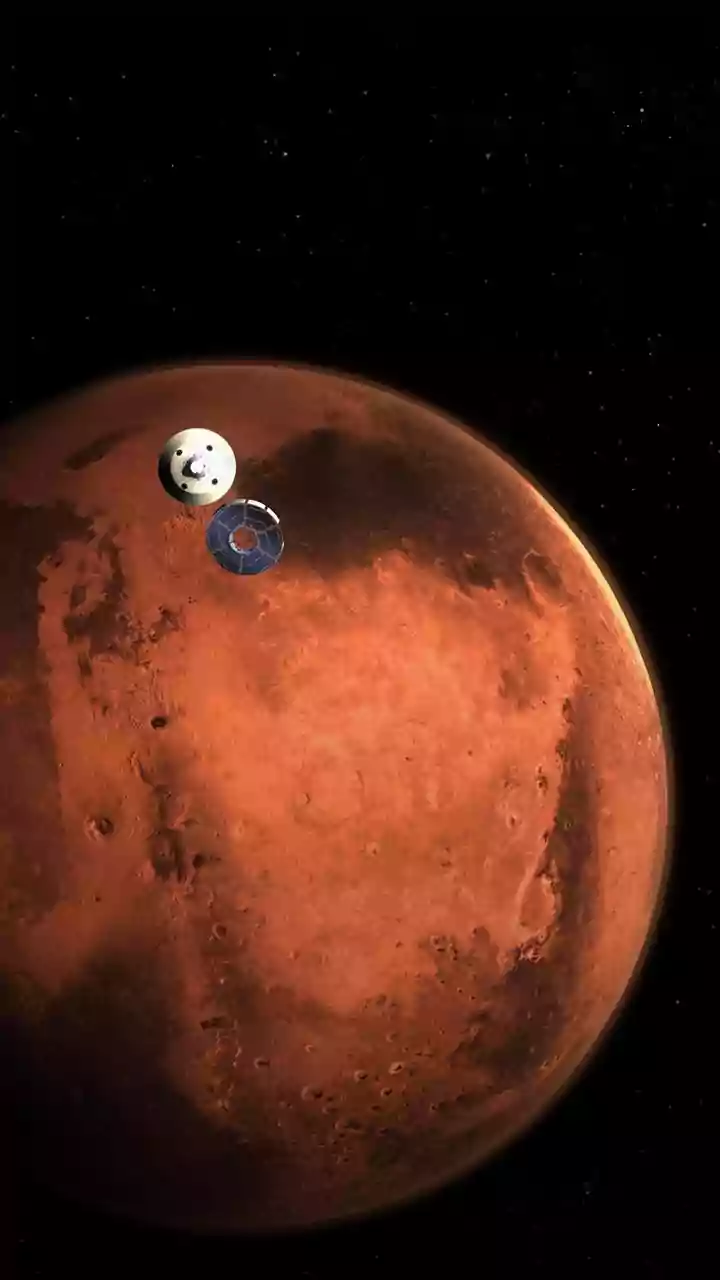
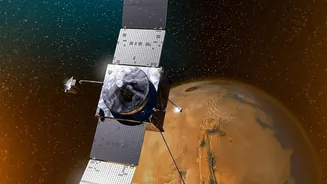
To protect our multi-billion dollar assets on the ground, NASA relies on a fleet of orbiters that act as Martian weather satellites. The Mars Reconnaissance Orbiter (MRO) is a key player in this effort. Launched in 2005, MRO circles the planet, equipped with a suite of powerful instruments designed to monitor the atmosphere and surface in incredible detail. Along with other orbiters like Mars Odyssey and MAVEN, MRO provides a constant stream of data, giving scientists on Earth a comprehensive view of how and where storms are forming and evolving across the planet. This orbital network is the first line of defense against the seasonal onslaught of dust.
Reading the Martian Weather
So how do you see a dust storm from orbit? MRO uses two primary instruments for this task: the Mars Color Imager (MARCI) and the Mars Climate Sounder (MCS). MARCI acts like a global weather camera, producing a daily map of the entire planet that allows scientists to visually track the movement of dust clouds. The MCS, on the other hand, measures atmospheric temperature at different altitudes. As dust is lifted into the atmosphere, it absorbs sunlight and heats the surrounding air. By detecting these thermal changes, the MCS can tell scientists how high the dust is being lofted and helps them predict how the storm might spread.
A Cautionary Tale: The Fate of Opportunity
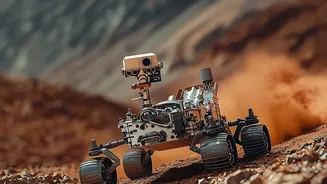
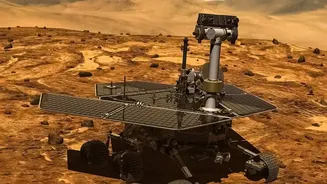
The critical importance of this orbital forecasting was tragically highlighted by the fate of the Opportunity rover. In 2018, a massive, planet-encircling dust storm blotted out the sun over its location. Opportunity, which relied on solar panels for power, saw its energy levels plummet as the sky grew dark. The dust blocked an estimated 99 percent of direct sunlight. Unable to recharge its batteries, the rover entered a low-power hibernation mode to survive. But the storm raged for months. By the time the skies finally cleared, Opportunity's batteries had been depleted for too long, likely causing critical internal components to fail in the cold. NASA officially declared the record-breaking 15-year mission over in early 2019.
From Data to Decisions
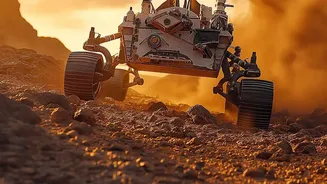
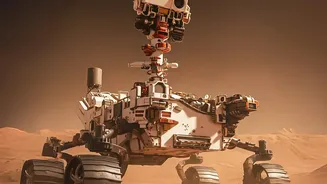
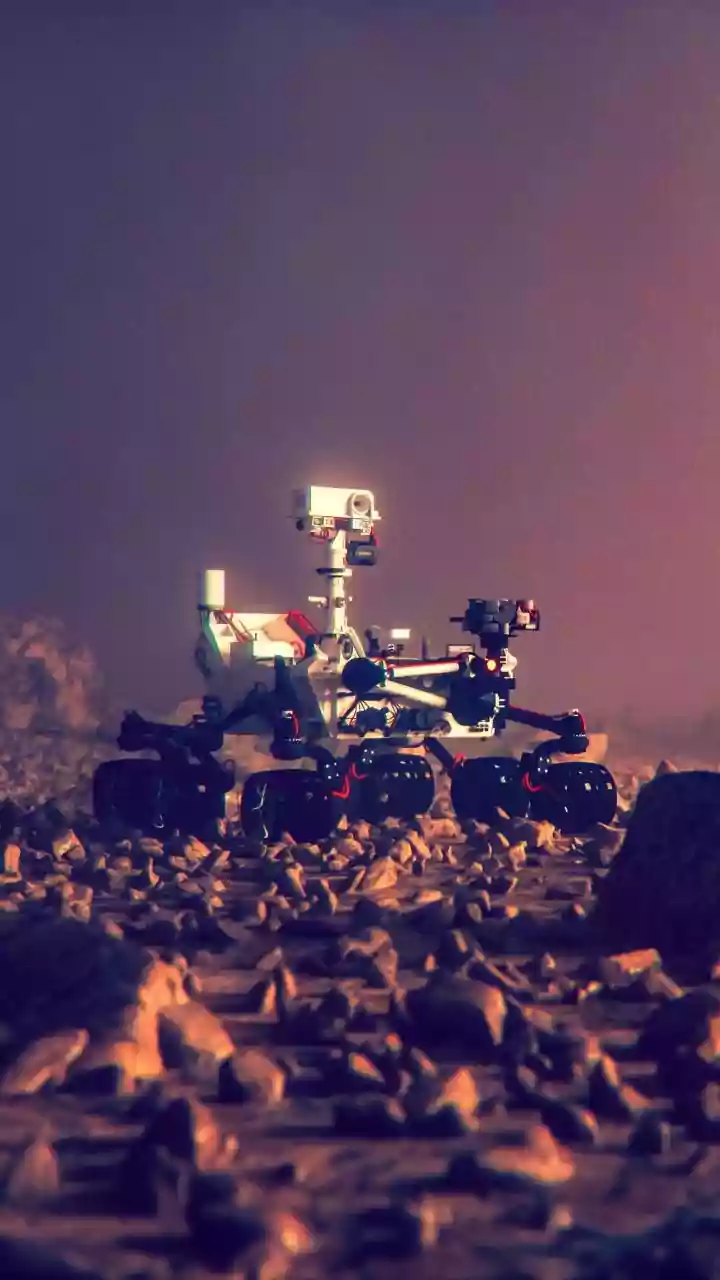
The data gathered by orbiters like MRO is relayed back to Earth, where engineers and scientists compile what is essentially a Martian weather forecast for rover teams. They can see where a storm is, how big it is, and the direction it's heading. This allows them to make crucial, power-saving decisions. For a solar-powered rover, this might mean ceasing all science operations, finding a safe place to park, and hunkering down to conserve every watt of energy. Even for nuclear-powered rovers like Curiosity and Perseverance, which are less vulnerable to power loss, the dust can clog mechanisms and reduce visibility for navigation cameras, forcing them to alter their plans.
Powering the Future Safely
This intricate system of observation and forecasting is not just about protecting current missions; it's about paving the way for the future. As NASA and other space agencies plan more ambitious robotic missions, including those that may return samples to Earth, understanding the Martian environment is paramount. The insights gained from tracking these dust storms inform the design of future rovers, influencing decisions about whether to use solar or nuclear power and what dust-mitigation technologies to include. For eventual human missions, the ability to accurately predict these massive storms will be a matter of life and death, making the work of today's orbital sentinels an invaluable foundation for the next generation of explorers.