


The Starting Point: Crude Oil
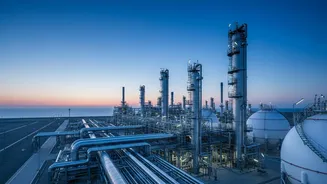
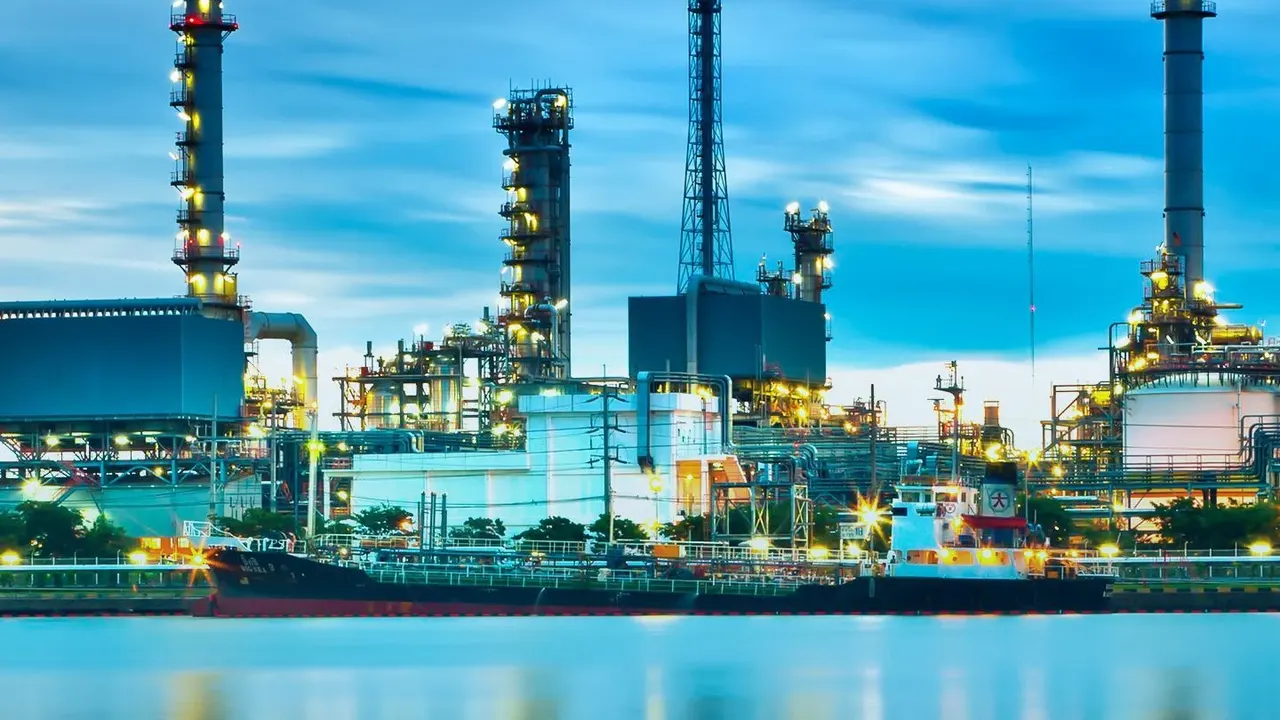
The journey of petrol begins with crude oil, the price of which is determined by global supply and demand. India imports over 85% of its crude oil requirement, making it highly vulnerable to international price swings and the Rupee-Dollar exchange rate.
A weaker rupee means we pay more for the same barrel of oil. This base price, which also includes freight and refining costs, is what oil marketing companies (OMCs) like Indian Oil, BPCL, and HPCL pay. However, this raw cost typically makes up less than half of the final price you see on the display board.
The Centre's Share: Excise Duty
Once the base price is set, the central government adds its component: the Special Additional Excise Duty (SAED). This is a significant portion of the final price. Crucially, excise duty is a fixed amount per litre, not a percentage. This means that even if the base price of crude oil falls, the tax component remains the same, blunting the impact of lower global prices for the end consumer. This fixed levy provides the government with a predictable and substantial revenue stream, used to fund various national projects and welfare schemes.
The State's Slice: Value Added Tax (VAT)
After the central government takes its share, it's the turn of the state governments. Each state levies its own Value Added Tax (VAT) on petrol. Unlike the fixed excise duty, VAT is typically an ad valorem tax, meaning it is charged as a percentage of the fuel's price. This creates two key effects. First, it leads to significant price differences between states, as some have much higher VAT rates than others. Second, VAT is often calculated on the total price after the central excise duty has already been added. This results in a 'tax on tax' scenario, further inflating the final retail price.
The Final Mile: Dealer Commission
The last component before the petrol reaches your vehicle's tank is the dealer commission. This is the margin earned by the petrol pump owner for their services. While it's an essential part of the pricing structure, it forms the smallest part of the final cost, usually just a few rupees per litre. Oil marketing companies revise this commission periodically. This amount covers the operational costs of the petrol pump, including staff salaries, electricity, and maintenance.
The Complete Picture: A Price Breakdown
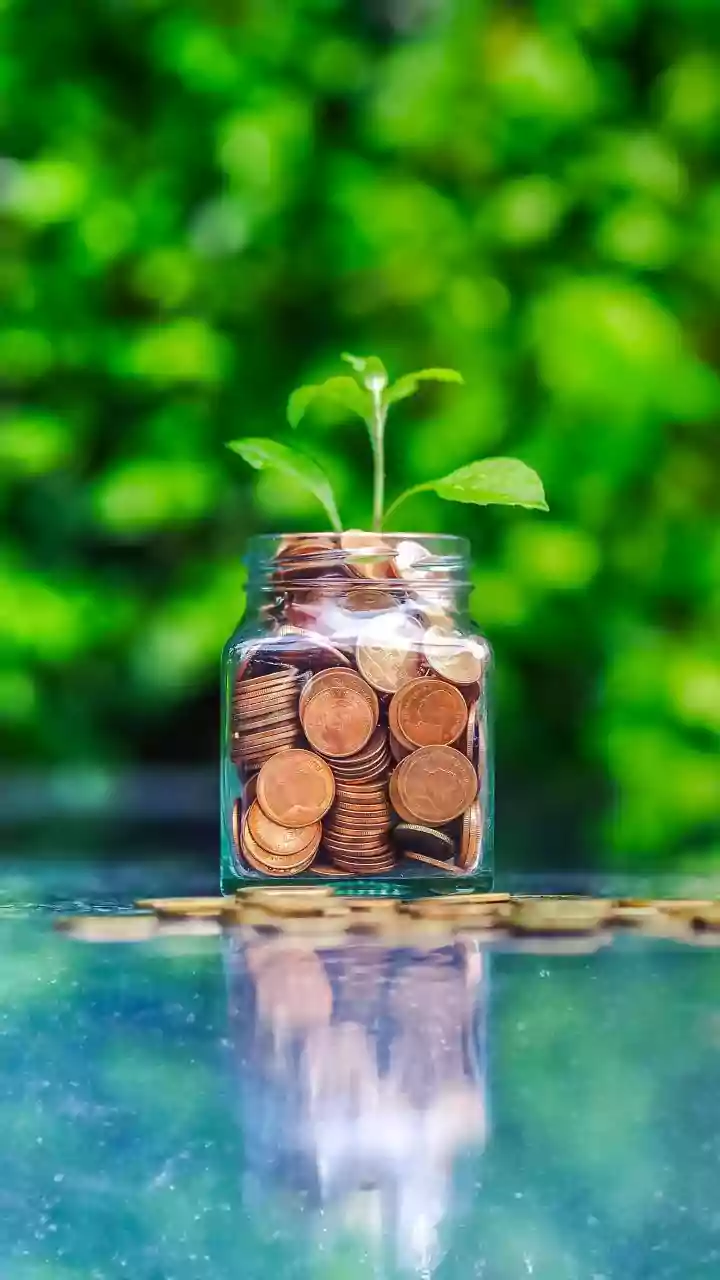
Let's put it all together. Imagine the base price of petrol (crude, refining, freight) is ₹50 per litre. The central government adds a fixed excise duty, say ₹20. The price for the dealer is now ₹70. Then, the dealer adds their commission, perhaps ₹4, bringing the total to ₹74. On top of this ₹74, a state government might levy a 25% VAT. This adds another ₹18.50. Suddenly, the initial ₹50 base cost has ballooned to a final retail price of ₹92.50. This example illustrates how taxes by the Centre and states combined can often constitute more than 50% of what consumers pay.
Why Are Taxes So High?
The heavy taxation on petrol and diesel is a cornerstone of government finances. For both the central and state governments, these taxes represent one of the most significant and reliable sources of revenue. This income is critical for funding everything from infrastructure development like roads and bridges to social welfare programs and public services. While the high prices are a burden on the common person, from a governmental perspective, they are a vital tool for revenue generation in a country with a massive population and vast developmental needs. Because petrol and diesel have been kept outside the ambit of the Goods and Services Tax (GST), it allows both central and state governments to apply their own tax structures.