






Know Before You Go: Check Real-Time Updates
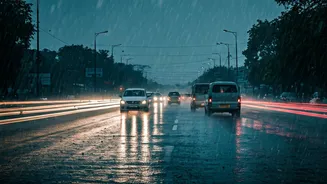
Before stepping out, the most crucial task is to get a clear picture of the situation. The India Meteorological Department (IMD) has issued alerts for heavy rainfall and strong winds across the region. This isn't just a regular rainy day; it's a significant
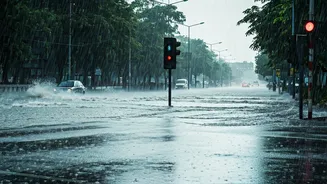
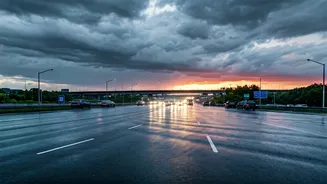
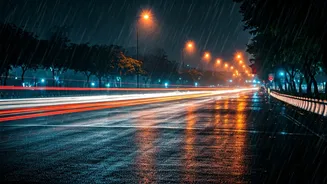
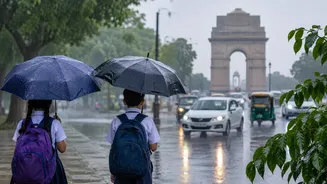
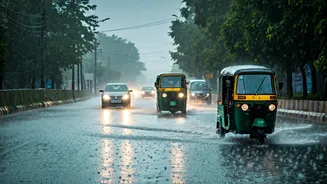
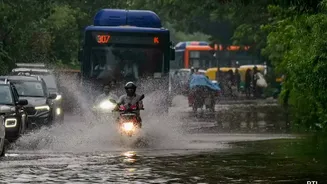
weather event causing widespread disruption. Start by checking real-time traffic updates on apps like Google Maps or Waze, which can help you identify waterlogged areas and major bottlenecks. The Delhi Traffic Police and Gurugram Traffic Police are active on social media platforms, providing timely information on diversions and road closures. Following their official handles can save you hours of being stuck. Visuals from across the region show knee-deep water in many low-lying areas, so assuming your usual route is clear would be a mistake. A few minutes of research can be the difference between a manageable journey and a frustrating ordeal.
The Metro: Your Best Bet?
In times of severe waterlogging, the Delhi Metro often stands out as the most reliable mode of transport. While road traffic comes to a standstill, the metro network largely remains operational. However, expect massive crowds as many regular road commuters will switch to the metro to avoid the flooded streets. This means longer queues and packed coaches. The Delhi Metro Rail Corporation (DMRC) may impose speed restrictions on elevated sections of the network as a safety precaution during high winds and heavy rain, which could lead to minor delays. Plan for a longer journey time than usual, even on the metro. Keep an eye on DMRC's official updates for any station closures or service disruptions, but in general, it remains the most resilient option for cross-city travel today.
Driving A Car: A Risky Proposition
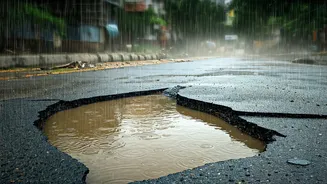
If you absolutely must drive, extreme caution is non-negotiable. The primary rule is to avoid waterlogged roads whenever possible. It is difficult to gauge the depth of standing water, which can conceal deep potholes or open manholes. As a general rule, if the water level is above the bottom of your car's doors, do not attempt to drive through it. If you find yourself on a flooded stretch, drive in a low gear (first or second) while keeping the engine revs high to prevent water from entering the exhaust pipe. Maintain a slow, steady pace without stopping, as this creates a 'bow wave' that helps push water away from the engine. Avoid sudden acceleration or hard braking. If your car stalls in water, do not try to restart it. Doing so can cause water to be sucked into the engine, leading to catastrophic and expensive damage known as hydrostatic lock. The safest action is to get out and push the vehicle to higher ground if possible.
Navigating on Two Wheels
For riders of motorcycles and scooters, the risks are even higher. Reduced visibility, slippery roads, and the hidden dangers beneath the water make for a treacherous journey. Besides the risk of your vehicle stalling, the force of water can cause a loss of balance. Potholes and debris are completely invisible, and a fall in a waterlogged street is extremely dangerous. If you must ride, ensure your helmet visor is clean for maximum visibility and wear reflective or brightly coloured gear. Be acutely aware that car and bus drivers have limited visibility too. Braking distances are significantly longer on wet roads, so maintain a much larger following distance than you normally would. The safest advice for two-wheeler riders today is simple: if you can avoid the journey, do so.
The Safest Option: Work From Home
Given the 'red alert' and advisories from authorities, the most sensible and safest course of action is to stay off the roads entirely. Many corporate offices in Gurugram and other parts of NCR have already been advised to allow employees to work from home. If your job allows for it, this is the best day to take that option. The widespread disruptions mean that even if you make it to your workplace, the journey back could be equally challenging as rains are expected to continue. Prioritising personal safety over an unnecessary commute is the smartest decision anyone in Delhi-NCR can make today. Check with your employer about remote work policies; many will be accommodating given the severe weather conditions.