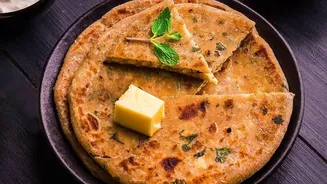






Craving a paratha that is incredibly soft, flavourful, and melts in your mouth? This Vegetable Reshmi Paratha delivers that signature 'silky' texture without needing any fancy or hard-to-find ingredients. It's comfort food made simple.
The Secret to 'Reshmi' Texture
The word 'reshmi'
translates to 'silky', which perfectly describes the texture of this famous flatbread. Traditionally, this softness comes from rich ingredients like fresh cream (malai) or cashew paste used in marinades for kebabs. However, you can achieve a wonderfully tender and pliable paratha dough using simple kitchen staples. The key lies in incorporating ingredients that add fat and moisture, ensuring the parathas stay soft long after they are cooked. This recipe uses common vegetables and a simple dough technique to create that luxurious, silky feel without the extra fuss.
Your Simple Ingredient Checklist
This recipe is divided into two parts: the dough and the vegetable filling. Most, if not all, of these ingredients are likely already in your pantry. For the dough, you will need whole wheat flour (atta), boiled and grated potatoes, a bit of oil, and seasoning like salt and chilli flakes. The boiled potato is our secret weapon; its starch helps create an exceptionally soft dough without needing cream. For the filling, a mix of finely chopped or grated vegetables works best. Carrots, peas, capsicum, and onions are excellent choices. Finely chopping the vegetables ensures they integrate smoothly into the paratha, preventing tearing when you roll them out.
Step 1: Preparing the Silky Dough
Start by preparing the dough, as it needs time to rest. In a large bowl, combine two cups of whole wheat flour with two medium-sized boiled and finely grated potatoes. Add a teaspoon of salt, a teaspoon of chilli flakes, and a tablespoon of oil. The magic happens here: combine the ingredients without adding any water initially. The moisture from the boiled potatoes will start to bring the dough together. Knead it well for about five to seven minutes. If the dough feels too dry, add lukewarm water, just one tablespoon at a time, until you have a soft, pliable, and non-sticky dough. Finally, coat the dough with a little oil, cover it with a damp cloth, and let it rest for at least 20-30 minutes. This resting period is crucial as it allows the gluten to relax, making the parathas softer and easier to roll.
Step 2: Crafting the Vegetable Filling
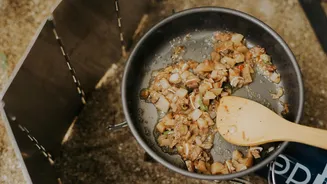
While the dough rests, prepare your vegetable filling. The key to a good vegetable paratha is a filling that is flavourful but not watery. Heat a tablespoon of oil in a pan and add a teaspoon of cumin seeds. Once they splutter, add one finely chopped onion and sauté until translucent. Add a teaspoon of ginger-garlic paste and cook for another minute. Now, add your mix of finely chopped or grated vegetables—about one cup total of carrots, peas, and bell peppers. Cook them for a few minutes until they soften slightly. Season with salt, a half teaspoon of garam masala, and red chilli powder to taste. Cook until any excess moisture has evaporated. Turn off the heat and stir in some freshly chopped coriander leaves. Allow the mixture to cool completely before you begin stuffing the parathas.
Step 3: Assembling and Rolling Your Parathas
Once the dough has rested and the filling has cooled, it's time to assemble. Divide the dough and the filling into equal-sized portions; about six to eight balls of each should work well. Take one ball of dough and flatten it into a small circle about 4–5 inches wide, using your fingers. Place one portion of the vegetable filling in the centre. Carefully bring the edges of the dough together to cover the filling, pinching them at the top to seal the ball completely. Gently flatten the stuffed ball with your palm. Lightly dust your rolling surface with flour and carefully roll the stuffed dough into a paratha of about 6–7 inches in diameter. Roll gently from the centre outwards to ensure the filling spreads evenly and doesn't tear the dough.
Step 4: Cooking to Golden–Brown Perfection
Heat a tawa or a flat–bottomed skillet over medium–high heat. Place the rolled paratha on the hot tawa. Let it cook for about a minute, or until you see small bubbles appear on the surface. Flip it over and apply a little ghee or oil to the half–cooked side. Flip it again after another 30–40 seconds and apply ghee or oil to the other side. Press down gently with a spatula to help it cook evenly, until both sides are golden–brown and crisp. The parathas will cook quickly, so keep a close watch. Stacking the cooked parathas on top of each other will help them retain their softness.