



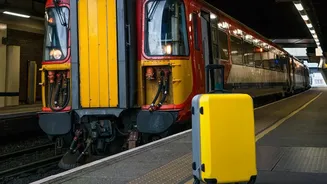

Secure Your Luggage Like a Pro
Your first line of defense is securing your main luggage. Sleeper class coaches have metal loops or rails under the lower berths for this exact purpose. Invest in a sturdy bicycle chain and a reliable padlock. Before settling in for the night, thread
the chain through your bag’s handle and lock it securely to the berth’s frame. This simple act prevents snatch-and-run theft, which is the most common concern. For zippers on your bags, use smaller combination locks as an added deterrent. Always store your primary luggage under the lower berth, as it's the most secure spot.
Keep Valuables in a 'Go Bag'
Never leave valuables like your wallet, phone, passport, and electronics in your main luggage. Instead, use a small daypack or crossbody bag that stays with you at all times. When you sleep, this 'go bag' should be used as a pillow or kept inside your blanket or sleeping bag liner, close to your body. This ensures your most critical items are always within reach and protected. Avoid flashing expensive gadgets, as this can draw unwanted attention. A little discretion helps you blend in and travel with more peace of mind.
Choose Your Berth Wisely
If you have the option when booking, choose an upper berth. It offers the most privacy and is generally considered the safest spot, as it's difficult for anyone to access your space or belongings while you sleep. You also won't be disturbed by other passengers wanting to sit on the berth during the day. The middle berth is another option, with railway rules stipulating it can be used for sleeping between 10 PM and 6 AM. While the lower berth is convenient for access, it's the most exposed, making the upper berth a superior choice for security-conscious travelers.
Pack for Comfort and Hygiene
Sleeper class does not provide bedding, so packing for comfort is crucial for a good night's rest. A lightweight blanket, shawl, or a sleeping bag liner is essential, as nights can get chilly. An inflatable travel pillow provides neck support, and an eye mask and earplugs can block out light and noise. For hygiene, pack toilet paper, wet wipes, and hand sanitizer, as these essentials often run out in train bathrooms. Wearing flip-flops to the restroom is also a good practice. Having these items on hand means you don't have to rely on the train's limited amenities.
Stay Powered and Prepared
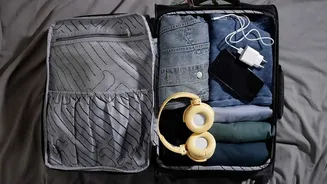
While some coaches have charging points, they are often in high demand or may not work. A fully charged power bank is non-negotiable for a long journey to keep your phone and other devices running. It's also wise to download entertainment like movies or music before you board, as train Wi-Fi is unreliable. For navigation, apps like 'Where is my Train' can work offline using cell towers and can even set an alarm to wake you before your station arrives, which is incredibly useful for midnight or early morning stops.
Food, Water, and General Awareness
Always carry your own reusable water bottle and more water than you think you'll need, in case of delays. Pack your own snacks like fruits, nuts, or biscuits. While food is available on trains, sticking to official pantry car staff or packaged goods is safer than buying from unofficial vendors who hop on at stations. Be polite but cautious in conversations with fellow travelers and avoid sharing personal details. It is strongly advised not to accept food or drinks from strangers. Your awareness of your surroundings is one of your most effective safety tools.