









Supercharging Climate Models
Traditional climate models are essential for predicting the long-term effects of global warming, but they are incredibly complex and slow. Running a single simulation can take weeks on a supercomputer, consuming enormous amounts of energy. This is where
AI makes a dramatic difference. Machine learning models can be trained on data from these traditional physics-based simulations. Once trained, they can produce high-resolution projections in a fraction of the time—sometimes compressing decades of computational work into mere hours. For example, the AI2 Climate Emulator (ACE) accelerates climate simulations by a factor of 1,000 while using 10,000 times less power. This speed allows scientists to run many more scenarios, testing the potential impacts of different emissions levels and mitigation strategies far more rapidly than ever before.
Predicting Nature's Fury
Beyond long-term projections, AI is revolutionising short-term extreme weather forecasting. As climate change makes events like hurricanes, heatwaves, and floods more frequent and intense, the ability to predict them accurately is critical for saving lives and property. AI algorithms excel at identifying patterns in vast atmospheric datasets that can signal the formation of severe weather. Researchers are developing models that can forecast the paths of storms with greater accuracy and efficiency, even in regions with limited data resources. While traditional models are still considered superior for forecasting record-breaking events, AI models like Google DeepMind's WeatherNext and NVIDIA's HENS are significantly faster and can extend the forecast window for many high-impact events from hours to days.
Making Emissions Visible
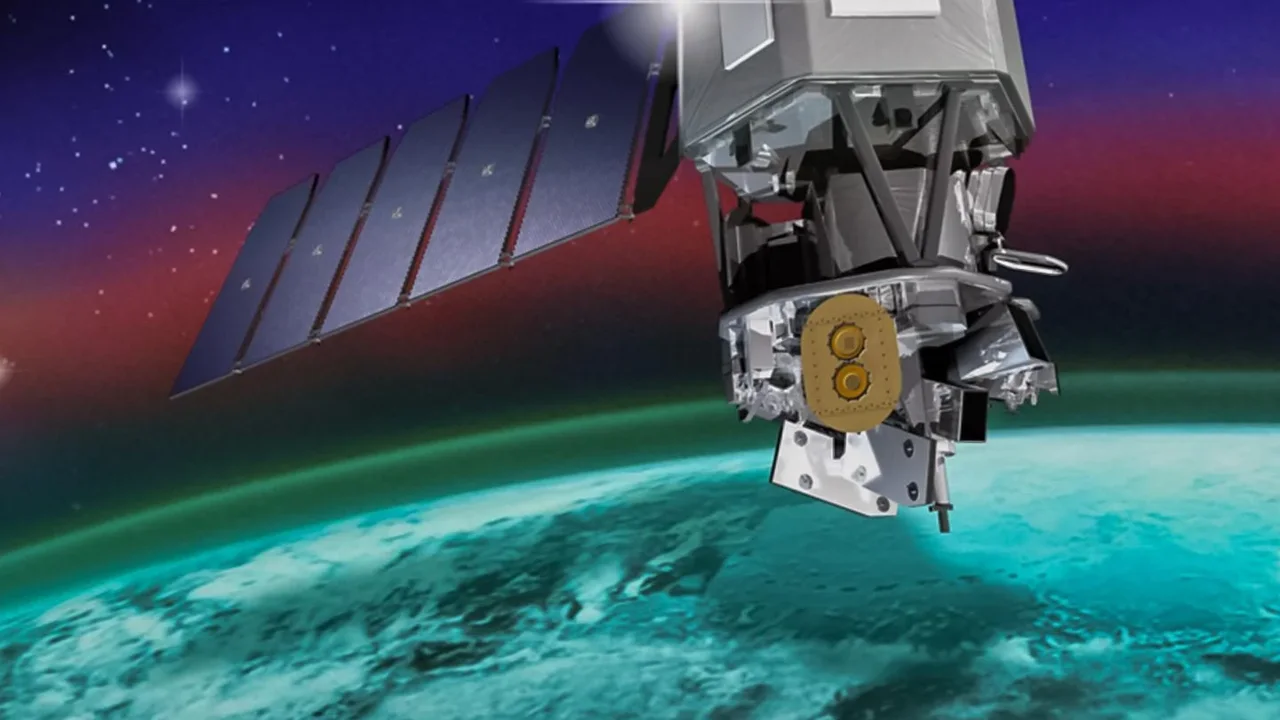
Effective climate action requires a clear understanding of where greenhouse gas emissions are coming from. Traditional methods of carbon accounting are often manual, slow, and prone to error. AI is transforming this process by automating data collection and analysis. AI-powered platforms can process millions of data points from supply chains, manufacturing facilities, and transport to calculate a company's carbon footprint with unprecedented speed and accuracy, in some cases reducing weeks of manual work to minutes. Coalitions like Climate TRACE use satellite imagery and machine learning to independently monitor emissions from over 745 million sources worldwide, providing a transparent, global view of emissions that holds corporations and governments accountable.
A Critical Tool for India
For India, a nation uniquely vulnerable to climate change, these AI-driven advancements are not just academic. They are essential tools for building resilience. In 2025, an AI-powered forecast accurately predicted the onset of the monsoon season up to four weeks in advance, reaching 38 million farmers and allowing them to make critical planting decisions. AI is also being used to improve cyclone forecasts and manage renewable energy. The integration of AI weather models into India's electricity grid operations is helping manage the fluctuating output of solar and wind power, supporting the country's ambitious goal of installing 500 gigawatts of renewable capacity by 2030. Other local applications include using AI to detect groundwater contamination and delivering hyper-local crop advisories to smallholder farmers.