




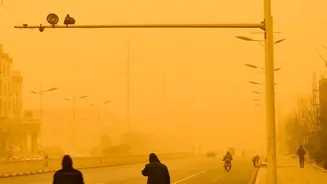

As winter approaches in India, the joy of cooler weather is often dampened by a familiar grey haze. For parents, this raises a crucial question: when is it safe for children to play outside? This guide helps you understand the numbers and make smart choices.
What is the Air Quality Index (AQI)?
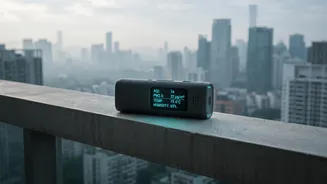
The Air Quality Index, or AQI, is a simple tool designed to communicate how polluted the air is. Launched in India by the Central Pollution Control Board (CPCB), it converts complex data about multiple pollutants into a single number, with a corresponding color and category. The system primarily measures eight major pollutants, including fine particulate matter known as PM2.5 and PM10, which are among the most harmful. Think of it as a health thermometer for the air. A higher AQI value means greater pollution and a bigger health risk. The final AQI number you see on an app or website is determined by the pollutant with the highest reading at that time.
Why Children Are More Vulnerable
Air pollution is not an equal-opportunity threat; children are uniquely susceptible to its dangers. Their lungs are still developing, and this growth can be stunted by exposure to pollutants. Children also breathe more rapidly than adults, taking in more air—and more pollutants—relative to their body weight. Furthermore, they often spend more time playing outdoors, where they are more active and inhale deeper. These tiny PM2.5 particles are small enough to bypass the body's natural filters, lodging deep in the lungs and even entering the bloodstream, which can lead to respiratory issues, trigger asthma, and affect overall development.
Decoding India's AQI Categories
To make informed decisions, it’s essential to understand the CPCB's six categories. Each level comes with a health advisory. - Good (0-50): The air is clean. It’s a great day for all outdoor activities. - Satisfactory (51-100): Air quality is acceptable, but it may cause minor breathing discomfort for very sensitive people. - Moderate (101-200): This can cause breathing discomfort for people with lung conditions like asthma, as well as for children and older adults. It's wise to reduce prolonged or strenuous exertion. - Poor (201-300): Expect breathing discomfort on prolonged exposure. This is a clear signal to limit time outdoors, especially for strenuous games. - Very Poor (301-400): This air quality can lead to respiratory illness after extended exposure. Outdoor activity should be avoided. - Severe (401-500+): This is a health emergency. The air is hazardous and affects even healthy people. All outdoor physical activity must be stopped. Stay indoors.
A Practical Playtime Guide by AQI Level
So, should they play or should they stay? Use this as a simple rule of thumb: - AQI 0-100 (Good to Satisfactory): Green light! Let them run, play, and enjoy the outdoors without restriction. - AQI 101-200 (Moderate): Proceed with caution. Shorter, less intense activities are fine for most children. If your child has asthma or allergies, it’s better to limit their time outside or monitor them closely. - AQI 201-300 (Poor): It's best to shift activities indoors. If they must be outside, make it for a very short duration and avoid strenuous exercise like running or cycling. Consider this an 'indoor play' day. - AQI 301+ (Very Poor to Severe): Keep children indoors. Period. At these levels, even short exposure can be harmful. It's crucial to keep windows and doors closed.
Beyond the Daily Check: Smart Strategies
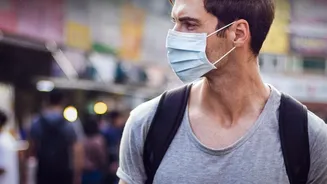
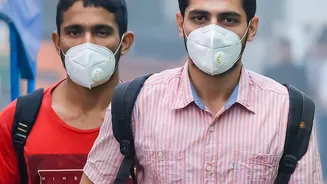
Managing exposure isn't just about a single daily decision. Incorporate these habits during the winter months. 1. Check Real-Time AQI: Pollution levels can change throughout the day. Use reliable apps like the CPCB’s 'SAMEER' to get live readings for your specific area. 2. Time it Right: If you must go out, aim for the time of day when the sun is brightest, typically in the early afternoon. Pollution levels are often highest in the early morning and after sunset. 3. Choose Your Location Wisely: Playgrounds away from heavy traffic and construction sites are better choices. 4. Mask Up When Necessary: For older children, a well-fitting N95 mask can offer significant protection when venturing out in 'Poor' or 'Very Poor' air. Simple cloth or surgical masks are not effective against PM2.5 particles. 5. Focus on Indoor Air: The majority of a child's time is spent indoors. Use a HEPA-filter air purifier, especially in the bedroom, to significantly reduce indoor pollutants. Avoid burning incense and use exhaust fans while cooking.