



Start by Reading the Label
The single most powerful skill for choosing a better snack is learning to read the nutrition label. Ignore the splashy claims on the front of the package like "all-natural" or "made with real fruit," as these are often marketing terms with little regulated
meaning. Flip the pack over and focus on the ingredient list and the Nutrition Facts panel. The ingredients are listed by weight, so the first few items make up the bulk of the product. A shorter, more recognizable ingredient list is generally a positive sign. If the list reads like a recipe you could make at home rather than a lab experiment, you're on the right track. Also, pay close attention to the serving size, as manufacturers sometimes use unrealistically small servings to make the calorie and sugar counts seem lower.
Prioritise Protein and Fibre
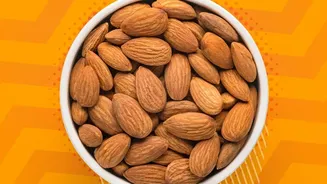
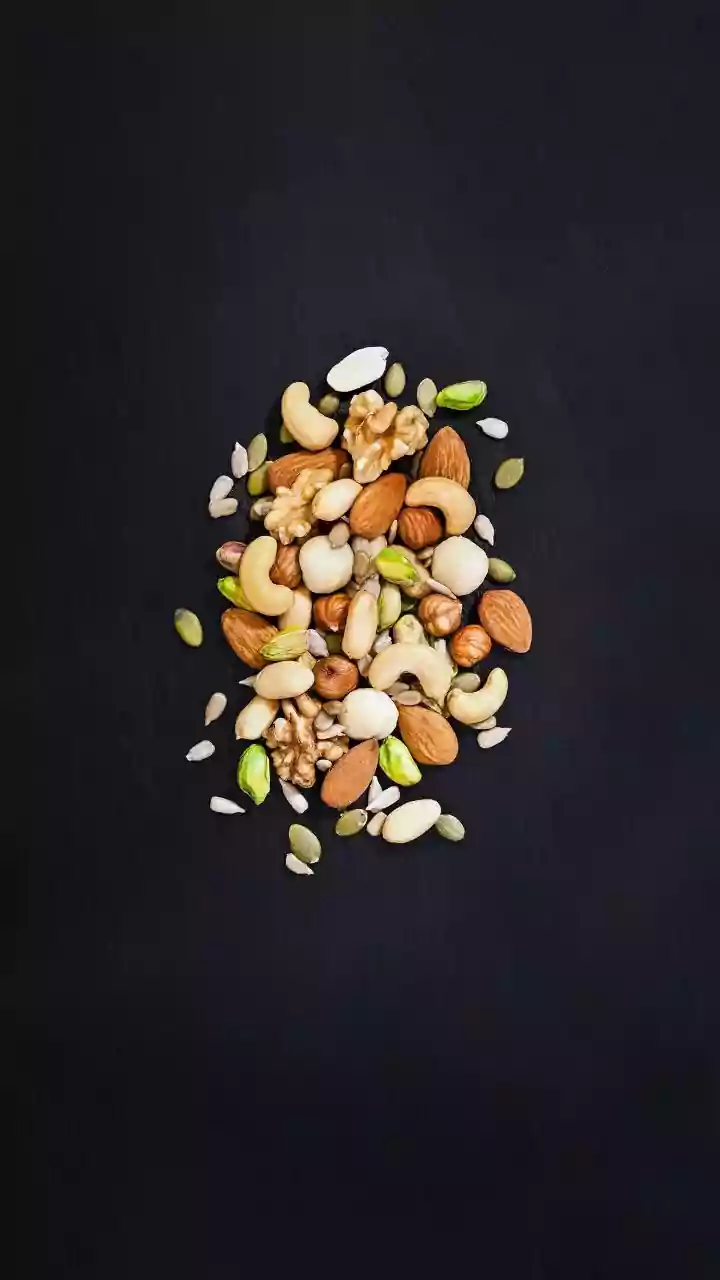
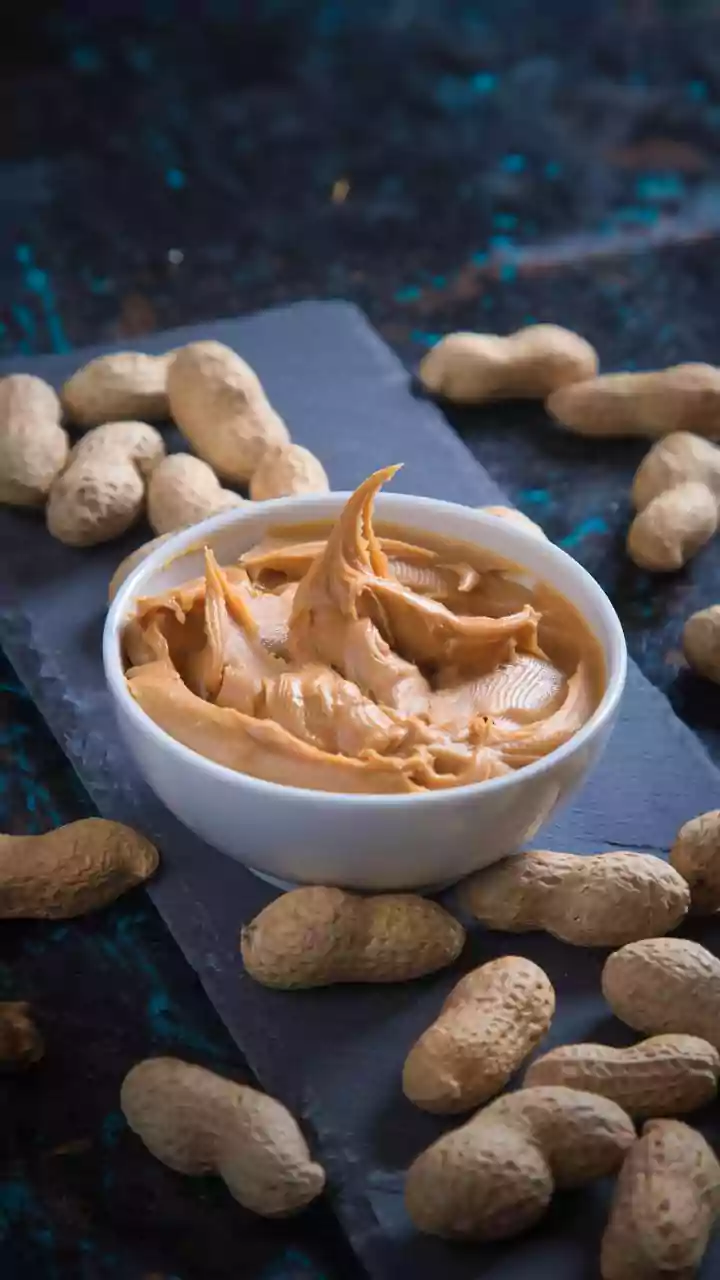
For a snack to be truly satisfying and prevent you from overeating later, it needs to have staying power. This comes from two key nutrients: protein and fibre. Both protein and fibre contribute to a feeling of fullness, or satiety, which helps manage appetite and maintain stable energy levels between meals. When you consume snacks rich in these nutrients, you're less likely to experience the sharp energy crash that often follows sugary, refined snacks. Look for snacks that incorporate ingredients like nuts, seeds, whole grains, or pulses (like chickpeas). These foods are naturally high in both protein and fibre, making them excellent choices for keeping hunger at bay.
Keep an Eye on Added Sugar
Excess sugar is one of the biggest pitfalls of packaged snacks. It's crucial to distinguish between naturally occurring sugars (like those in whole fruit or milk) and "added sugars." Added sugars are sweeteners introduced during processing and include everything from table sugar and corn syrup to honey and concentrated fruit juice. The updated Nutrition Facts label now includes a specific line for "Added Sugars," making them easier to spot. Guidelines suggest limiting added sugars to less than 10% of your total daily calories. For a 2,000-calorie diet, that's about 50 grams (or 12 teaspoons) per day. A snack with 5% or less of the Daily Value (DV) for added sugars is considered low.
Choose Whole Grains Over Refined Ones
Many popular snacks like biscuits, crackers, and chips are made from refined grains (like maida or white flour), which have been stripped of their most nutritious parts—the bran and germ. This process removes valuable fibre, vitamins, and minerals. A better choice is a snack made from whole grains, such as whole wheat, oats, ragi, jowar, or quinoa. Whole grains contain all three parts of the grain kernel, providing more fibre, protein, and essential nutrients. This not only improves digestion but also helps in better blood sugar control and can lower the risk of chronic diseases. Check the ingredient list to ensure "whole grain" or "whole wheat" is one of the first items listed, not just a minor addition for marketing purposes.
Mind the Salt and Unhealthy Fats
Sodium is often used in high amounts in packaged foods as a flavour enhancer and preservative. While some sodium is necessary for bodily functions, excessive intake can contribute to high blood pressure and other health issues. A food is considered high in salt if it has more than 1.5g of salt (or 0.6g of sodium) per 100g. Similarly, pay attention to the type of fat. Avoid snacks containing trans fats, often listed as "partially hydrogenated oils" in the ingredients. Instead, look for snacks with healthy fats derived from sources like nuts, seeds, and olive oil. Roasting or baking is generally a healthier preparation method than frying, as it avoids excess oil absorption.