

An Upgrade from the Everyday Roti
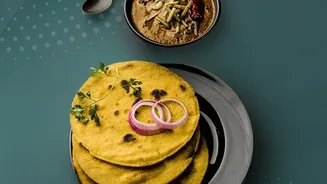
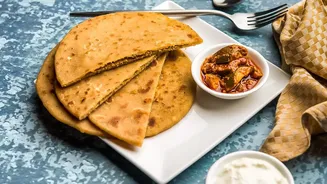
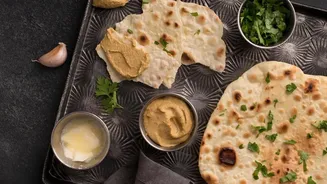
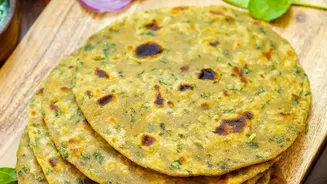
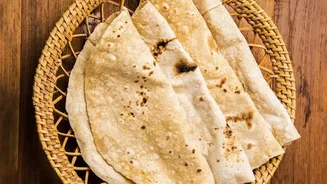
For generations, the rhythm of the Indian kitchen has been set by the daily making of flatbreads like roti, chapati, or phulka. These are staples, the reliable and healthy companions to dal and sabzi. Naan and kulcha, on the other hand, have traditionally
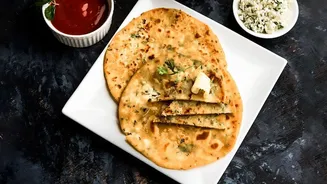
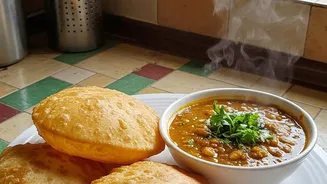
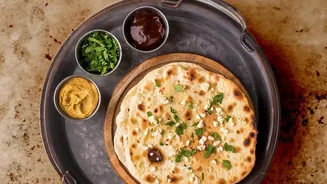
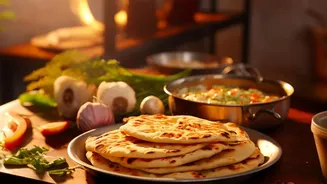
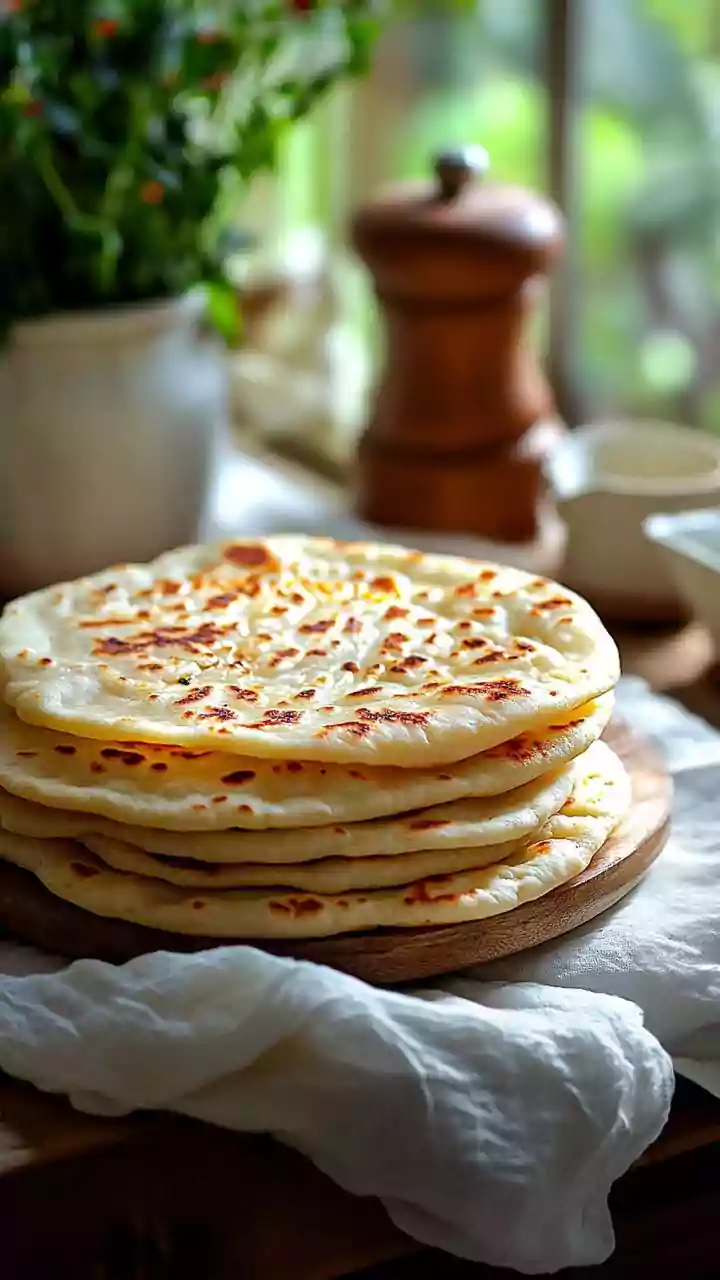
been special-occasion breads. Made with refined flour (maida), often leavened with yeast or curd, and historically requiring a tandoor, they were something you went out for. The current trend signifies a major shift in that mindset. What was once considered a restaurant-exclusive luxury is now becoming an aspirational, yet achievable, project for home cooks. It reflects a desire to elevate the home dining experience from purely functional to something more celebratory and indulgent, even on a regular Tuesday night.
How Lockdown Spurred a Culinary Revolution
The seeds of this trend were heavily watered during the COVID-19 pandemic. With restaurants closed and people confined to their homes, a wave of ambitious home cooking swept the nation. Unable to go out for their favourite meals, people started trying to replicate them. Baking, in particular, became a form of therapy and a rewarding family activity. This period demystified many complex culinary processes. What began with baking sourdough and Dalgona coffee soon evolved into mastering other challenging recipes. Home cooks, armed with extra time, began tackling dishes they previously found intimidating, including restaurant-style breads, and discovered it was not as difficult as they had imagined.
The Rise of the Instagram Home Chef
Social media has been a powerful catalyst in this movement. Platforms like Instagram and YouTube are flooded with step-by-step video tutorials that break down the process of making naan or kulcha at home, often without a tandoor. Influencers and food bloggers share their hacks for achieving that perfect puffiness on a regular tawa (griddle) or in a pressure cooker. This visual, accessible guidance has empowered countless home cooks, giving them the confidence to try. Seeing a peer successfully pull off a fluffy, restaurant-quality kulcha makes it feel attainable. This has fostered a vibrant online community of baking enthusiasts who share tips, celebrate successes, and turn home cooking into a performative and shared passion.
The Modern Kitchen: Equipped for More
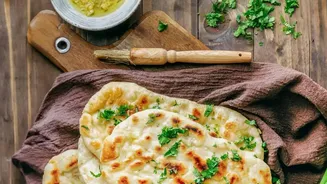
This trend is also supported by better access to ingredients and modern kitchen appliances. Specialised flours, high-quality yeast, and other baking essentials are more readily available in local stores and online than ever before. Furthermore, the modern Indian kitchen is increasingly well-equipped. While traditional tandoors are rare, the proliferation of convection microwave ovens, air fryers, and even simple cast-iron pans has provided home cooks with the tools they need to approximate tandoor-like results. Recipes have been adapted for this new reality, providing clever techniques to create the signature char and softness that defines a good naan, making the process more accessible to everyone.
More Than a Meal, It's an Experience
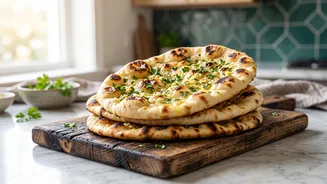
Ultimately, the decision to make naan or kulcha at home is about more than just food; it's about creating an event. It transforms a simple dinner into a special occasion. There's a sense of pride and accomplishment in serving a platter of homemade, butter-laden garlic naan alongside a rich curry. It is a way for home cooks to showcase new skills and treat their families to something special without the expense of eating out. This shift reflects a broader change in Indian food culture, where home kitchens are becoming spaces of creativity, experimentation, and shared joy, blurring the lines between everyday food and celebratory feasts.