







From Pet Owners to ‘Pawrents’
The single biggest driver behind the luxury pet food boom is a profound cultural shift known as 'pet humanization'. Across India, especially in urban areas, the dynamic is changing from pet ownership to pet parenting. A 2024 report highlighted that a remarkable
57% of Indian owners now consider their pets to be full-fledged family members. When a dog or cat is seen as a child or a sibling, the standard of care and the willingness to spend on their wellbeing naturally skyrockets. This is particularly true for millennial and Gen Z pet parents, who are fuelling demand for products and services that mirror their own lifestyle choices and values. This shift means that decisions about pet care, especially nutrition, are becoming more considered and emotional.
What’s on the Luxury Menu?
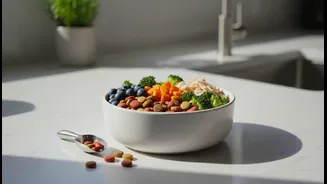
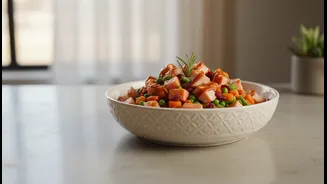
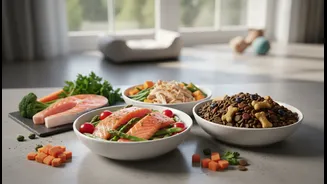
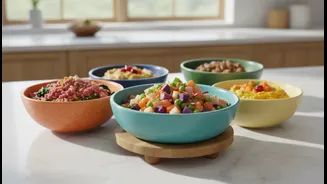
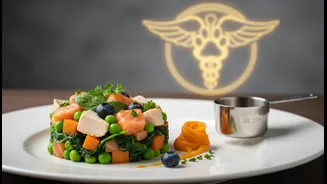
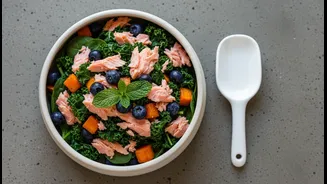
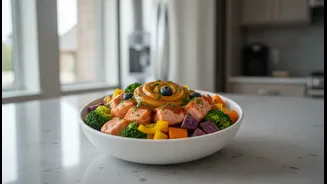
The new luxury era is defined by a move away from highly processed pellets toward options that sound like they could be on a human's dinner menu. The options are diverse and growing. Fresh-cooked food subscriptions, like those from Muttley Crew and Fresh For Paws, deliver portioned, ready-to-eat meals made with human-grade ingredients. These often feature gently cooked lean meats, vegetables, and supplements formulated by nutritionists. Other popular formats include grain-free formulas, raw food diets (often called BARF or 'Biologically Appropriate Raw Food'), and treats made from exotic ingredients like Atlantic salmon and quail eggs. Even pet bakeries are becoming common, offering customised cakes and cookies for special occasions.
Mirroring Human Wellness Trends
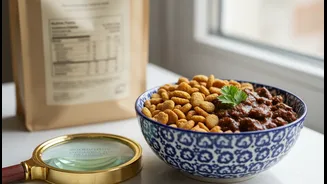
For many pet parents, the journey into premium care begins with the food bowl, often reflecting their own dietary ideals. The same trends dominating human wellness—clean eating, natural ingredients, transparency, and gut health—are now shaping the pet food market. Owners are meticulously researching ingredients and seeking out breed-specific or life-stage-specific formulas. There's a rising demand for products that are free from artificial preservatives, fillers, and common allergens. This has led to a surge in functional foods and supplements that promise benefits like a shinier coat, better digestion, or improved joint health. This desire for 'clean labels' is pushing manufacturers to be more transparent about their sourcing and production processes.
Is It Better for Your Pet?
While the marketing is compelling, the crucial question remains: is fresh, luxury food genuinely better than traditional kibble? Many veterinarians agree that fresh, less-processed food can have benefits, especially for digestibility and moisture content. However, they also caution that the single most important factor is whether a diet is complete and nutritionally balanced. Some vets express concern that not all boutique brands have a certified veterinary nutritionist on staff or conduct rigorous feeding trials. The consensus among experts is that a well-formulated kibble from a reputable brand can be perfectly healthy, while a poorly balanced fresh diet can be detrimental. Before making a switch, especially for pets with health issues, consulting a veterinarian is crucial.