


Why the Hustle is Here to Stay
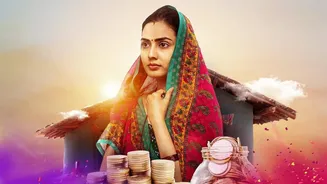
The dream of a single, stable job for life is rapidly being replaced by the reality of a 'portfolio career'. For a growing number of Indians, a side hustle is no longer a hobby, but a core part of their financial and professional identity. The motivations
are as diverse as the population itself. For many, it's a direct response to rising living costs and economic uncertainty; a second income stream provides a crucial financial cushion. A recent survey revealed that 58% of Indian employees either have or are seeking a second job to supplement their income. Beyond necessity, there's a powerful pull towards passion and autonomy. Young professionals, in particular, are driven by the desire to be their own boss and monetise skills that their day jobs may not utilise. This cultural shift, accelerated by the flexibility of remote work, is turning India into one of the world's most active side-hustle economies.
The Most Popular Side Gigs
When it comes to side hustles, the digital world offers the most fertile ground. Freelancing is a dominant force, with professionals offering services in content writing, graphic design, web development, and digital marketing. The creator economy has also exploded, with individuals building personal brands and generating revenue through YouTube channels, Instagram, and blogging. Other popular avenues include online tutoring, selling handmade goods or dropshipping products, and providing virtual assistance. These digital-first ventures have low startup costs and offer the flexibility to work from anywhere. From tech reviews and cooking channels earning lakhs per month to part-time social media managers helping local businesses, Indians are finding countless ways to turn their expertise and spare time into a viable source of income.
The Digital Enablers
This boom wouldn't be possible without a robust ecosystem of digital platforms that connect talent with opportunity. Global marketplaces like Upwork, Fiverr, and Freelancer.com have become gateways for Indian freelancers to find clients from around the world. These platforms offer a structured environment for bidding on projects, managing payments securely, and building a professional portfolio. For content creators, YouTube and Instagram provide the tools for audience building and monetisation through ads and brand collaborations. E-commerce has been democratised by platforms that allow individuals to sell products without needing to manage inventory. The rise of AI tools is further amplifying this trend, helping side entrepreneurs with idea generation, content creation, and marketing.
The Reality of the Grind
While the promise of extra income and creative freedom is alluring, the reality of a side hustle involves significant challenges. The biggest hurdle is often time management and the risk of burnout. Juggling a full-time job with a side venture requires immense discipline and can blur the lines between work and personal life. Income can be inconsistent, especially in the beginning, and freelancers often lack the social security benefits associated with traditional employment, such as health insurance and paid leave. The market is also highly competitive, demanding persistence and continuous skill development to stand out. Furthermore, navigating legal aspects like employment contract clauses on 'moonlighting' and understanding tax obligations adds another layer of complexity to the entrepreneurial journey.