




An Autumn Affair: The Himalayan Cherry Blossom
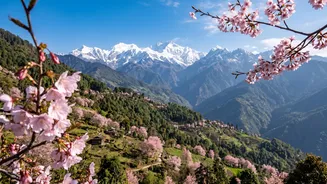
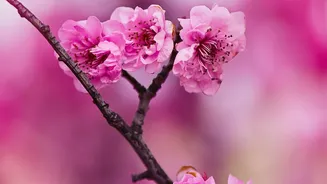
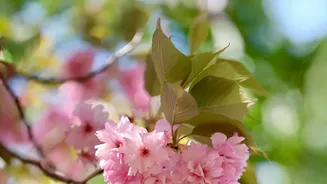
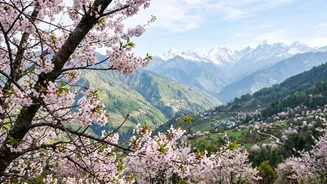
While most of the world associates cherry blossoms with spring, Sikkim celebrates these delicate flowers from late October through November. The star of the show is the Prunus cerasoides, or Wild Himalayan Cherry, which puts on a spectacular display against
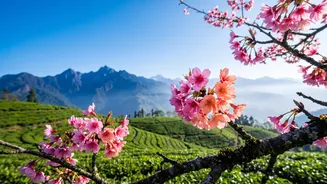
the backdrop of crisp, clear autumn skies. This rare autumn bloom transforms the landscape into a dreamlike canvas of pink and white. The epicentre of this natural extravaganza is the Temi Tea Garden in South Sikkim, the state's only tea estate. Here, avenues of cherry trees burst into flower, their pink canopies creating a stunning contrast with the lush green tea bushes below. It’s a photographer’s paradise and a serene escape for nature lovers.
The Sikkim Cherry Festival 2026
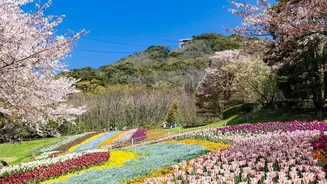
To celebrate this unique bloom, Sikkim hosts the annual Cherry Festival. In 2026, the festivities are scheduled to take place at Temi, with different reports suggesting dates between November 14 and November 28. Organised by local tourism bodies in association with the Temi Tea Estate, the festival is a vibrant showcase of local culture. Visitors can expect a lively atmosphere filled with traditional music and dance performances, stalls offering delicious Sikkimese cuisine, and exhibitions of organic produce. For the more adventurous, there are often opportunities for paragliding, mountain biking, and guided walks through the blossom-lined slopes of the tea garden. Given the popularity of the festival, it's wise to book accommodation in nearby towns like Temi, Namchi, or Ravangla well in advance.
Beyond the Blossoms: Autumn's Bounty
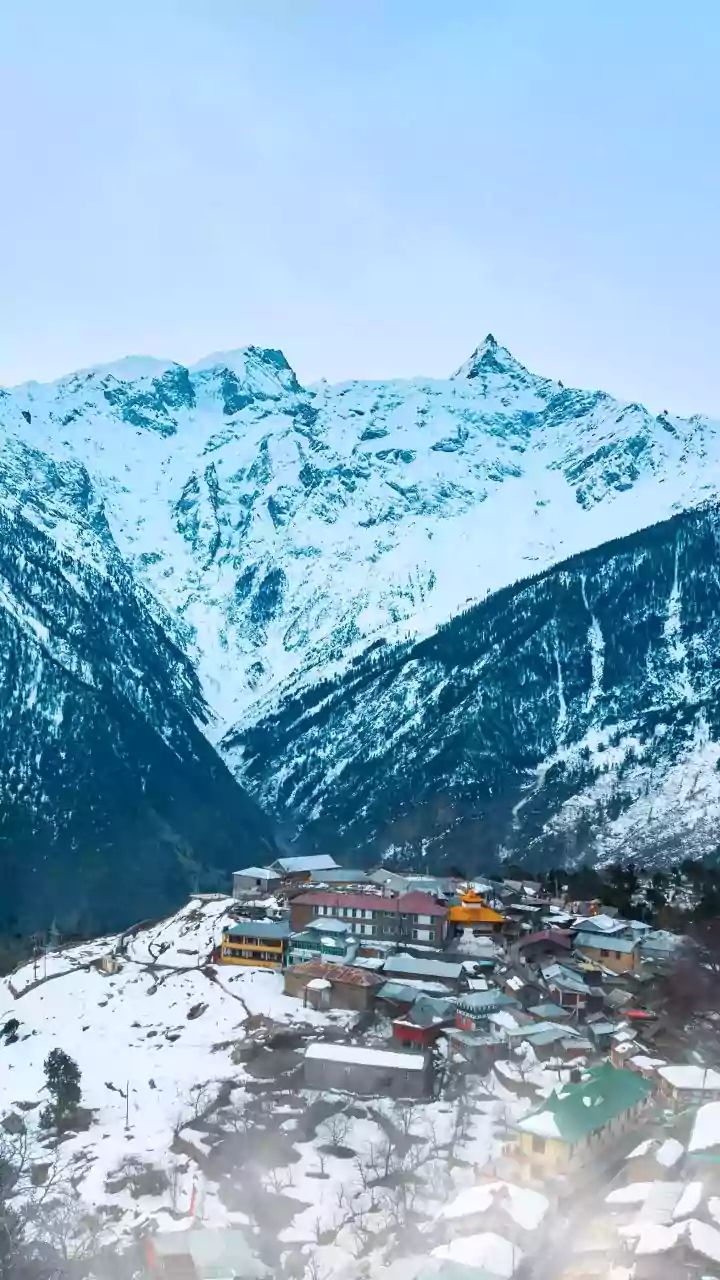
Autumn (October to early December) is widely considered the best time to visit Sikkim for reasons that go beyond the cherry blossoms. The monsoon rains wash the atmosphere clean, revealing the sharpest and most spectacular views of the Kanchenjunga mountain range. The weather is generally dry and pleasant, with comfortable daytime temperatures perfect for sightseeing. This season is ideal for trekking, with popular trails like the Dzongri-Goecha La trek offering clear paths and uninterrupted panoramas. Key destinations like Gangtok, Pelling, and Lachung are easily accessible, and the state’s many monasteries, including the famous Rumtek and Pemayangtse, are serene to explore. Roads are generally in good condition, making it a great time for road trips across the region.
Planning Your Trip: A Practical Guide
To make the most of your autumn trip to Sikkim, a little planning goes a long way. A typical itinerary of 7 to 9 days allows for a good mix of experiences, from the capital city of Gangtok to the blossom heartland in the south.Getting There: The nearest airport is Pakyong (PYG) in Sikkim, though Bagdogra (IXB) in West Bengal offers more flight connections and is about a 4-5 hour drive from Gangtok. The closest major railway station is New Jalpaiguri (NJP).What to Pack: Days can be sunny and pleasant, but mornings and evenings are cold, especially at higher altitudes. Pack layers, including thermals, fleece jackets, and a warm insulated jacket. Comfortable walking shoes are a must, as is sunblock for the bright high-altitude sun.Permits: Remember that visiting protected areas like Tsomgo Lake, Nathula Pass, and North Sikkim requires a Protected Area Permit (PAP), which can be arranged through registered travel agents in Sikkim.