






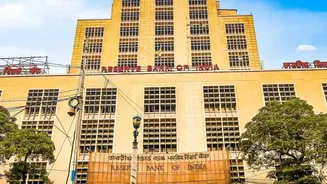

The prospect of rising interest rates can be worrying for anyone with a home loan. If you have a floating rate loan, you might be wondering what it means for your monthly budget. Let's break down what’s happening and what you can do about it.
What Is a Floating Interest Rate?
Most home
loans in India today have a floating interest rate. Unlike a fixed rate, which stays the same for a set period, a floating rate can change over time. Since October 2019, the Reserve Bank of India (RBI) has mandated that banks link new floating-rate loans to an external benchmark. For most home loans, this benchmark is the RBI's repo rate. This system is known as the External Benchmark Lending Rate, or EBLR. Your final interest rate is the EBLR plus a 'spread' or margin that the bank adds. This structure makes rate changes very transparent: when the RBI adjusts the repo rate, your loan rate moves with it at the next reset date, which is at least once every three months.
Why Are Rates Expected to Rise?
Central banks like the RBI use the repo rate as a primary tool to manage the economy. To control inflation (rising prices), the RBI may increase the repo rate. This makes borrowing more expensive for commercial banks, a cost they pass on to customers through higher loan rates. As of November 2026, recent data showed retail inflation rising to 6.09% in October, which is above the RBI's comfort level of 6%. This has led many economists to predict that the RBI will continue its 'calibrated tightening' stance, potentially raising the repo rate further in its upcoming policy meetings. Forecasts suggest the repo rate, currently at 5.50%, could increase by another 50-75 basis points over the current cycle.
The EMI vs. Tenor Question
When your floating interest rate increases, your bank must adjust your loan. This is typically done in one of two ways: by increasing your Equated Monthly Instalment (EMI) or by extending your loan's repayment period (tenor). Many banks default to extending the tenor while keeping the EMI the same, as this is often easier for borrowers to manage monthly. However, this isn't always the best option. A longer tenor means you end up paying significantly more in total interest over the life of the loan. For example, an increase of just 0.25% on a ₹50 lakh loan for 20 years could raise the EMI by about ₹775, but if the tenure is extended instead, the loan could run for an extra year, costing much more in the long run. Banks must offer you a choice, so it's crucial to read every communication from your lender.
Your Options as a Borrower
Feeling anxious? Don't be. You have several proactive steps you can take. The most powerful option is to voluntarily increase your EMI to keep the original tenor. This minimises the total interest you pay. Another effective strategy is to make partial prepayments whenever you have surplus funds, like a bonus. Since floating rate home loans for individuals generally don't have prepayment penalties, this is a great way to reduce your principal and shorten the loan term. Even small, regular increases in your EMI can cut years off your loan and save lakhs in interest.
Should You Switch Lenders or Rates?
If another lender is offering a significantly lower interest rate, a 'balance transfer' could be a smart move. This involves moving your outstanding loan to a new bank. While this can lead to substantial savings, be sure to calculate the total cost, including processing fees and other charges, to ensure the benefit is real. A balance transfer makes the most sense when you are early in your loan tenure. Another option is to switch from a floating to a fixed rate with your current lender. However, fixed rates are typically 1-3% higher than floating rates to begin with, so this is often expensive insurance. This choice only pays off if you believe rates will rise dramatically and stay high for a long time.