




The Myth of the Monsoon Shutdown
Conventional wisdom says India’s national parks close from July to September. While it’s true that many core zones of major tiger reserves shut down to protect the habitat during the breeding season, this doesn't mean the safari season is over. A significant
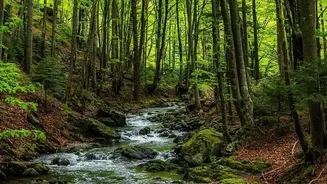
number of parks keep their buffer zones or specific tourism gates open, offering a completely different and arguably more magical experience. The forest is reborn, with emerald landscapes, dramatic skies, and a unique freshness in the air. With fewer tourists, safaris feel more intimate and unhurried, allowing for a deeper connection with nature.
Periyar National Park, Kerala
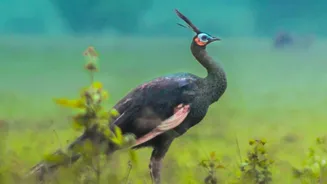
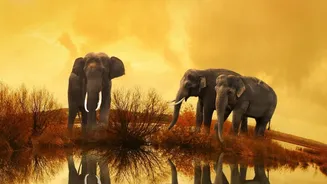
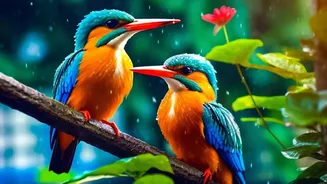
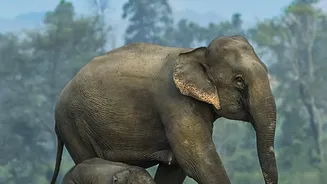
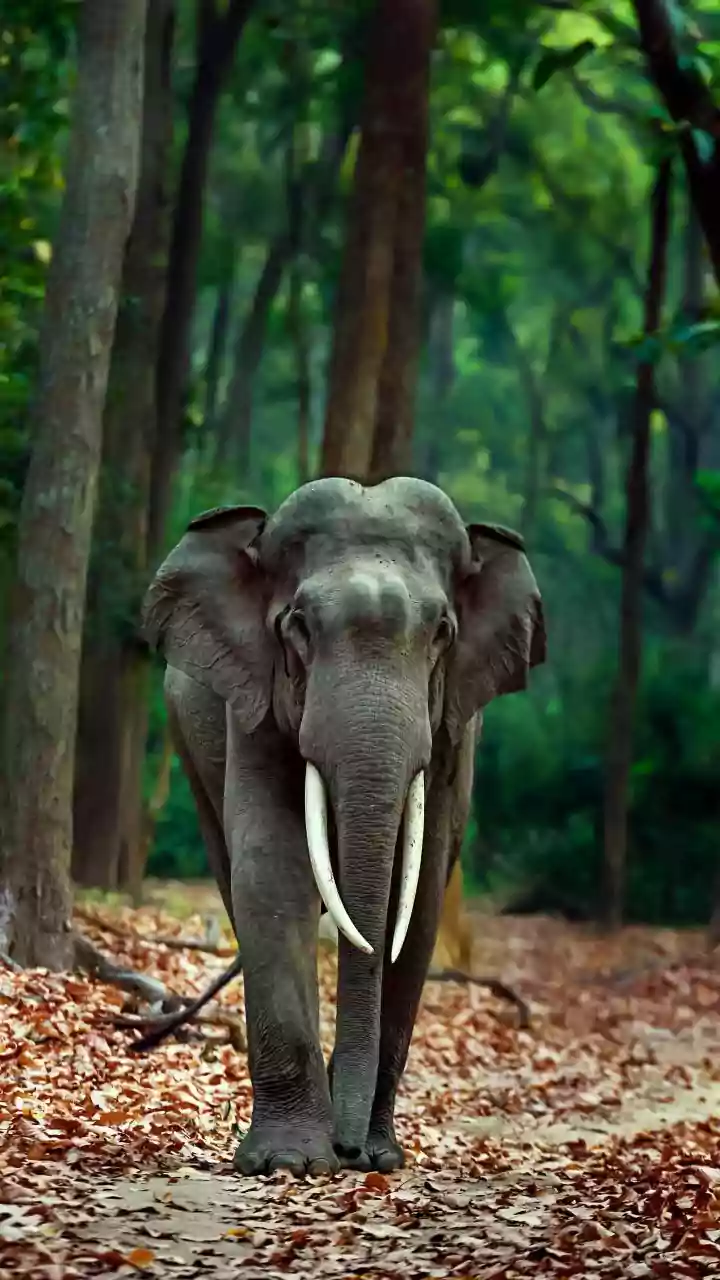
Nestled in the Western Ghats, Periyar National Park is one of the few that remains open year-round and truly thrives during the monsoon. The park, centered around a vast lake, becomes a lush paradise. August is an excellent time for boat safaris, where you can spot herds of elephants playing by the water's edge, sambar deer, and a variety of birds like kingfishers and the great Malabar hornbill. The rains breathe new life into the dense forests, making it a spectacular sight for nature lovers and photographers. The humid, misty conditions create an enchanting atmosphere unlike any other season.
Ranthambore National Park, Rajasthan
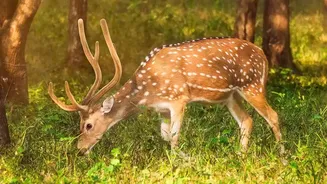
While Ranthambore is famous for its dry-season tiger sightings, the monsoon offers a different kind of charm. Certain zones of the park (typically zones 6 through 10) remain open for visitors in August. The arid landscape transforms into a vibrant green canvas, and the ancient Ranthambore Fort looming over the forest looks even more dramatic against cloudy skies. While tiger sightings might be less frequent due to the dense vegetation, they are still possible as the rain washes away scent markings, forcing them to patrol their territories more actively. You can also spot leopards, marsh crocodiles, and various deer species.
Jim Corbett National Park, Uttarakhand
India's oldest national park, Jim Corbett, keeps some of its gates open during the monsoon, including the Jhirna and Dhela zones. These buffer areas are less crowded and offer a serene experience. The landscape becomes incredibly lush, and the Ramganga river flows with renewed vigour. August is a fantastic time for birdwatching and enjoying the verdant scenery. While the premier Dhikala and Bijrani core zones are closed, the open zones still provide opportunities to see elephants, deer, and wild boars against a backdrop of rain-washed forests.
Jhalana Leopard Reserve, Rajasthan
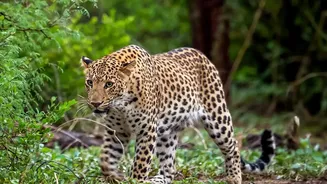
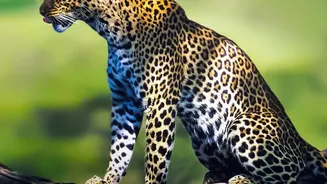
For a near-guaranteed big cat sighting, look no further than Jhalana Leopard Reserve in Jaipur. This unique urban sanctuary remains open 365 days a year and boasts one of the highest leopard densities in India. August is a great time to visit; the rocky Aravalli terrain is rejuvenated by the rain, and the leopards are often seen resting on cool, damp rocks. Because the reserve is compact and the animals are accustomed to vehicles, sightings are frequent even during the day. It's an easy addition to a Jaipur itinerary and offers a thrilling wildlife experience without venturing deep into the wilderness.
Tadoba-Andhari Tiger Reserve, Maharashtra
Known for its high tiger density, Tadoba keeps its buffer zones open for safaris during the monsoon. This makes it a prime destination for enthusiasts hoping for a tiger sighting even in the rainy season. The forest's bamboo thickets become a brilliant green, providing a stunning backdrop for wildlife photography. Besides tigers, visitors can spot sloth bears, wild dogs (dholes), and a rich variety of birdlife. The monsoon changes animal movement patterns, offering a fresh perspective on this popular reserve.