





A New Space Age for India
For decades, a career in India's space sector meant one thing: securing a coveted position at the Indian Space Research Organisation (ISRO). But a seismic shift is underway. Historic reforms, including the Indian Space Policy of 2023, have opened the floodgates
for private enterprise. This has sparked a boom, with the number of space start-ups soaring from just a handful to over 400 by 2026. These companies are now building everything from launch vehicles and satellites to complex data analytics platforms. This policy shift was designed to grow India's share of the global space economy from around 2% to a projected $44 billion by 2033. Achieving this ambitious goal requires a massive expansion of the workforce, creating a new frontier for talent across the country.
ISRO's Evolving Mission
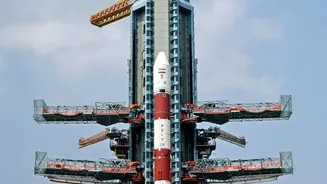
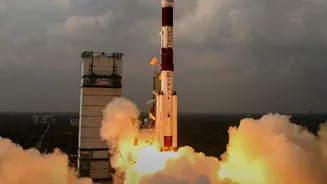
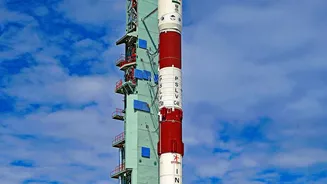
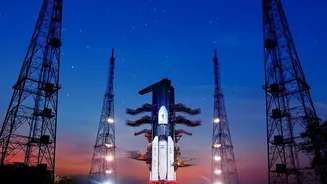
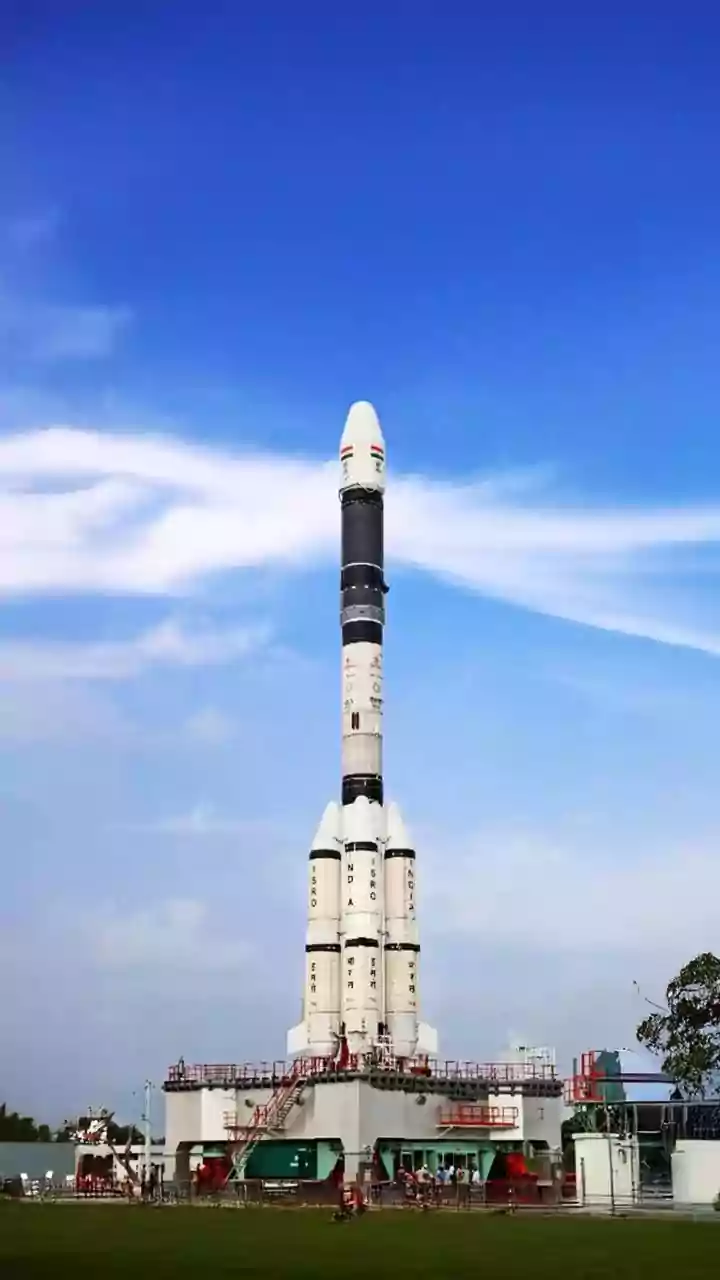
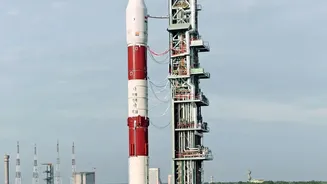
The rise of the private sector doesn't mean ISRO is taking a backseat. Instead, its role is evolving. The agency is transitioning from being the sole operator to becoming the anchor of a larger national ecosystem. While private firms and public sector units are being encouraged to take over mature technologies like the manufacturing of PSLV rockets, ISRO is focusing its formidable expertise on next-generation challenges. This includes pioneering projects like the Gaganyaan human spaceflight mission, deep-space exploration, and advanced research and development. IN-SPACe, a new nodal agency, facilitates this collaboration, acting as a single-window interface between ISRO and the private players, enabling technology transfer and access to testing facilities.
The In-Demand Skillsets
The modern space industry needs much more than just aerospace engineers. While that remains a core discipline, the fastest-growing opportunities are at the intersection of different fields. Software is at the heart of everything, creating immense demand for aerospace software engineers with skills in C++, Python, and embedded systems to develop flight controls and mission software. Another booming area is data. Satellite data analysts and remote sensing specialists are needed to interpret the vast amounts of information beamed down from orbit for applications in agriculture, climate monitoring, and urban planning. The industry is also actively hiring professionals in robotics, AI, materials science, electronics, and even non-technical roles like space law and policy analysis.
Where the Jobs Are: Start-ups and Beyond
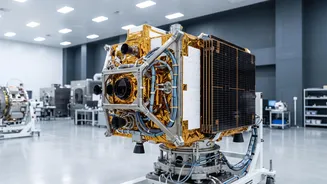
The new jobs are clustering in dynamic start-up hubs across cities like Bengaluru, Hyderabad, and Chennai. Companies like Skyroot Aerospace, which successfully launched India's first privately developed rocket, and Agnikul Cosmos, are focused on launch vehicles. Others like Pixxel are building constellations of hyperspectral imaging satellites, while Dhruva Space specializes in satellite platforms. These firms are hiring aggressively for roles in propulsion, avionics, and mission control. It's not just for fresh graduates; experienced engineers from adjacent sectors like automotive and software are highly sought after for their expertise in manufacturing, testing, and data pipelines. This diverse ecosystem means there are now multiple pathways into the space sector, far beyond the traditional ISRO entrance exams.