


The Monsoon Gut Challenge
While the rains are a welcome respite from summer heat, they create an environment where microbes thrive. The increased humidity can slow down our digestive fire, or 'agni' as Ayurveda calls it, making it harder to process meals. This sluggishness, combined
with a higher risk of food and water contamination, puts our digestive system under stress and can weaken our immunity. This is why issues like bloating, indigestion, and stomach infections become more common during this season. Since a large part of our immune system resides in our gut, keeping it healthy is the first line of defense against seasonal illnesses.
Fermentation to the Rescue
This is where fermented foods come in as a time-tested remedy. The process of fermentation enriches food with probiotics, which are live, beneficial bacteria. These 'good' microbes help restore balance to our gut flora, crowding out harmful bacteria and supporting a healthy digestive tract. A balanced gut microbiome is essential for efficient digestion, better nutrient absorption, and a robust immune response. By incorporating these foods, you're essentially sending reinforcements to help your gut manage the challenges of the monsoon.
The Everyday Hero: Curd (Dahi)
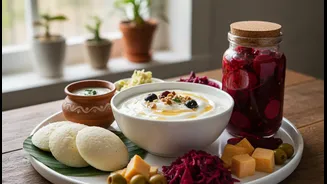
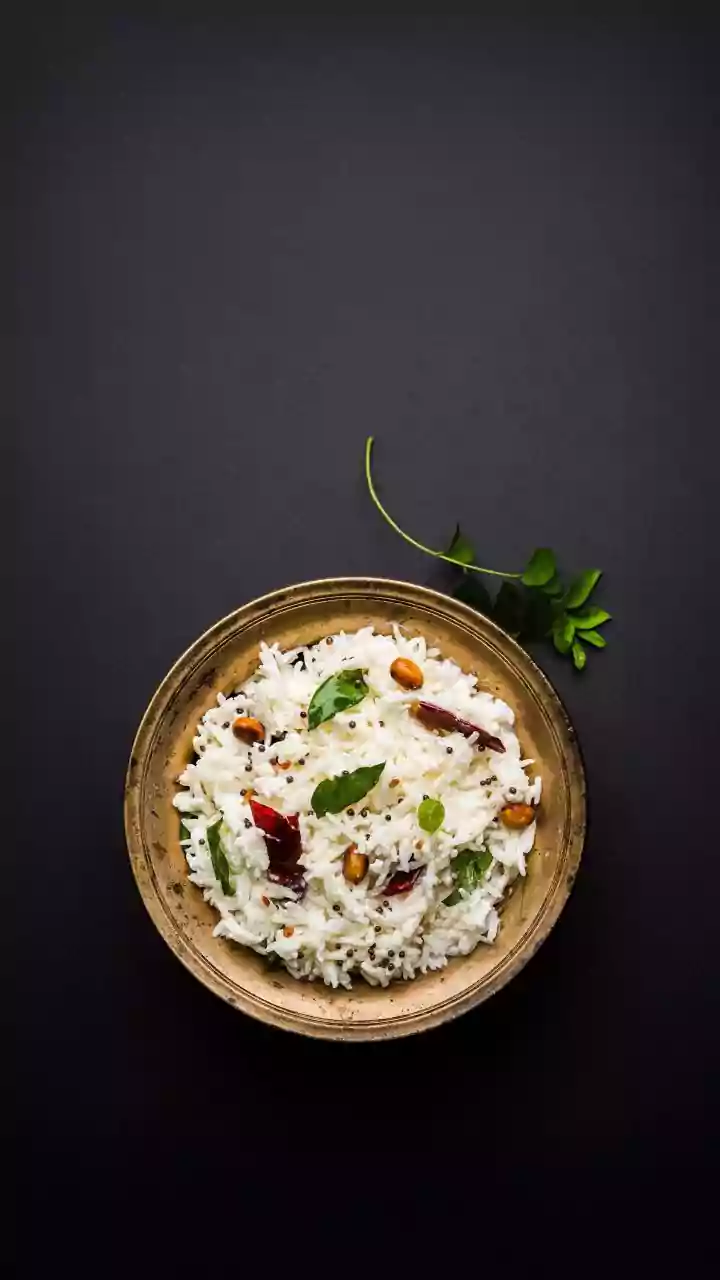
The most accessible and widely consumed probiotic in India is curd, or dahi. A staple in most households, fresh homemade curd is packed with live bacterial cultures like Lactobacillus that aid digestion and soothe the stomach. It's a simple yet powerful way to support your gut daily. Nutritionists recommend having it with meals to enhance digestion and nutrient absorption. You can also enjoy it as buttermilk (chaas), a lighter, spiced version that is particularly easy to digest and incredibly refreshing during humid weather.
Beyond Curd: Exploring Regional Ferments
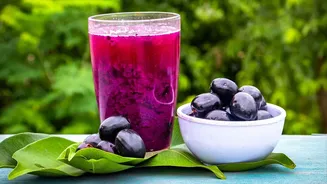
Indian cuisine is rich with a diverse array of fermented delights that go far beyond curd. South Indian staples like idli and dosa are made from a fermented batter of rice and lentils, making them light, nutritious, and easy on the stomach. In Gujarat, the fluffy dhokla is made from a fermented mix of rice and chickpea flour. Another fantastic option is Kanji, a tangy North Indian drink made by fermenting black carrots or beetroot with mustard seeds. Even traditional, naturally fermented pickles (achaar), consumed in moderation, can be a good source of probiotics.
Ancient Wisdom Meets Modern Science
The advice to eat fermented foods during the monsoon isn't new; it's ancient wisdom that is now being validated by modern science. For generations, Indian grandmothers have advocated for including these foods in daily meals, intuitively understanding their benefits for digestion and health. Today, studies confirm that these traditional preparations can modulate gut microbiota, enhance immunity, and even improve overall metabolic health. This resurgence in popularity is a recognition that our culinary heritage holds powerful, natural solutions for seasonal wellness.
How to Consume Them Smartly
To get the most benefit, a few simple rules apply. Prioritize fresh, preferably homemade, fermented foods to ensure the bacterial cultures are live and to avoid contamination. While tempting, it's best to avoid street food, including raw chutneys or juices, as hygiene can be a concern during the rains. Listen to your body; while these foods are beneficial, overconsumption can cause discomfort for some. The goal is to include them as a regular part of a balanced diet that also features light, well-cooked meals and plenty of clean, boiled or filtered water.