






The 'No PUC, No Fuel' Rule Explained
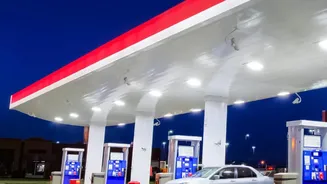
As part of its annual winter action plan to combat severe air pollution, the government has mandated that all fuel stations in Delhi and surrounding NCR districts must refuse to sell petrol, diesel, or CNG to vehicles that do not possess a valid PUC certificate.
This rule, which is being enforced more strictly from October 1, 2026, is not new but its implementation has been intensified across the entire region, including NCR districts in Uttar Pradesh and Haryana. To facilitate this, around 500 fuel stations in Delhi have been equipped with Automatic Number Plate Recognition (ANPR) cameras that automatically check a vehicle's PUC status against the central Parivahan database as it enters the station. If the certificate is expired or invalid, the system flags the vehicle, and the pump operator is instructed to deny fuel.
Why This Is Happening Now
The enforcement of this rule is a critical component of the Graded Response Action Plan (GRAP), a set of emergency measures that kick in to control air pollution during the winter months. Vehicular emissions are a major contributor to the toxic smog that blankets Delhi-NCR from October to January. By linking fuel access directly to emission compliance, authorities aim to ensure that only vehicles meeting the prescribed pollution standards are on the road. The Commission for Air Quality Management (CAQM), which oversees pollution control in the region, has directed all states in the NCR to ensure strict compliance to significantly cut down on pollution from the transport sector ahead of the peak pollution season.
What is a PUC Certificate?
A Pollution Under Control (PUC) certificate is a mandatory document which certifies that a vehicle's emissions are within the government-stipulated limits. Under the Central Motor Vehicles Rules, 1989, every vehicle must carry a valid PUC certificate. For new petrol or diesel cars, the first certificate provided by the dealer is valid for one year. After that, it needs to be renewed. For vehicles compliant with BS-IV or BS-VI emission standards, the certificate is valid for 12 months. For older vehicles, the validity is typically shorter, often six months. The document includes details like your vehicle registration number, the date of the test, and the specific emission readings.
How to Get or Renew Your Certificate
Getting a PUC test is a straightforward and inexpensive process. There are over 900 authorised emission testing centres across Delhi, many of which are conveniently located at petrol pumps and authorised workshops. To get a test, you simply drive your vehicle to one of these centres. A technician will insert a probe into the exhaust pipe to measure the levels of pollutants like carbon monoxide and hydrocarbons. If your vehicle's emissions are within the legal limits, you will be issued a new certificate on the spot. The cost is nominal, generally ranging from ₹60 to ₹100, depending on the vehicle type. While the test must be done offline, you can download a digital copy of your valid certificate from the official Parivahan Sewa website.
Penalties for Non-Compliance
Beyond being denied fuel, driving without a valid PUC certificate can lead to significant financial penalties. Under the amended Motor Vehicles Act, vehicle owners caught without a valid certificate can be fined up to ₹10,000. In some cases, it could also lead to imprisonment for up to three months or suspension of the driving licence. With the new automated ANPR camera systems at fuel pumps and increased on-road enforcement, the chances of being caught for non-compliance are higher than ever. It's also important to note that a valid PUC certificate is now mandatory for renewing your vehicle's insurance policy.