





Rethink Your Watering Schedule
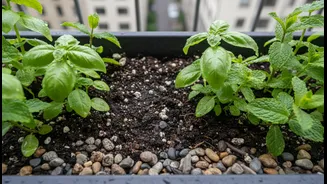
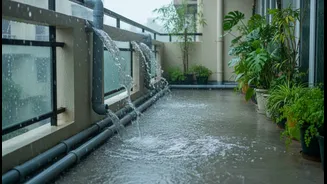
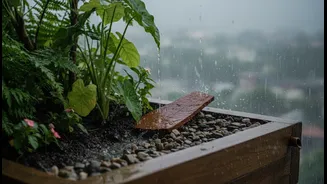
The most significant change from summer to monsoon care is watering. During summer, daily watering is often necessary. In the rainy season, however, overwatering is the biggest threat to your plants. The combination of rainfall and high humidity means
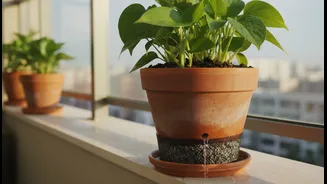
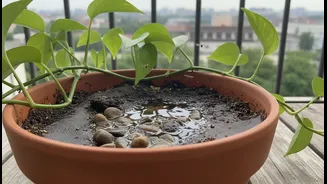
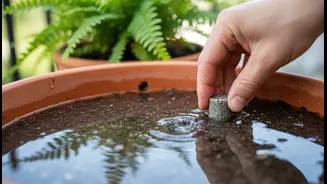
the soil stays wet for much longer. Sticking to a summer schedule can lead to waterlogged soil, which suffocates roots and causes root rot. Before you water, always check the soil. A simple finger test is effective: if the top inch of soil feels moist, wait another day or two before watering. For potted plants, ensure trays and saucers are emptied after rain to prevent them from sitting in stagnant water.
Prioritise Drainage Above All
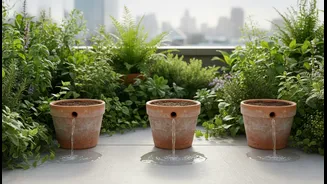
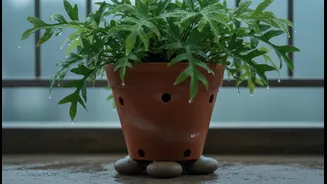
Excellent drainage becomes non-negotiable during the monsoon. In summer, water retention can be a benefit, but in the rains, it's a liability. Ensure every pot has clear drainage holes. If you notice water pooling, it might be time to gently clear blocked holes or even repot the plant in a better-draining soil mix. You can improve soil structure by adding materials like sand or cocopeat. A simple but effective trick is to elevate your pots using bricks or dedicated pot feet. This small gap allows excess water to escape freely and increases airflow around the base, which is crucial for preventing root decay.
Combat Pests and Fungal Diseases
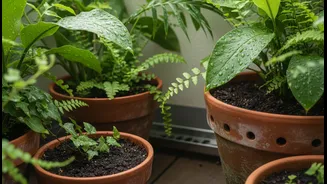
The warm, humid, and damp conditions of the monsoon create a perfect breeding ground for pests and fungal diseases. Issues like powdery mildew, leaf spot, and root rot become much more common. Regular inspection is your best defense. Check under leaves and around stems for signs of trouble. Good air circulation is key to prevention, so avoid overcrowding your plants. Pruning can also help by improving airflow. Regularly remove any dead or yellowing leaves, as this decaying matter can attract fungi. A preventative spray of neem oil every week or two can also help keep many common pests and fungal issues at bay.
Adjust Your Fertilising Plan
Plants have different nutritional needs during the monsoon compared to the summer growth spurt. Heavy rains can wash away essential nutrients from the soil, especially in potted plants. However, this doesn't mean you should fertilise more aggressively. Many plants grow slower in the cloudy, humid weather, and applying too much fertiliser to wet soil can lead to root burn. It's best to reduce the frequency of fertilising. When you do feed your plants, consider using a slow-release organic fertiliser or a diluted liquid feed during a dry spell between rains.
Prune for Health and Provide Support
Pruning in the monsoon is less about shaping and more about health. Trim away any dense or overgrown branches to improve air circulation throughout the plant, which helps prevent fungal infections. Also, remove any leaves or stems that have been damaged by heavy rain or wind. For taller or more delicate plants, strong monsoon winds can be a major threat. Provide support by using stakes to prevent stems from snapping. This simple step can save your plants from significant damage during a storm.
Maximise Limited Sunlight
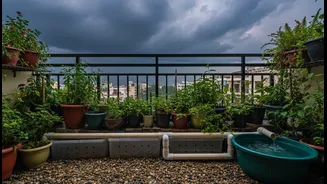
Overcast skies are the norm during the rainy season, meaning your plants receive significantly less sunlight than in the summer. This can lead to slow, leggy growth. To compensate, move your potted plants to the brightest possible location, such as a west-facing balcony or a window that gets ample indirect light. Rotating your plants every few days can also help ensure all sides get some light exposure, promoting more even growth. For indoor plants, cleaning your windows can make a surprising difference in how much light gets through on a cloudy day.